

The Ritual of the Roast
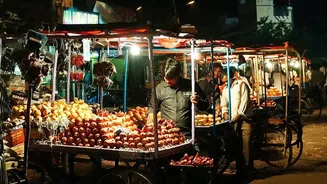
As the sky turns a brooding grey, roadside vendors, affectionately known as 'bhuttawallahs', appear as if summoned by the clouds themselves. They set up their humble stalls, often just a cart equipped with a small, portable coal furnace. The ritual is
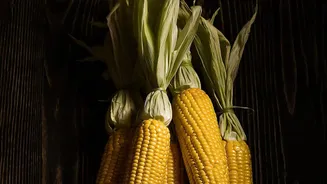
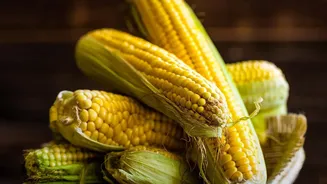
a mesmerising dance of simplicity. With a hand-held fan, they coax the charcoal embers to a glowing, fiery red. Then, the corn cobs, stripped of their green husks, are placed on the grill. The vendor’s hands, weathered and expert, turn the cobs with a practiced rhythm. The air fills with a uniquely comforting, smoky aroma as the kernels pop and char, their natural sweetness intensifying with the heat. It’s a sight and smell that promises warmth and comfort against the impending downpour.
A Symphony of Flavours
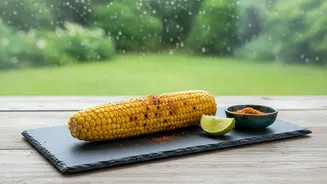
The true magic of the bhutta happens after it leaves the fire. The roasted cob, blackened in spots and steaming, is taken and given its flavourful identity. The vendor grabs a half-cut lemon, dips it generously into a spicy, salty mixture—typically a blend of red chilli powder, chaat masala, and black salt—and rubs it vigorously all over the hot kernels. This act infuses every bite with a complex layering of tastes: the smokiness from the charcoal, the inherent sweetness of the corn, the sharp tang of the lime, the heat from the chilli, and the savoury punch of the salt. It’s a multi-sensory explosion that is both rustic and perfectly balanced, a culinary experience that sophisticated kitchens struggle to replicate.
More Than Just a Snack
To call bhutta just a snack is to miss the point entirely. It is a vessel for nostalgia. For countless Indians, the taste is inextricably linked to childhood memories: of huddling under a shop awning with family, of sharing a cob with friends on the way home from school, or of stopping the car on a long drive just at the sight of a bhutta stall. It represents a simple pleasure, an affordable treat that cuts across all demographics. In a world of increasingly complex and often fried street foods, the bhutta stands out as a relatively healthy option. It’s roasted, not fried, packed with fibre, and served hot, reducing the risk of water-borne ailments common during the monsoon.
An Enduring Classic in a Changing World
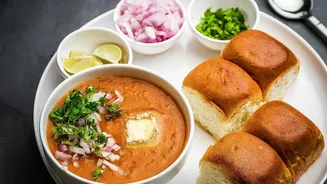
The landscape of Indian street food is in constant flux, with new trends and fusion foods appearing every season. Yet, the humble bhutta endures. While it competes with momos, bread pakoras, and pav bhaji, it holds a unique, almost sacred space. It is the official curtain-raiser for the season's culinary delights. While corn itself arrived in India from the Americas centuries ago, this preparation is quintessentially Indian. Today, you might find variations like boiled corn in a cup with various toppings, but the classic charcoal-roasted version remains the undisputed king. Its persistence is a testament to the idea that some things don’t need reinvention. The raw, natural, and elemental appeal of a fire-roasted corn on the cob is timeless.