




Let Go of the 'All-or-Nothing' Mindset
The old approach to festive eating was often a black-and-white affair: you either stuck to your diet rigidly or abandoned it completely. This 'all-or-nothing' thinking often backfires, leading to feelings of failure and subsequent overeating. The modern
approach is about ditching this restrictive mindset. Experts now emphasize that a healthy lifestyle is defined by consistent habits over time, not by a few celebratory meals. Enjoying your favourite festive dishes is not a moral failing; it's a part of life's celebrations. Giving yourself permission to partake without judgement can actually reduce stress and prevent the urge to binge.
Embrace Mindful Indulgence
Instead of mindlessly grazing, the new focus is on mindful eating. This means being fully present and savouring each bite, paying attention to the flavours, textures, and aromas. Eating slowly gives your brain time to receive satiety cues from your stomach, helping you recognise when you are satisfied, not stuffed. When you truly enjoy a smaller portion of something rich and decadent, the experience can be more fulfilling than a larger amount eaten in a rush. Prioritise the treats you truly love and look forward to, rather than eating something just because it's there. This intentional approach increases pleasure and helps prevent overconsumption.
Plan for Balance, Not Deprivation
A key strategy is to plan for balance throughout the day. Skipping meals to 'save calories' for a big festive dinner is a common mistake that often leads to arriving ravenous and overeating. Nutritionists advise eating regular, balanced meals earlier in the day, including breakfast and lunch. A small, nutrient-dense snack containing protein or fibre before a party can help manage hunger, allowing you to make more deliberate choices at the buffet. Also, remember to stay hydrated. Sometimes the body mistakes thirst for hunger, so drinking water throughout the day can help manage cravings and aid digestion.
The Art of the Balanced Plate
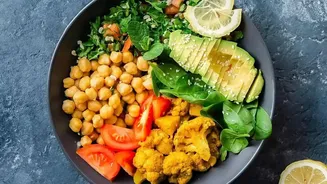
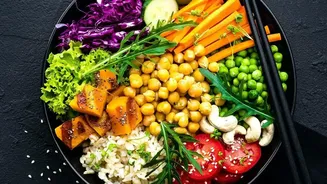
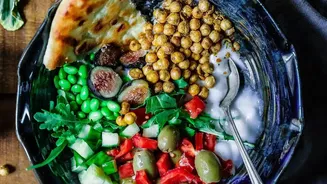
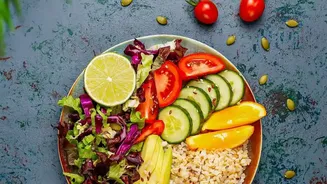
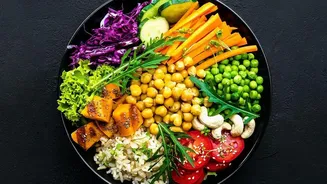
When you do fill your plate, think in terms of proportions. A simple guideline is the 'plate method': aim to fill half your plate with colourful, non-starchy vegetables or salad. These are high in fibre and nutrients, helping you feel full. Dedicate one-quarter of the plate to a lean protein source (like turkey, fish, or lentils) and the remaining quarter to complex carbohydrates (such as whole grains or root vegetables). This ensures you get a nutrient-dense meal, allowing you to enjoy smaller portions of richer side dishes without feeling deprived.
Smart Swaps Without Sacrificing Flavour
You can also embrace healthier preparation methods and ingredient swaps that don't compromise on taste. Roasting or baking instead of deep-frying can significantly reduce fat content. In baking, you can often substitute some of the butter or oil with applesauce, pumpkin puree, or mashed bananas to add moisture, fibre, and nutrients while cutting down on saturated fat. Using plain Greek yogurt instead of sour cream or mayonnaise in dips and dressings is another popular swap that boosts protein. Even reducing the sugar in a recipe by a third and adding spices like cinnamon or vanilla can deliver that sweet flavour you crave.