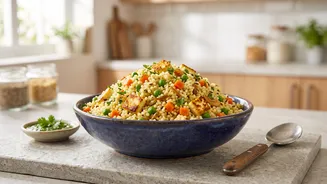



The humble idli is getting a healthy makeover. As more people rediscover ancient grains, foxtail millet is replacing rice in this breakfast staple. But is it a worthy swap? Here’s everything you need to know before you change your batter.
Meet Foxtail Millet
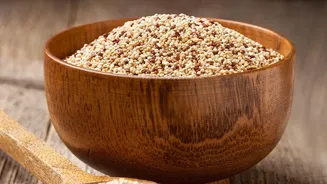
Foxtail millet,
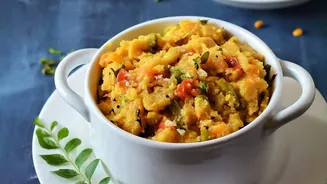
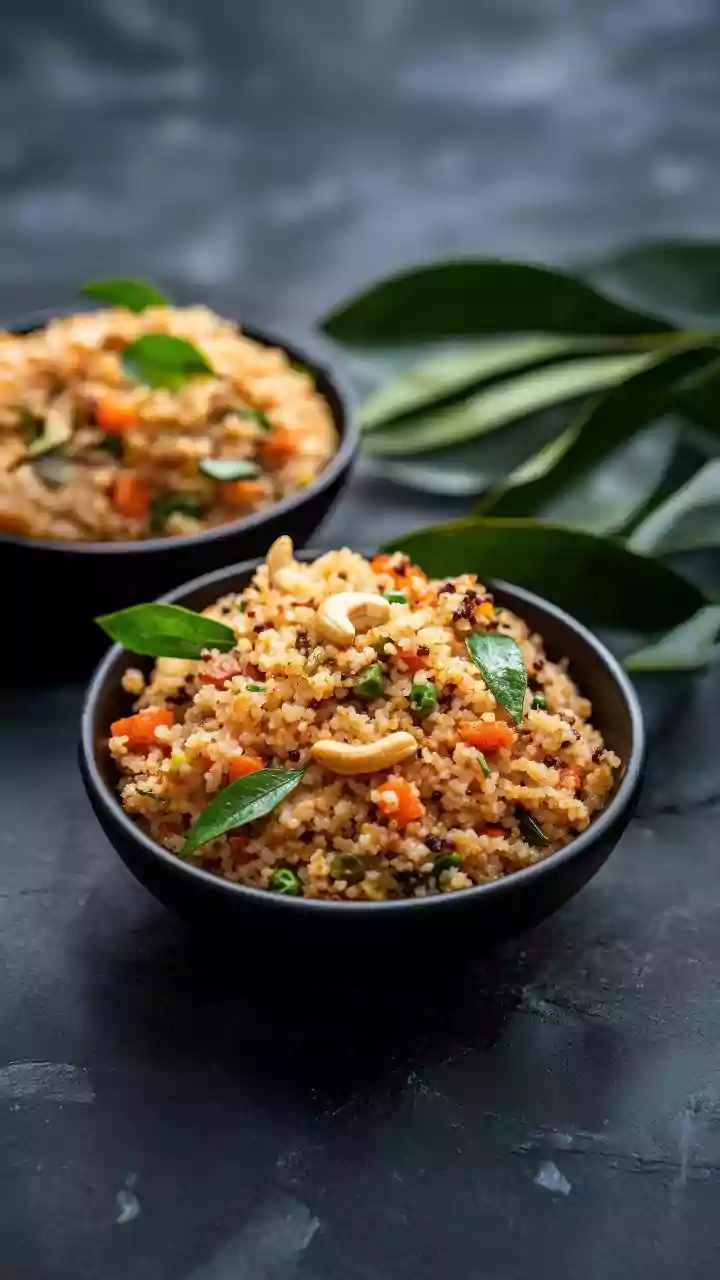
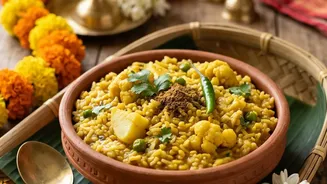
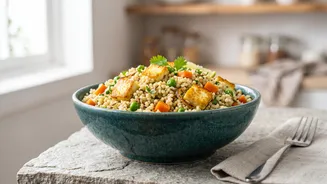
known as 'thinai' in Tamil, 'kangni' in Hindi, and 'korralu' in Telugu, is a small, gluten-free ancient grain that has been a staple in India for centuries. With a mild, slightly nutty flavour, it's often considered the easiest millet for beginners to adopt because its taste is the closest to rice among all millets. Its resurgence in modern Indian kitchens is driven by a growing awareness of its impressive health benefits and its versatility in traditional recipes, from upma and khichdi to, most popularly, idlis and dosas.
The Nutritional Edge Over Rice
The primary motivation for switching to foxtail millet idli is its superior nutritional profile compared to white rice. It boasts nearly double the protein and significantly more dietary fibre. This high fibre content aids digestion, promotes a feeling of fullness for longer, and helps in weight management. Furthermore, foxtail millet is a powerhouse of essential minerals, containing more calcium, iron, magnesium, and potassium than polished white rice. For those managing blood sugar, its low glycemic index (around 50-54) is a major advantage, as it causes a slower, more gradual rise in blood sugar levels instead of the sharp spike associated with rice.
Making the Idli: Batter and Fermentation
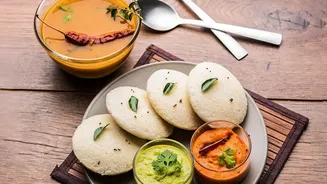
Preparing foxtail millet idli batter is similar to the traditional process, but with a few key adjustments. The most common ratio is 4 parts foxtail millet to 1 part urad dal, though some recipes use a 2:1 ratio. The millet and dal should be washed and soaked separately for about 4 to 5 hours. Many recipes also include a teaspoon of fenugreek (methi) seeds soaked with the urad dal to aid fermentation and add softness. After soaking, the urad dal is ground to a light, fluffy paste. The millet is ground separately, often to a slightly coarser texture than the dal. The two batters are then combined with salt and left to ferment in a warm spot for 8 to 12 hours, or until it has risen and become airy.
Taste, Texture, and Getting It Right
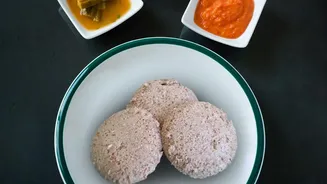
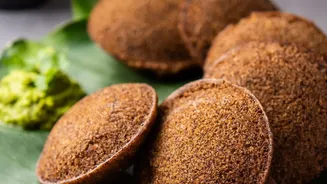
While many find the taste difference minimal, you should expect a slightly denser and chewier idli compared to one made with rice. The colour will also be a little off-white or beige rather than pure white. Achieving the perfect soft, fluffy texture can be a matter of trial and error. Some proven tips include using a wet grinder for a fluffier batter, ensuring the batter is well fermented, and not oversteaming the idlis. Steaming for 10–15 minutes is usually sufficient. Some cooks also add a small amount of poha (flattened rice) or even a little cooked rice to the batter to improve the softness and aid fermentation.
Are There Any Downsides?
While overwhelmingly healthy, millets are not without a few considerations. They contain antinutrients like phytic acid, which can bind to minerals like iron and zinc and reduce their absorption. However, the traditional Indian methods of soaking, fermenting, and cooking largely mitigate this issue, making the nutrients more bioavailable. Some people might experience bloating or gas when first introducing high–fibre millets into their diet, so it's wise to start with smaller quantities. Additionally, certain millets contain goitrogens, compounds that can interfere with thyroid function if consumed in very large amounts by individuals with an existing thyroid condition and inadequate iodine intake. For most people, consuming millets as part of a balanced diet is perfectly safe and beneficial.