


Why October is a Special Month
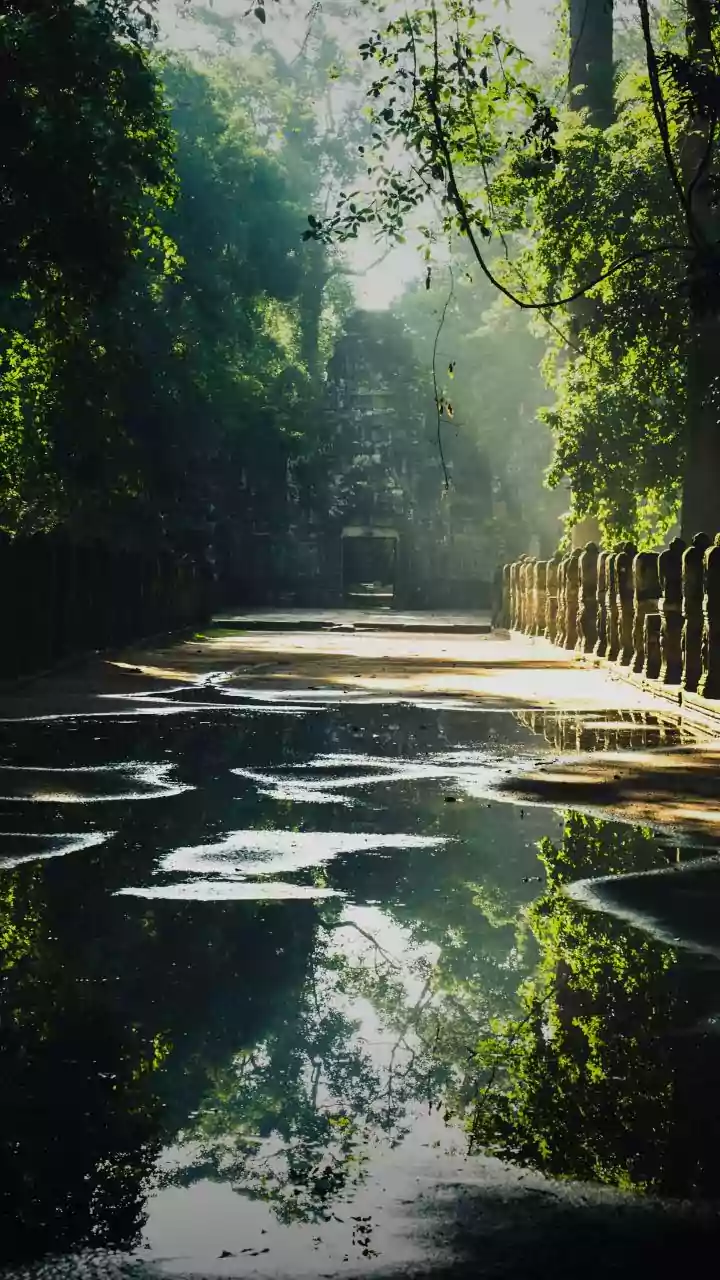
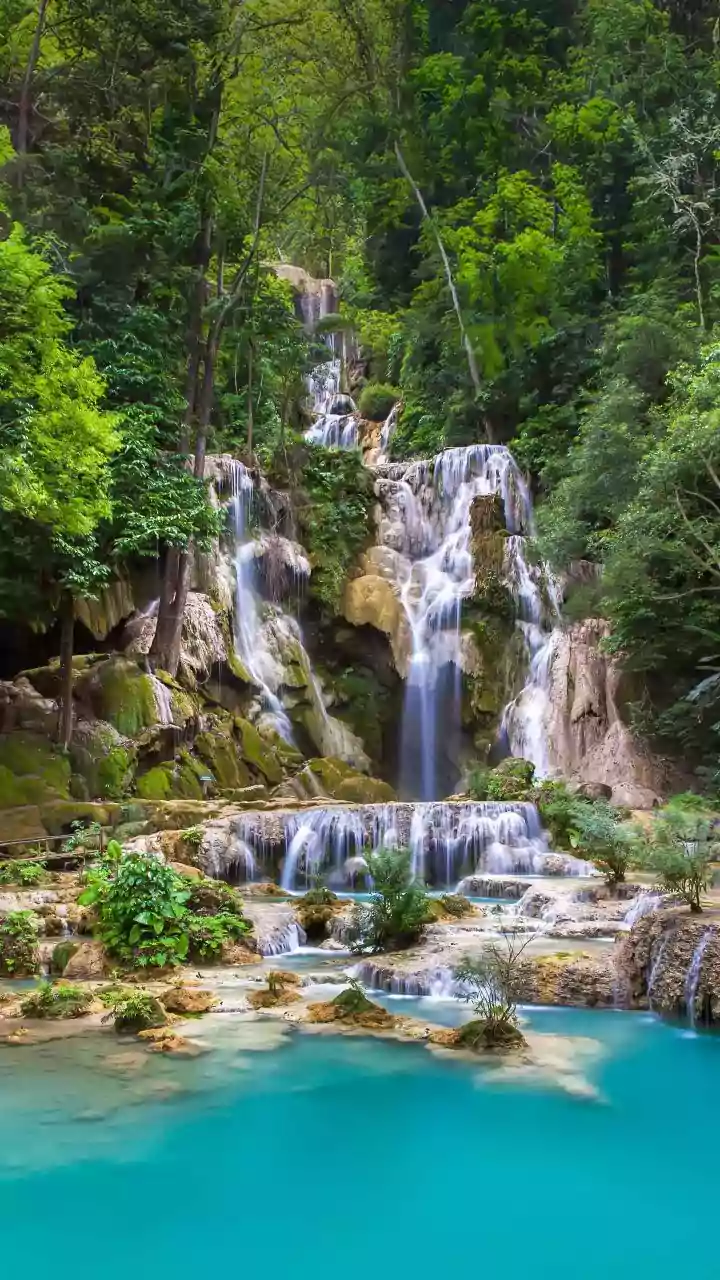
October is a transitional month that combines pleasant weather with stunning post-monsoon landscapes. The heavy rains from July to September rejuvenate the forests, leaving them emerald green and teeming with life. Temperatures are comfortable, generally
ranging from 15°C to 30°C across major parks, making for pleasant safari drives. Unlike the peak heat of summer, animals are more active throughout the day. Furthermore, since the peak tourist season typically begins in November, October often means fewer crowds, allowing for a more serene experience in the wild. The lush vegetation and full water bodies also create incredible backdrops for photography. October is also an excellent month for birdwatching, as many migratory species begin to arrive.
Top Parks Reopening in October
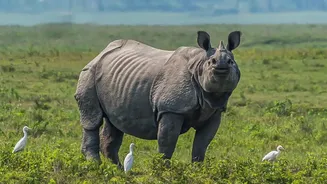
Most of India's premier national parks, which close during the monsoon for safety and to allow the ecosystem to regenerate, begin reopening their gates in October. In Rajasthan, Ranthambore National Park is famous for its tigers and opens on October 1st. In Madhya Pradesh, the heart of tiger country, Kanha National Park also reopens on October 1, while Bandhavgarh and Pench typically welcome visitors from mid-October. Uttarakhand's Jim Corbett National Park, India's oldest, partially reopens some zones like Jhirna and Bijrani in mid-October, though its core Dhikala zone opens later. In Assam, Kaziranga National Park, a UNESCO World Heritage site known for its one-horned rhinoceroses, also opens its gates.
Booking Safaris and Accommodation
Given that October is the start of the safari season, it is crucial to plan and book in advance. Safari permits, especially for popular zones in high-density parks like Bandhavgarh's Tala zone or Ranthambore's zones 2, 3, and 4, sell out quickly. Permits can often be booked online 120 days in advance through the respective state's forest department portals. Booking well ahead ensures you get your preferred dates and safari timings (morning and evening safaris are recommended for better sighting chances). Similarly, accommodation near the park gates should be secured early. Choosing a lodge close to your designated safari gate minimizes travel time, which is important for early morning departures.
What to Pack for an October Safari
Layering is key for an October safari. Early morning drives in an open jeep can be quite cool, so a light jacket, fleece, or windbreaker is essential. As the day warms up, you can shed layers for comfort. Pack lightweight, breathable clothing in neutral, earthy tones like khaki, olive, and brown to blend in with the surroundings. Bright colours should be avoided. Comfortable, closed-toe shoes are a must. Don't forget essentials like sunscreen, a wide-brimmed hat, and sunglasses for protection against the sun. A scarf or bandana is useful to guard against dust. Since there can be occasional post-monsoon showers, a light rain jacket or poncho can be a lifesaver.
Essential Gear and On-Safari Etiquette
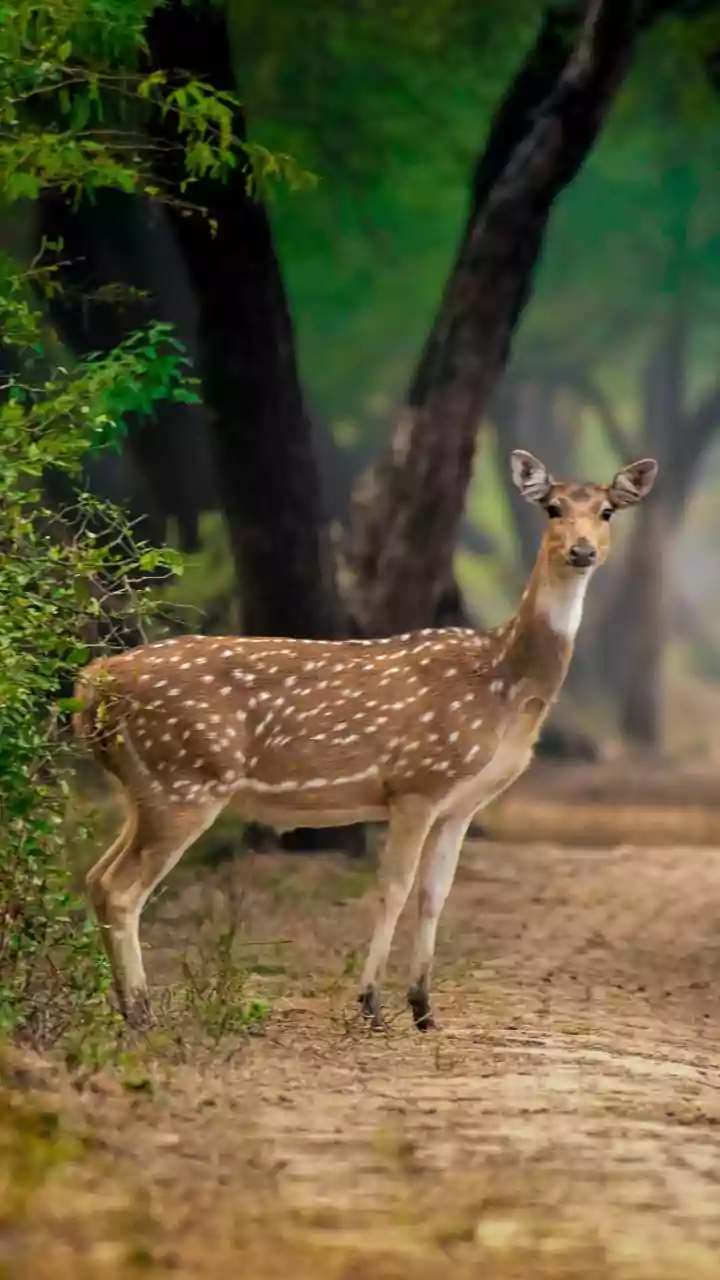
To make the most of your wildlife sightings, a good pair of binoculars is non-negotiable. For photographers, a camera with a zoom lens (100-400mm is a good range) is ideal, along with spare batteries and memory cards. Remember to always follow your guide's instructions and respect the wildlife. Maintain silence, do not use flash photography, and never pressure your driver to get too close to animals. The goal is to observe them in their natural habitat without causing disturbance. While tiger sightings are a major draw, it's rewarding to appreciate the entire ecosystem, from the alarm calls of deer to the diverse birdlife and the beautiful landscapes.