






For years, India’s economic narrative was dominated by its megacities. But a quiet revolution is underway in its secondary urban centres, where new flyovers, metro lines, and airports are doing more than just easing traffic. They are rewriting the script
on how people live, work, and, most importantly, spend.
The Connectivity Engine
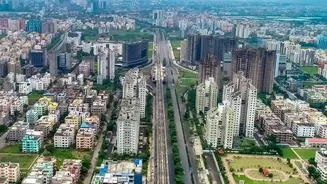
The most visible driver of change is new and improved infrastructure. Government investment in highways, regional airports, and urban transit systems is dramatically shrinking distances and unlocking economic potential. Projects like new metro lines in cities such as Jaipur and Nagpur, or better highway connectivity to the National Capital Region for cities like Jaipur, make it easier for people to access commercial hubs, workplaces, and retail centres. This enhanced mobility doesn't just save time; it fundamentally changes consumer behaviour. When a once-distant market becomes a 20-minute metro ride away, the frequency and volume of shopping trips naturally increase. This improved connectivity makes previously isolated areas more attractive for both residents and businesses, creating a positive feedback loop of growth.
Rising Incomes and Real Estate Values
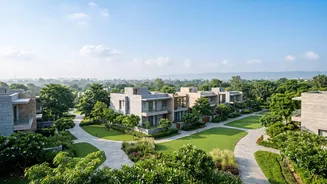
Infrastructure projects are major employers, creating jobs and injecting capital into local economies. But the economic impact goes deeper. As connectivity improves, property values in surrounding areas tend to rise. Reports show that residential prices in 11 emerging Tier-2 markets, including Lucknow, Jaipur, and Coimbatore, rose by 63% between 2021 and 2026, significantly outpacing the 42% growth in India's top eight cities. This increase in property value creates a wealth effect for homeowners, giving them the confidence and financial leverage to spend more. With more disposable income and rising asset values, a new middle class is emerging with a greater appetite for aspirational goods and services.
The Influx of Organized Retail
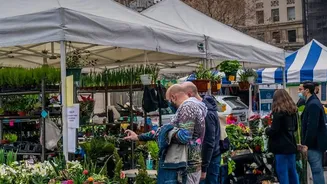
Where infrastructure leads, retail follows. Recognizing the untapped potential, national and international brands are aggressively expanding their footprint in Tier-2 cities. Cities like Lucknow and Chandigarh are becoming hotspots for major brands, sometimes even outperforming larger metros in certain metrics. Lucknow, for instance, is home to 112 international brands, while Mangaluru has become the most brand-dense Tier-2 market. This has been enabled by the development of modern, large-scale malls and mixed-use properties designed for the social shopping habits of regional communities. Consumers in cities like Indore and Jaipur no longer need to travel to a metro for premium shopping experiences; the brands are coming to them.
A Shift in Aspirations and Lifestyles
The transformation is not just economic; it's also psychological. Better infrastructure often brings with it improved digital connectivity, which fuels e_commerce and exposes consumers to global trends. As a result, aspirations are rising. There's a growing demand not just for products, but for lifestyles. People are spending more on experiences like dining out, entertainment, and travel. This is reflected in weekend spending patterns, which can be several times higher than on weekdays in cities like Jaipur and Surat, indicating a shift towards leisure_based consumption. The availability of better jobs and a higher quality of life, with shorter commutes and more affordable living, is also encouraging skilled professionals to stay in their hometowns, further strengthening the local consumption engine.