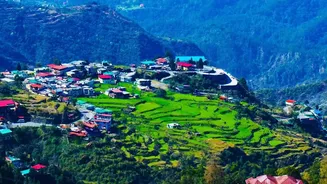






In the misty hills of Kumaon, a beautiful tradition colours the thresholds of homes. Aipan, an ancient folk art of Uttarakhand, is more than just decoration; it’s a prayer, a blessing, and now, a vital lifeline for rural families.
The Soul of Kumaon in Red and White
Aipan is a ritualistic
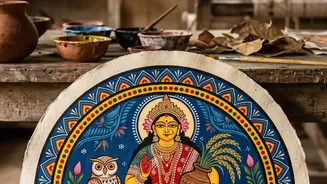
folk art native to the Kumaon region of Uttarakhand, traditionally painted by women to mark auspicious occasions. Its striking aesthetic comes from intricate white patterns painted over a rich, red background. The red surface is prepared using 'geru', a wet ochre mud, which symbolises the earth and fertility. The designs themselves are drawn with 'biswar', a white paste made from ground rice, representing purity and peace. Traditionally, artisans use their fingers to create the detailed motifs, a skill passed down from mother to daughter through generations. While historically found on floors and walls for ceremonies and festivals, this beautiful art form is now being adapted for a wider audience.
More Than Just Decoration
Every element of Aipan is steeped in spiritual significance. The practice is believed to invoke divine power, bringing good fortune while protecting the home from negative energy. Each design begins and ends with a central dot, symbolising the centre of the universe, from which all of creation emerges. The motifs are inspired by nature and faith, often including geometric patterns, flowers, conch shells, and the footprints of goddesses. Specific designs, or 'chowkis', are created for different events, from weddings and births to festivals like Diwali and Maha Shivaratri. A bare doorstep is often considered a sign of neglect in Kumaoni culture, so these painted prayers serve as a vibrant welcome to positive energies.
From Sacred Ritual to Sustainable Livelihood
While Aipan has always been a cornerstone of cultural life in Kumaon, it is now becoming a crucial source of economic empowerment, particularly for women. In a region where migration for work is a significant challenge, this traditional skill provides a sustainable livelihood within the community. By adapting the art form from floors and walls to products like coasters, wall hangings, diaries, and textiles, artisans are able to reach a modern market. This transition allows them to turn their heritage into a viable profession, generating income that supports their families' education, healthcare, and daily needs. Several social enterprises and government initiatives have emerged to support these artisans, helping them with training, marketing, and business skills.
Empowering Women Artisans Directly
The rise of conscious consumerism has created a direct link between buyers and the creators of Aipan. When you purchase authentic, hand-painted Aipan, you are often bypassing middlemen and ensuring that a larger portion of the profit goes directly to the women artisans. Organizations like Minakriti the Aipan Project and AipanGirl, as well as government bodies like the Uttarakhand Handloom & Handicraft Development Council, are creating platforms that connect these rural artists with a global audience. This direct support not only provides financial independence but also boosts the self-esteem of the artists, affirming the value of their traditional knowledge and craftsmanship in the contemporary world.
How to Buy Authentic Aipan with Impact
To ensure your purchase truly supports the artisans, it's important to buy authentic products. In September 2021, Aipan art received the Geographical Indication (GI) tag, which legally protects its heritage and certifies its origin in Uttarakhand. When shopping, look for this GI tag to guarantee you are buying an authentic piece. Seek out products from artisan collectives, state-run emporiums, and reputable online platforms that are transparent about their sourcing and commitment to fair trade principles. Many organizations also offer workshops where visitors can learn the art form directly from the artisans, providing another avenue of support and cultural exchange. By choosing carefully, you resist the trend of mass-produced stickers and instead champion the hand-drawn traditions that keep this art alive.