






Why All the Buzz About Fibre?
Dietary fibre is a type of carbohydrate that our bodies can't digest, found in plants like fruits, vegetables, whole grains, and legumes. [6, 8] It plays a crucial role in our health, yet most adults don't consume the recommended daily amount, which is about
25 to 38 grams. [8, 15] There are two types: soluble fibre, which dissolves in water and helps control blood sugar and lower cholesterol, and insoluble fibre, which adds bulk to stool and aids digestion. [6] A high-fibre diet is consistently linked to a lower risk of heart disease, type 2 diabetes, and certain cancers, making it a non-negotiable for long-term health. [8, 19]
The Morning Advantage
Starting your day with fibre offers unique benefits. A fibre-rich breakfast digests more slowly, providing a steady release of energy that prevents the mid-morning slump. [11] This slow digestion also promotes a feeling of fullness, or satiety, which can help manage weight by reducing the urge to overeat later in the day. [2, 6] Furthermore, it kick-starts your digestive system, promoting regularity and a healthy gut microbiome right from the beginning of your day. [6, 12] Experts note that this morning meal is a golden opportunity to make a significant dent in your daily fibre goals. [8]
Go-To Foods for a Fibre Boost
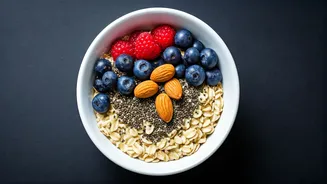
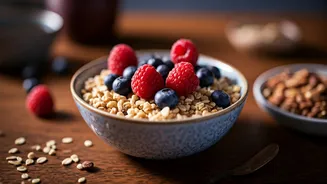
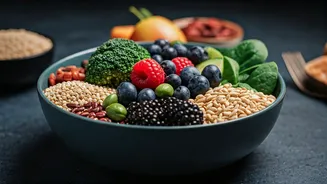
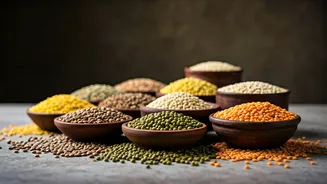
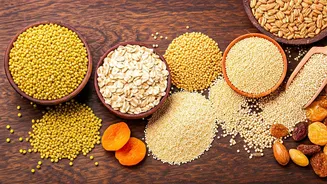
Adding fibre to your breakfast doesn't require a complete pantry overhaul. Many familiar Indian staples are naturally rich in this powerhouse nutrient. Millets like ragi (finger millet) and jowar (sorghum) are excellent choices. [3, 5] Oats, whether rolled or steel-cut, are famously high in beneficial soluble fibre. [4] Don't forget pulses and lentils; a moong dal or besan cheela can be a fantastic high-fibre, high-protein start. [3, 4] Fruits, especially berries, apples, and pears, are packed with fibre, as are nuts and seeds like chia, flax, and almonds. [7, 9] Even simply switching to whole-wheat or multigrain bread for your toast makes a significant difference. [8]
Simple, High-Fibre Indian Breakfast Ideas
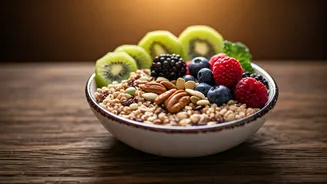
Putting this into practice is delicious and easy. Consider a vegetable poha, but use brown rice poha and add a handful of peas and peanuts for extra fibre and crunch. [5] A vegetable-loaded upma made with dalia (broken wheat) or oats instead of semolina is another excellent swap. [5] For a savoury option, a besan or ragi chilla packed with chopped spinach, carrots, or methi is both filling and nutritious. [3, 4] Even a simple bowl of porridge or daliya can be transformed by adding fresh fruit, a tablespoon of flaxseeds, and a few almonds. Sprouted moong salad is another light yet satisfying option that is high in both fibre and protein. [3]
Making the Switch Smoothly
If your diet is currently low in fibre, it's best to increase your intake gradually. A sudden jump can lead to temporary bloating or gas as your digestive system adjusts. [12, 13] Start by making one small change, like adding a piece of fruit to your breakfast or swapping white bread for whole-wheat. As you add more fibre, it's also crucial to drink plenty of water. Water helps the fibre do its job properly, softening stool and making it easier to pass. [13] Aim for small, consistent changes that you can sustain over the long term for the best results.