


The Soul of a Living Railway
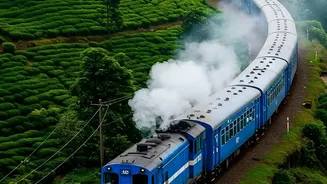
The magic of the Darjeeling Himalayan Railway or the Kalka-Shimla line isn't just in their vintage coaches or colonial-era stations. It's in the steam hissing from an engine, the rhythmic clatter on narrow-gauge tracks, and the train weaving through bustling
towns and breathtaking landscapes. These railways are living, breathing entities. Their value is defined by their function—by the journey itself. To treat a heritage railway like a static monument is to fundamentally misunderstand its soul. The goal of preservation should not be to freeze it at a single moment in 1881 or 1908, but to conserve the continuous, dynamic story of a railway in motion. When we insist on perfect, unchanging historical accuracy, we risk creating a fragile relic that can no longer serve its purpose, eventually silencing the very sounds and experiences we claim to cherish.
The Challenge of Staying Alive
The reality for India's mountain railways is a constant struggle for survival. The Darjeeling Himalayan Railway (DHR), a UNESCO World Heritage site since 1999, faces immense challenges. Frequent landslides disrupt services, sometimes for months, leading to significant revenue loss. In the first half of 2024 alone, the DHR's income dropped by nearly ₹1 crore due to service disruptions. Encroachment along the tracks is another severe problem, creating safety hazards and leading to tragic accidents. Years ago, UNESCO itself raised concerns about insufficient maintenance and a lack of staff trained for the unique needs of a narrow-gauge steam railway. These are not the problems of a museum; they are the problems of active infrastructure crying out for a sustainable plan that balances preservation with practical, functional upgrades.
Modernisation Is Not a Dirty Word
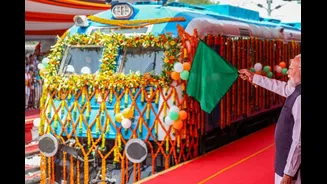
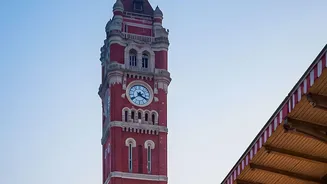
The debate often wrongly pits heritage against modernisation. But recent developments show they can coexist. On the Kalka-Shimla line, another UNESCO site, Indian Railways recently introduced coaches with modern air-brake systems. This crucial safety upgrade, designed and built in-house, enhances braking on steep gradients without sacrificing the line's historic charm. Similarly, stations along the route, including Shimla itself, are being redeveloped under the Amrit Bharat Station Scheme. The plan is to improve passenger amenities like waiting areas and parking while ensuring the main structure's original aesthetic is retained. This is the correct approach: using modern solutions to solve modern problems, ensuring the railway remains safe, efficient, and relevant for today's tourists and locals. Heritage status should guide how we modernise, not prevent it entirely.
A Blueprint for a Functional Future
Protecting a functional railway requires a shift in mindset. It means prioritising all-weather operational reliability, perhaps by building new bridges or reinforcing slopes to prevent landslides. It means investing in modern safety systems that are essential for public transport. It also means finding a sustainable financial model. The function of these railways is twofold: they serve local communities and are a massive draw for tourism. By improving their reliability and passenger experience, we boost their viability. UNESCO's guidelines for World Heritage sites focus on preserving "outstanding universal value," which for a railway, intrinsically includes its operation. It is a living heritage, characterised by "continuity through change." A train that cannot run safely or reliably has no heritage value at all.