





The Curation of Daily Life
Increasingly, we are outsourcing small, everyday decisions to artificial intelligence. AI algorithms curate our entertainment by suggesting what to watch or listen to next, and they craft our information diets through personalized news and social media
feeds. This extends to practical choices, with AI suggesting recipes for dinner, mapping our commutes, and even helping us choose an outfit. This cognitive offloading, as some experts call it, reduces decision fatigue by handling the mental energy of minor choices. The emerging question is what the cumulative effect of this convenience has on our own spontaneity, discovery, and sense of agency. When our choices are perpetually optimized for us, do we lose the capacity for serendipitous discovery or the simple joy of an unplanned detour?
A New Cadence for Creativity
The rise of generative AI has moved its role in our hobbies from simple assistance to active collaboration. It's no longer just about a fitness app tracking our run; it's about AI co-writing a story, generating a unique piece of art, or composing a melody. This has democratized creation for many, turning passive consumers into active creators who can bring ideas to life without years of technical training. This shift prompts new questions about the nature of skill and passion. What does it mean to be a 'creative' person when the tools can generate the output? This is less about replacing human artists and more about how AI is altering the personal satisfaction, learning curves, and social value we associate with our hobbies.
The Changing Texture of Social Interaction
AI is also becoming a mediator in our relationships. It suggests replies to our text messages, helps draft emails, and in some cases, provides companionship through sophisticated chatbots. These AI companions can offer a space to practice social skills or alleviate loneliness. However, this integration also raises concerns about the potential for 'empathy atrophy'. If we become accustomed to frictionless, perfectly accommodating interactions with an AI, it might reduce our patience for the complexities and demands of real human relationships. The next frontier of social science may be to understand how these AI-mediated connections affect our ability to navigate conflict, show empathy, and build genuine, lasting bonds with each other.
From Passive Consumption to Active Reality-Shaping
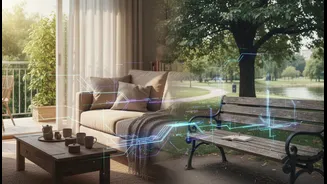
For decades, our interaction with digital content was largely passive. We consumed what was presented. Now, AI allows for a dynamic, two-way street. Gamers play in worlds that adapt in real-time, and soon augmented reality may overlay our world with AI-generated information and experiences. The line between consuming content and creating your own reality is blurring. This brings a more philosophical set of questions to the forefront. As we gain the power to filter, augment, and personalize our lived experience through AI, how does that affect our shared sense of reality? While echo chambers on social media are a known concern, we are moving toward a future where our individual realities could become uniquely tailored, challenging shared experiences and common ground.