




The Philosophy: Pure and Simple
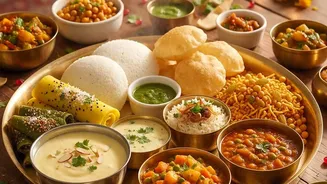
The fundamental difference lies in the philosophy behind the food. Vrat recipes are rooted in the Ayurvedic concept of a 'sattvic' diet, which emphasizes pure, natural, and light foods believed to promote mental clarity and calmness. Everyday vegetarian
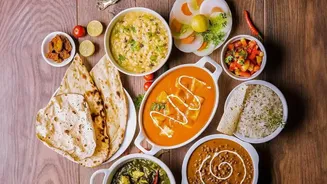
cooking, while excluding meat, doesn't necessarily follow this principle and can include processed ingredients or foods considered 'rajasic' (stimulating) or 'tamasic' (heavy, dulling). The goal of vrat food is to nourish the body without over-stimulating it, aligning with the spiritual purpose of fasting.
A Different Grain Game
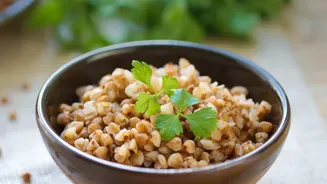
One of the most significant distinctions is the complete avoidance of common grains and legumes. Regular vegetarian diets rely heavily on wheat, rice, all-purpose flour (maida), semolina (sooji), and lentils. During a traditional vrat, these are strictly forbidden. Instead, a special category of 'pseudo-grains' and flours takes over. These include buckwheat flour (kuttu ka atta), water chestnut flour (singhara ka atta), amaranth flour (rajgira ka atta), and barnyard millet (samak ke chawal). These alternatives are often gluten-free and considered lighter and easier to digest.
The Salt Swap: Rock vs. Table
In a regular kitchen, iodized table salt is the standard. For vrat cooking, however, only rock salt, known as 'sendha namak', is permitted. The reasoning is that sendha namak is a mined, unrefined, and minimally processed salt, which is considered purer and more natural than commercially produced table salt. This swap is a non-negotiable rule in traditional fasting recipes and contributes a milder flavour to the dishes.
A Curated Vegetable Basket
Not all vegetables are created equal in the world of vrat. Everyday vegetarian cooking embraces the entire vegetable kingdom, but fasting meals have a restricted list. The most notable omissions are onions and garlic. According to Ayurvedic and spiritual traditions, onions and garlic are considered tamasic and rajasic, meaning they are believed to generate heat and passion, distracting the mind from its spiritual focus. Other vegetables like mushrooms and sometimes cauliflower and brinjal are also avoided. The focus shifts to vegetables like potatoes, sweet potatoes, pumpkin, bottle gourd (lauki), and cucumber.
A Milder Spice Palette
An everyday vegetarian curry can be a riot of complex spices. Vrat cooking, in contrast, uses a much simpler and milder selection of flavourings. Spices that generate intense heat or have strong flavours, such as turmeric (haldi), asafoetida (hing), mustard seeds (rai), and fenugreek seeds (methi dana), are typically avoided. The approved spice list usually includes cumin, black pepper, green chillies, ginger, cloves, and cinnamon. This limited palette ensures the food remains light and doesn't over-excite the senses, staying true to the sattvic ideal.
Preparation and Cooking Mediums
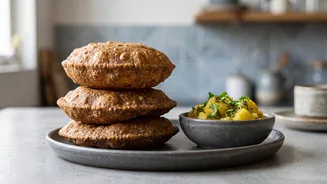
While not a strict rule, there's a strong emphasis on freshness and simplicity in preparing vrat food. Processed and canned foods are off-limits. The preferred cooking medium is often pure ghee (clarified butter), which is considered sattvic. While everyday vegetarian meals can involve complex cooking techniques and various refined oils, vrat recipes often lean towards simpler methods like boiling, steaming, and roasting. Though deep-fried items like kuttu ki puri are popular, the underlying principle is to keep the food as pure as possible.