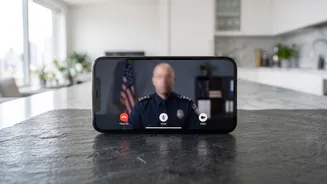








A call from an unknown number escalates quickly. Suddenly, you're accused of a serious crime and placed under 'digital arrest'. This new-age extortion scam is targeting metro residents, using fear and impersonation to steal lakhs.
What Is a 'Digital Arrest'?
A 'digital arrest' is
not a real legal procedure; it is a sophisticated cyber scam. Fraudsters impersonate officials from law enforcement agencies like the police, CBI, Enforcement Directorate, or even the Telecom Regulatory Authority of India (TRAI). They call victims and create a high-pressure situation, falsely claiming the victim's identity or bank accounts have been linked to serious crimes like money laundering, drug trafficking, or national security threats. The entire 'arrest' takes place over a phone or video call, designed to isolate and terrify the victim into transferring large sums of money.
The Anatomy of the Scam
The scam follows a calculated script. It begins with a call, sometimes an automated voice message, claiming your mobile number will be blocked or that a parcel in your name contains illegal items. You might be told to press '9' to speak with an officer. This connects you to a live scammer who escalates the threat. They may conduct a 'verification' over a Skype or WhatsApp video call, often using fake uniforms and official-looking backgrounds. To make the threat feel real, they present forged documents like FIRs, arrest warrants, or agency ID cards. The core tactic is psychological confinement: victims are ordered to remain on the video call for hours, or even days, and forbidden from contacting anyone, ensuring they cannot verify the claims or seek help.
Key Red Flags to Watch For
Recognising the warning signs is the first step to protecting yourself. Be immediately suspicious of anyone who claims to be a police or government official over the phone and accuses you of a crime. No legitimate authority will demand money to clear your name or avoid arrest. Another major red flag is the sense of extreme urgency and secrecy they impose. If a caller threatens you, pressures you to stay on the line, and forbids you from speaking to family or a lawyer, it is a scam. They may also ask you to transfer money into various accounts for 'verification', promising it will be returned. Real investigations do not work this way.
How Scammers Evade Detection
These criminal networks are often highly organised. Recent police action, such as 'Operation Digital Kavach' in Lucknow, has revealed that scammers use illegal SIM boxes and VPN gateways. This technology allows them to mask their international calls, making them appear as local numbers, which complicates tracing efforts. The money trail is also deliberately obscured. Once extorted, funds are quickly laundered through a complex web of 'mule' bank accounts—accounts opened using stolen or fake identities—to hide the final destination of the stolen money.
How to Protect Yourself
The best defence is simple: do not engage. If you receive a call threatening a 'digital arrest', hang up immediately. Do not press any numbers or follow instructions. Block the caller's number. Never share personal information like your Aadhaar number, bank account details, or OTPs with an unsolicited caller. Remember, police and other government agencies do not conduct arrests or investigations over phone calls. An official summons or warrant is served in person. If you have any doubt about a call, disconnect and independently contact your local police station to verify the claim. Do not use any phone number provided by the suspicious caller.