


The Core Choice: Apartment vs. Independent House
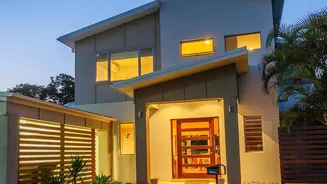
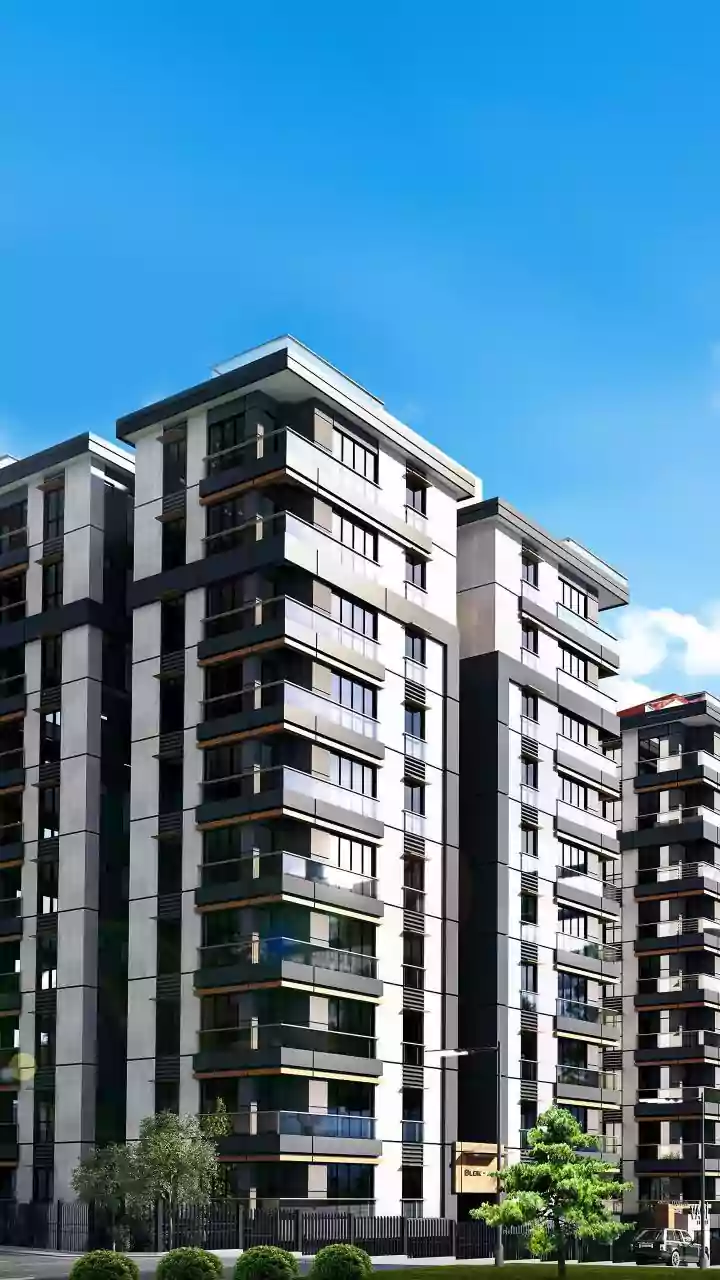
The fundamental difference lies in ownership and lifestyle. When you buy an apartment, or flat, you own the individual unit but share the land and common infrastructure with other residents in the building or society. An independent house, on the other hand,
gives you sole ownership of both the structure and the plot of land it stands on. Apartments are the dominant choice in metro cities where land is scarce, while independent houses are more common in Tier-2 and Tier-3 cities. This choice affects everything from your budget and daily routine to your long-term financial goals.
A Look at the Financials
For most first-time buyers, the initial cost is a primary factor. Apartments generally have a lower entry price, as the cost of land is divided among many owners. This makes them more accessible, especially in large urban centres. However, the quoted price for an apartment often excludes additional charges like stamp duty, registration, GST (for under-construction properties), maintenance deposits, and fees for amenities like parking and clubhouses. These hidden costs can increase the total expense by 10-20%. An independent house typically requires a higher initial investment, involving the cost of the plot and then construction. While home loans are available for both, financing is often simpler for apartments as many projects are pre-approved by banks.
Lifestyle and Amenities
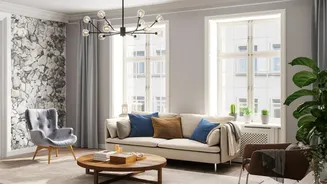
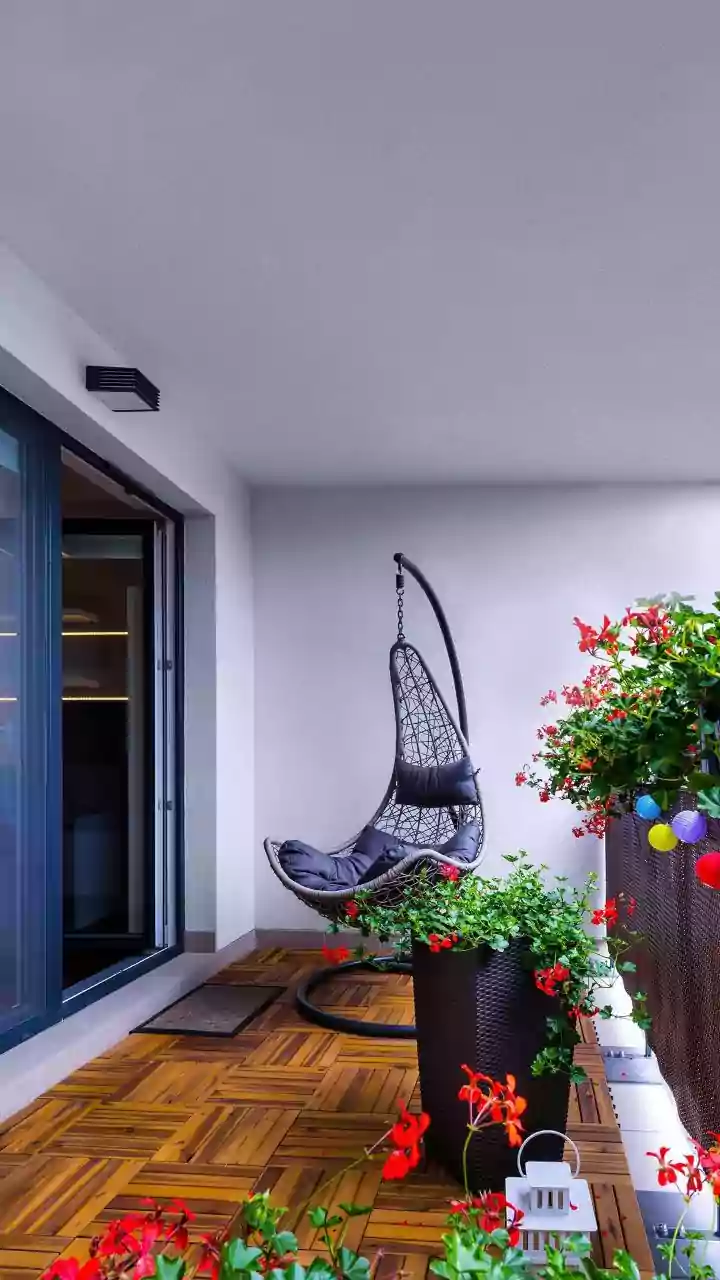
Your day-to-day life will be significantly different in each property type. Apartment complexes often offer a package of modern amenities like swimming pools, gyms, clubhouses, and landscaped gardens. They provide a sense of community and integrated security, with features like gated entrances, CCTV surveillance, and security personnel, which is a major advantage for many families. An independent house offers greater privacy, space, and the freedom to live without rules set by a residents' welfare association (RWA). However, all amenities and security measures must be arranged and funded by the owner.
Maintenance and Responsibilities
Maintenance is a key differentiator. In an apartment, residents pay a fixed monthly maintenance charge to the RWA, which manages the upkeep of common areas, lifts, security, and other shared services. This makes monthly expenses predictable. For an independent house, the owner is solely responsible for all maintenance and repairs, from fixing a leaky roof to painting the exterior. These costs can be unpredictable and require significant time and effort to manage.
Freedom to Customise
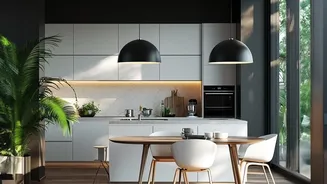
An independent house provides complete freedom for customisation and expansion. You can modify the layout, build an extra floor, or design your garden exactly as you wish, subject to local building regulations. In an apartment, customisation is limited to the interiors of your unit. Any structural changes are generally not permitted, as they can affect the building's integrity and require approval from the housing society.
Long-Term Investment Value
Both property types can be good investments, but their appreciation potential differs. The value of an independent house is strongly linked to the land it sits on, and land value tends to appreciate significantly over the long term. For apartments, appreciation is tied to the location, the quality of the project, and demand in the area. While buildings depreciate over time, a well-located apartment can still offer good returns and strong rental demand. Apartments are also generally easier to sell or rent out due to higher demand and affordability.