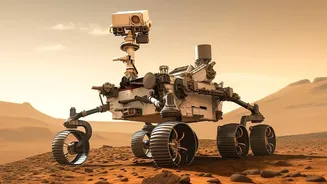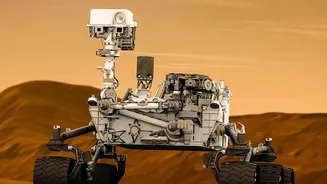

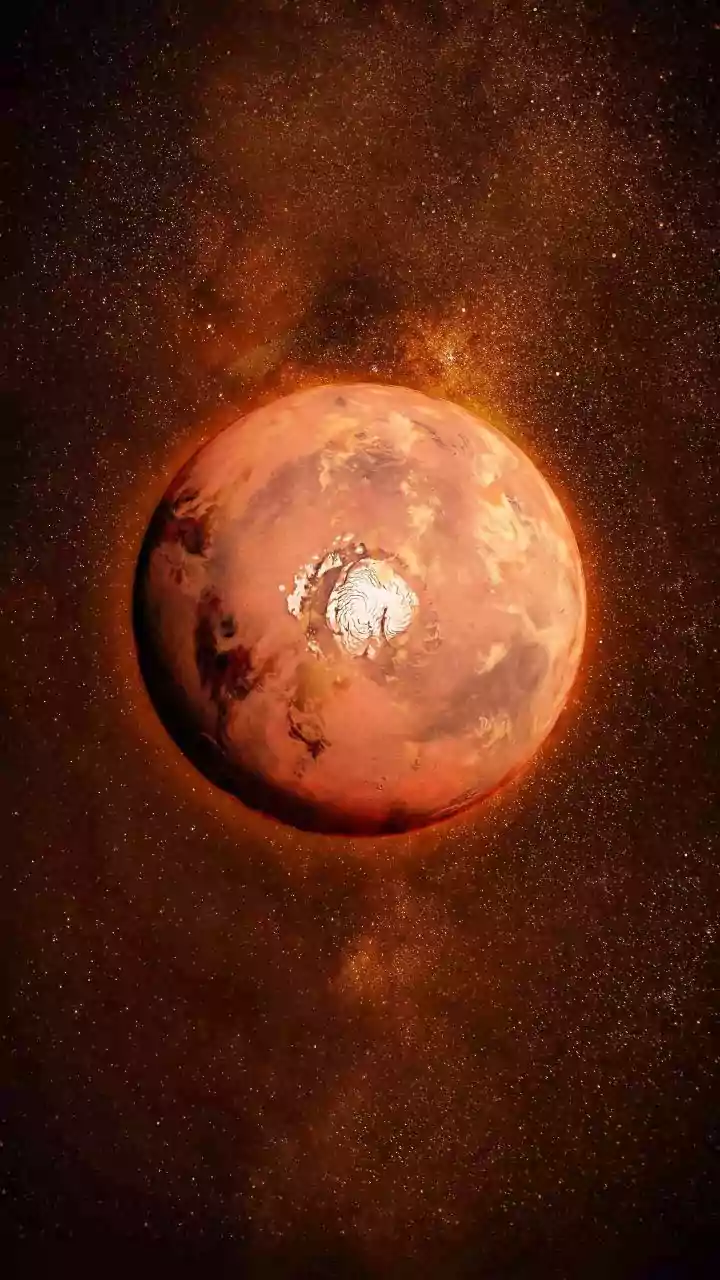


For years, NASA's Perseverance rover has been drilling into the Martian surface, collecting priceless scientific treasures. Now, an audacious plan is taking shape to bring these carefully sealed samples on an unprecedented journey back to Earth.
A Message in a Titanium Bottle
Since
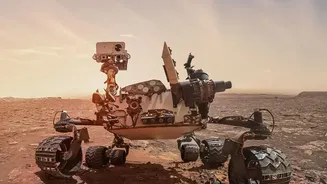
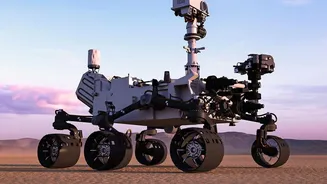
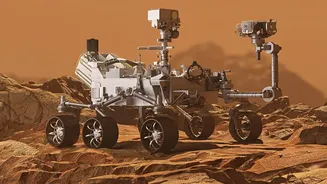
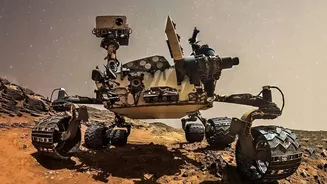
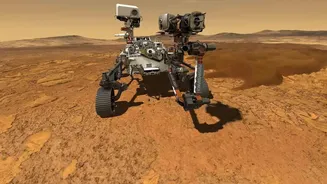
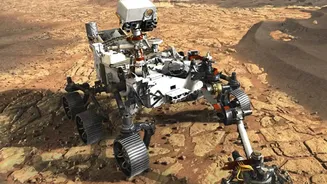
its landing in Jezero Crater in February 2021, the Perseverance rover has been acting as a robotic geologist with a singular purpose: finding and collecting the most scientifically interesting rock and soil samples. It has been drilling into ancient river deltas, lakebeds, and volcanic formations, seeking clues about Mars' watery past. Each sample—a core of rock or a pinch of Martian dust, known as regolith—is sealed in a titanium tube about the size of a marker pen. As of late 2026, the rover has gathered dozens of these precious samples, containing everything from sedimentary rocks, which are excellent at preserving signs of ancient life, to igneous rocks that tell the story of the planet's formation. Some of these tubes have been dropped onto the surface to create a sample depot, a sort of geological cache for a future pickup mission.
The Most Complex Delivery Ever Planned
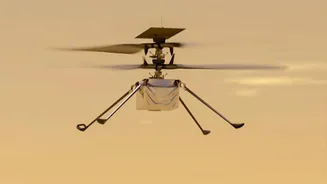
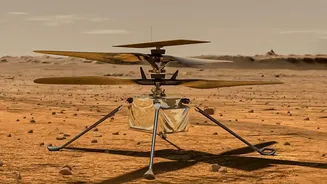
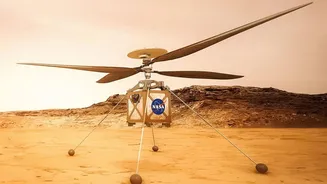
Getting the samples from Mars to Earth is not a simple courier run; it is arguably the most complex robotic mission ever conceived. The joint NASA and European Space Agency (ESA) endeavor, called Mars Sample Return (MSR), involves a sequence of spacecraft working in perfect concert. The original concept involved a Sample Retrieval Lander touching down near the rover. This lander would carry a small rocket called the Mars Ascent Vehicle (MAV) and potentially a pair of small helicopters to fetch the sample tubes left on the surface. Perseverance itself could also deliver its onboard samples directly to the lander. Once loaded, the MAV would launch into Martian orbit—a historic first—and release the container of samples.
A Hundred-Million-Mile Relay Race
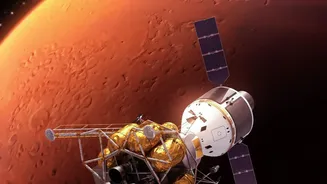
Once in orbit around Mars, the sample container wouldn't be alone for long. A separate spacecraft, the Earth Return Orbiter built by the ESA, would be tasked with finding, capturing, and securing the basketball-sized container. This orbital rendezvous and capture, happening millions of miles from home, is a critical and delicate maneuver. After successfully securing its precious cargo, the orbiter would fire its engines to leave Mars's orbit and begin the long, multi-year journey back to Earth. As it approaches our planet, the orbiter would release a small, heavily protected Earth Entry System. This capsule, containing the Martian samples, would plunge through the atmosphere and land at a designated secure site, likely in the Utah desert, where the samples would be carefully retrieved and transported to a specialized containment facility.
A Plan Under Review
This grand vision has recently hit some turbulence. Independent reviews found the original plan was becoming too expensive, with costs estimated to reach as high as $11 billion, and the timeline too long, with samples not arriving until 2040. In response, NASA has gone back to the drawing board, seeking innovative and faster ideas from its own research centers and private industry. A new review, dubbed the Perseverance Sample Retrieval Architecture (PSRA), was initiated in late 2026 to develop a more streamlined and affordable approach. This reassessment comes as other nations, notably China, are making significant progress on their own Mars sample return mission, Tianwen-3, which aims to bring back samples as early as 2031. NASA's new strategy team is expected to deliver its final report in the winter of 2027-2028.
Why It's Worth the Effort
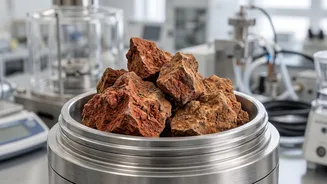
The immense challenge and expense beg the question: why bring pieces of Mars to Earth? The answer is simple: science. The instruments on the rover, while advanced, are limited by size and power. Labs on Earth have far more powerful and sophisticated equipment that can analyze the samples in ways impossible on Mars. Scientists could determine the precise age of the rocks, understand the history of water on the planet, and study the Martian atmosphere in detail. Most tantalizingly, they could search for definitive evidence of past microbial life. These samples could also provide crucial information for future human missions, identifying potential resources or hazardous materials in the Martian soil. Ultimately, bringing these samples home is seen as a transformative moment in planetary science, a chance to answer fundamental questions about our place in the universe.