




Set the Stage for Confidence
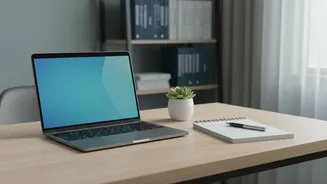
Before you even join the call, your environment plays a huge role in your confidence. A cluttered background or poor lighting can be distracting for both you and the interviewer. Choose a neutral, professional background. Position your light source in front
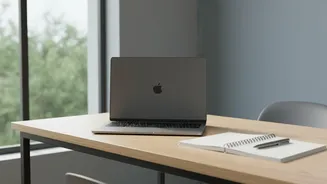
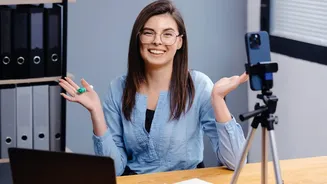
of you, not behind, to avoid being cast in shadow. Most importantly, frame yourself correctly. The interviewer should be able to see your head and upper body clearly. This allows them to see your gestures and expressions, which are key to building rapport. Position the camera at eye level; stacking books under your laptop is a simple trick to achieve this. This setup not only looks more professional but also prevents you from subconsciously slouching to fit into the frame.
Posture Speaks Volumes
How you sit broadcasts your level of engagement and confidence before you say a word. Slouching can signal disinterest or laziness, while leaning too far back can come across as arrogant. The solution is to sit up straight, but not rigidly. Keep your shoulders relaxed and back, and plant your feet on the floor to ground yourself. A slight lean forward into the camera when the interviewer is speaking or when you are making a key point shows you are engaged and interested in the conversation. This simple act of maintaining good posture not only makes you look more professional but can also help you feel more in control and confident.
Nail Your Virtual Eye Contact
This is perhaps the most unnatural part of a video interview, but it's also one of the most critical. It’s tempting to watch the interviewer’s face on the screen, but to them, it will look like you’re looking down. To create the illusion of direct eye contact, you must look directly into the camera lens when you are speaking. This small shift makes the interviewer feel like you are speaking directly to them, fostering a stronger connection. It shows confidence and attentiveness. When you are listening, it’s more natural to watch the screen. Find a balance, but make a conscious effort to direct your gaze to the camera when it's your turn to talk. It might feel strange, but practicing this can make a significant difference.
Gesture with Purpose, Not Nerves
Nervous energy often manifests in fidgeting—tapping fingers, touching your face, or playing with your hair. These habits can be amplified on camera and may signal a lack of confidence or even dishonesty to the interviewer. The goal is not to be perfectly still, which can appear robotic, but to be intentional. Use hand gestures sparingly and purposefully to emphasize your points, just as you would in a normal conversation. Keeping your gestures open, rather than crossing your arms, signals honesty and engagement. If you find your hands are shaky, try resting them calmly in your lap or lightly on the desk when you're not speaking.
Master Your Facial Expressions
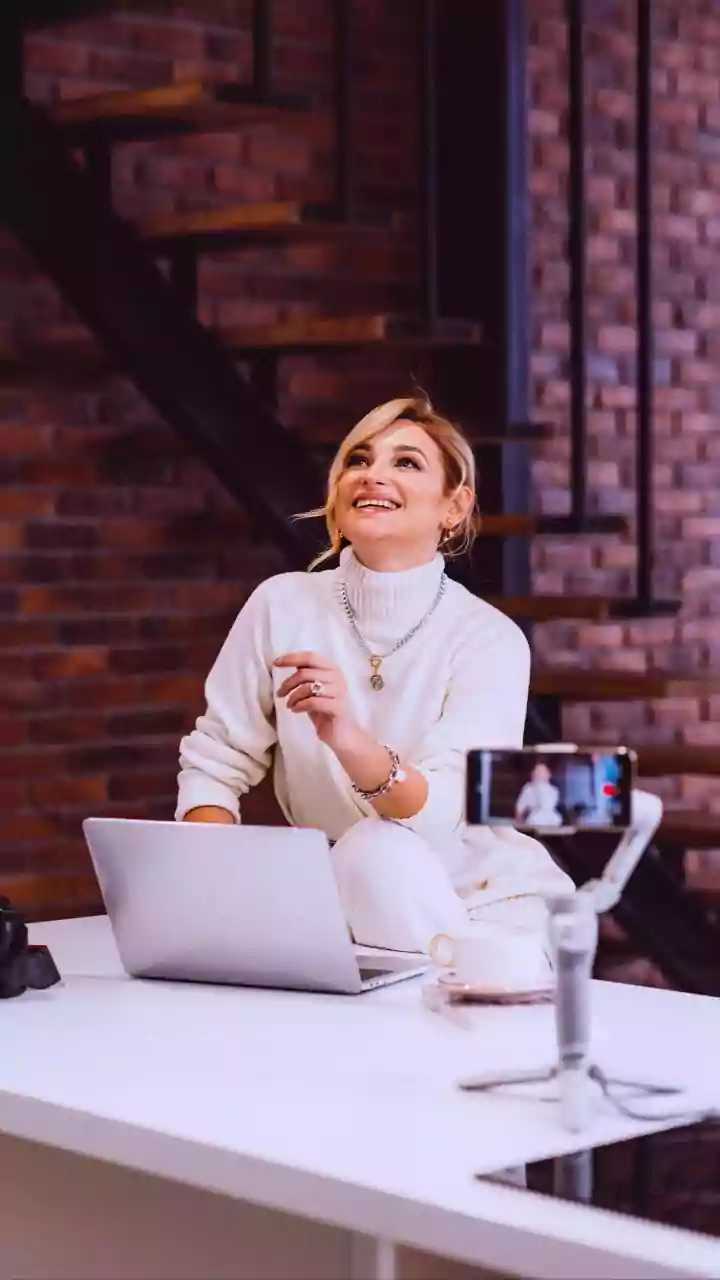
In a virtual setting, your face is the primary tool for conveying emotion and engagement. A common mistake is to either maintain a stony, neutral expression or to force an unnatural, constant smile. Instead, aim for a pleasant, attentive expression when listening. Let your expressions change naturally based on the conversation. Smile when you greet the interviewer and when it feels appropriate, as it conveys warmth and enthusiasm. Nodding occasionally as the interviewer speaks is a powerful, non-verbal way to show you are actively listening and understanding their points. These small facial cues prove you're present and engaged in the dialogue, which is crucial for building rapport through a screen.