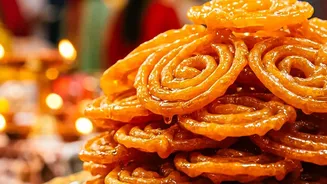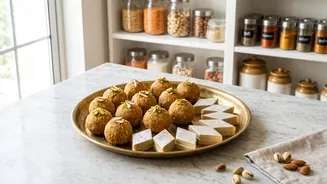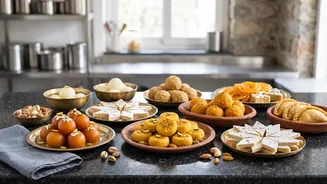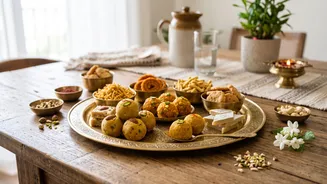

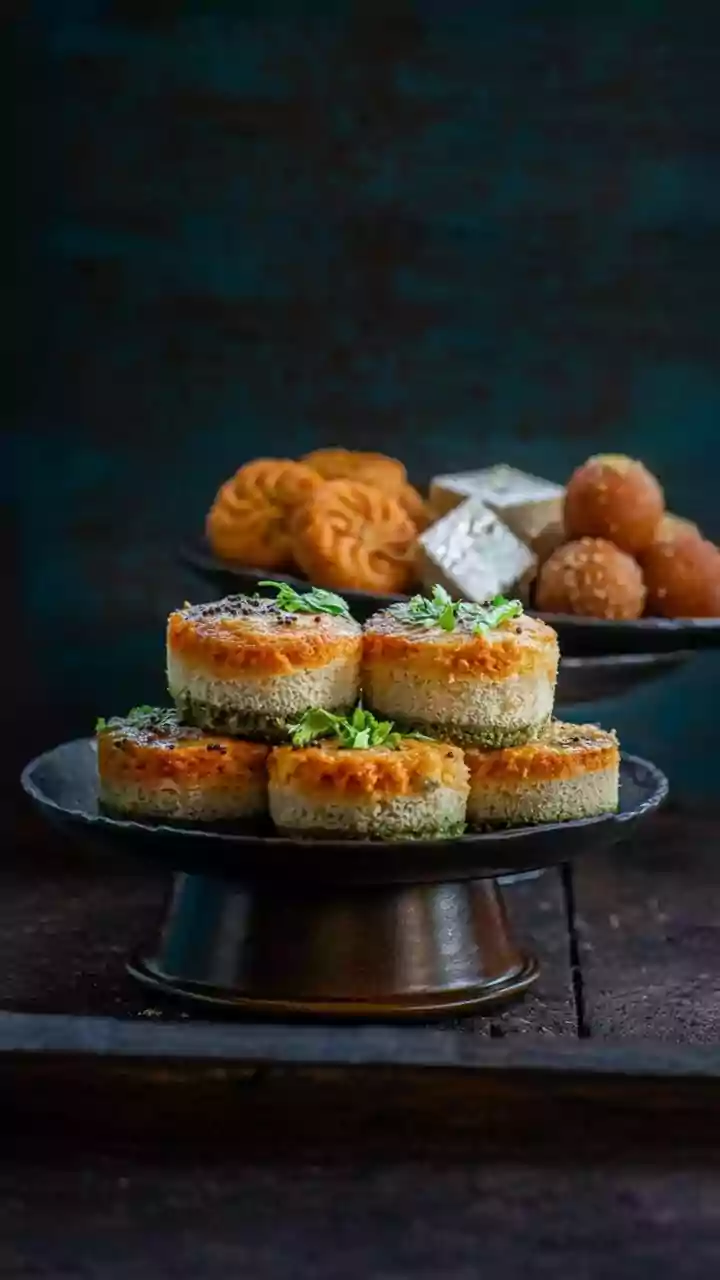



The glow of diyas has faded and the guests have gone, but the spirit of Diwali lingers in our kitchens, often in the form of delicious, abundant leftovers. Here are some smart habits to ensure not a single laddoo or savoury treat goes to waste.
Conduct a Leftover Audit
Before
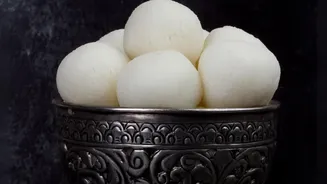
you do anything else, take stock of what you have. Group similar items together. Separate the sweets (mithai) from the savouries (namkeen), and dry snacks from gravy-based dishes. This simple step prevents flavours from mixing and helps you see exactly what needs to be eaten first. Create a 'use-it-up' meal plan for the next few days, prioritising items with a shorter shelf life, like milk-based sweets (rasgulla, kalakand) and cooked curries. This is the foundation of the 'First-In, First-Out' (FIFO) principle, a simple but effective way to ensure older food gets used before newer items.
Master Smart Storage
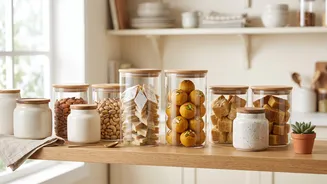
Proper storage is crucial to extending the life of your festive treats. Let all cooked food cool to room temperature before refrigerating to prevent condensation, which makes food soggy. Use airtight containers, preferably glass or stainless steel, to keep food fresh and prevent odours from mingling in the fridge. For dry snacks like chakli, sev, and mathri, airtight steel or glass jars are perfect for maintaining their crunch. For sweets, it's vital to keep dry and syrupy ones separate to prevent the dry ones from becoming soggy. Placing butter paper between layers of barfi or peda also stops them from sticking together.
Repurpose, Don’t Just Reheat
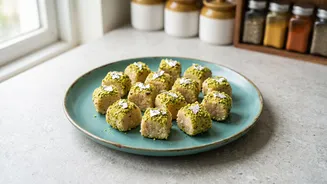
Think of leftovers as ingredients for new dishes. This is where kitchen creativity can truly shine. Crumbled laddoos, for instance, can be mixed with nuts and seeds to create energy bites, layered in a parfait with yoghurt, or even used as a base for a no-bake cheesecake. Leftover soan papdi can be blended into a rich milkshake, and pedas or barfis can be melted into milk to create a quick, flavourful kheer or milkshake. On the savoury side, leftover chakli or namak para can be crushed and used as a crunchy topping for chaat, replacing the traditional puri. Cooked vegetables can be mashed and stuffed into parathas for a hearty breakfast.
Embrace the Freezer
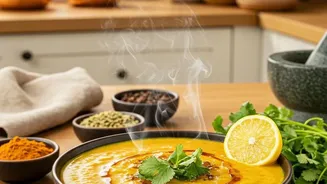
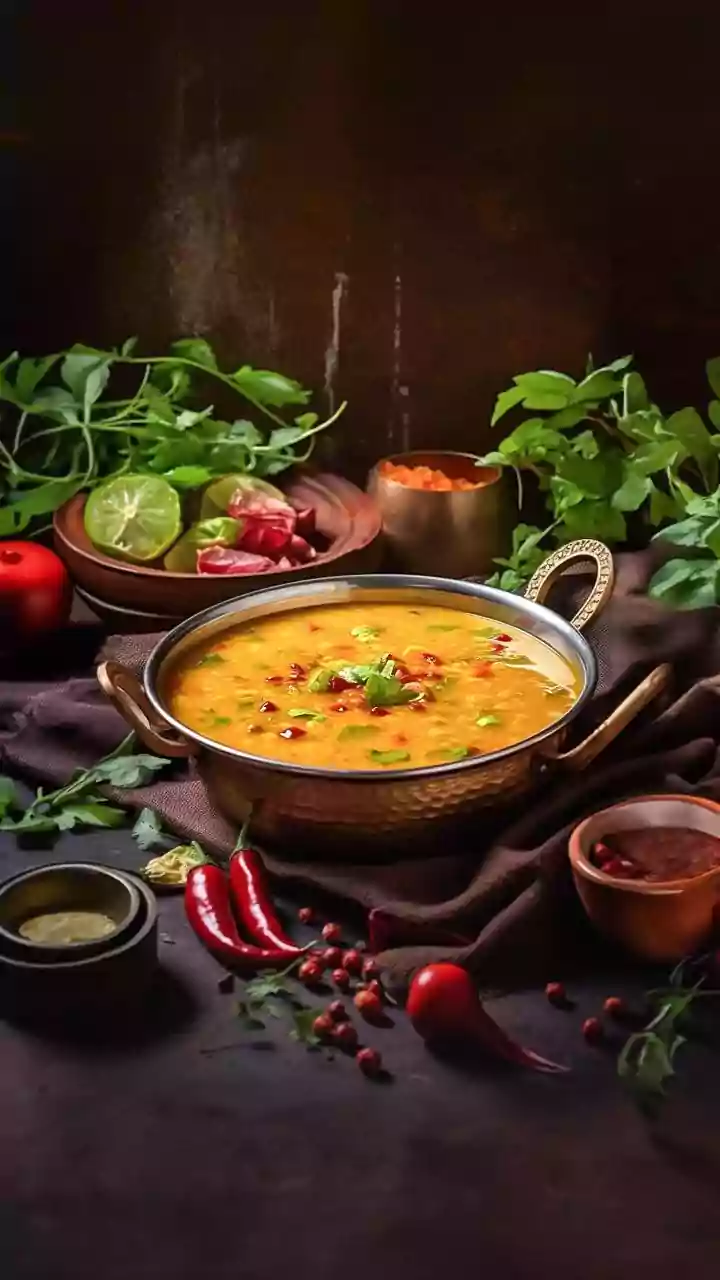
The freezer is your best friend for longterm preservation. Many Indian dishes freeze surprisingly well. Thick gravies and dals can be stored for weeks. Even some sweets can be frozen. Just be sure to use freezersafe, airtight containers and label everything with the name of the dish and the date it was frozen. This avoids the 'mystery frozen box' dilemma later on. When you're ready to eat, simply thaw the food in the refrigerator before reheating thoroughly. Remember, rice should not be reheated more than once for safety.
Share the Abundance
The spirit of Diwali is about sharing joy, and that can extend to sharing food. If you find yourself with an overwhelming amount of sweets or snacks, consider sharing them. Distribute boxes to neighbours, domestic help, security guards, or local community helpers. Many cities also have organizations and food banks that accept surplus food and distribute it to those in need. This not only prevents waste but also spreads the festive cheer a little further. A quick search online can help you find local NGOs dedicated to this cause.
Plan Ahead Next Year
The smartest habit for preventing postfestive waste begins before the festival even starts. While the spirit of abundance is central to Diwali, mindful planning can make a huge difference. Try to estimate the number of guests more accurately and cook in slightly smaller batches'; you can always make more if needed.' When it comes to gifting', consider giving smaller', more thoughtful food gifts like homemade roasted nuts or jaggerybased sweets that are easier to consume and less likely to be wasted.' Planning your menu and shopping with a list can curb impulse buys and ensure you only purchase what you truly need.