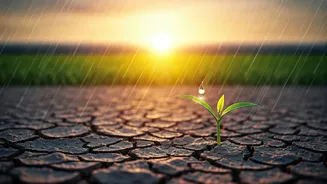



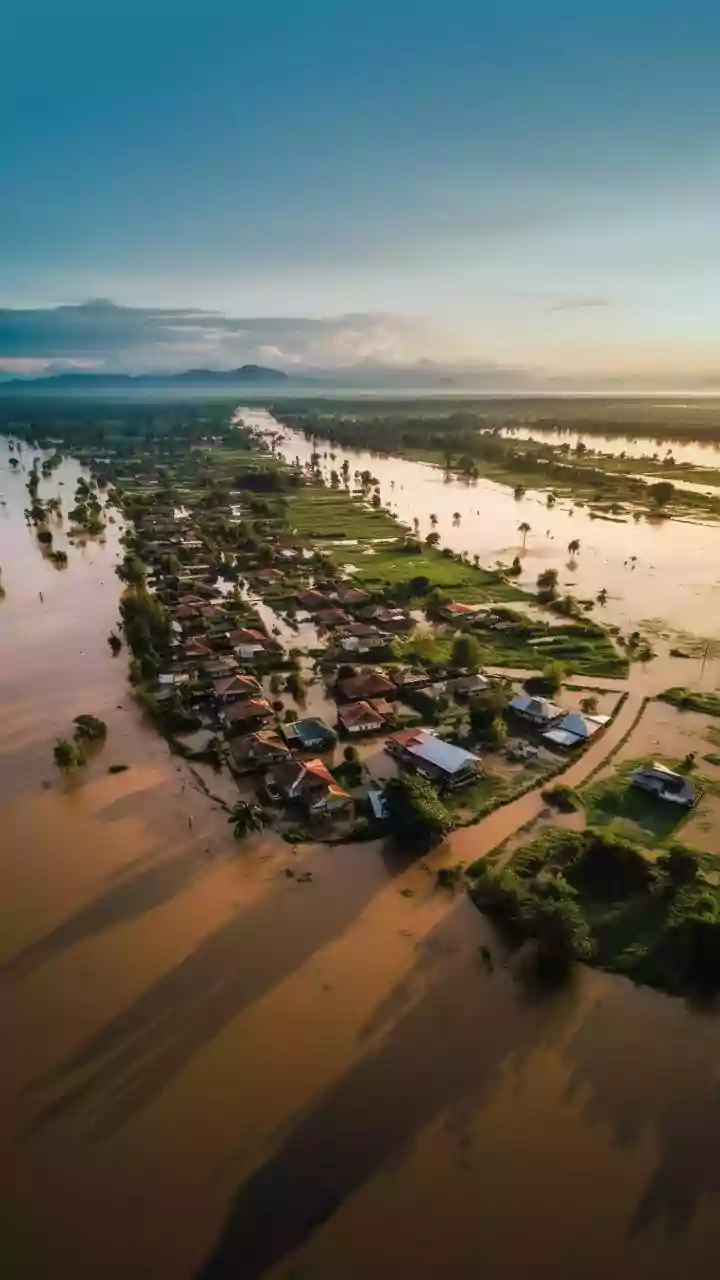


The First Drop: A Lifeline for Agriculture
The entire economic chain begins in the soil. India's agricultural sector, which provides a livelihood for nearly half the population, is deeply dependent on the southwest monsoon. [19] These seasonal rains, which occur from June to September, are crucial
for the Kharif sowing season. [11] Crops like rice, pulses, soybeans, and cotton—staples of both our diet and industry—are overwhelmingly rain-fed. [19, 24] A timely and evenly distributed monsoon replenishes soil moisture, fills reservoirs, and ensures that planting can proceed on schedule. [19] For 2026, however, the forecast is fraught with worry. The India Meteorological Department (IMD) has projected a below-normal monsoon at 90% of the Long Period Average, largely due to developing El Niño conditions, which historically weaken India's rainfall. [3, 18]
The Ripple Spreads: Rural Prosperity and Spending
When the rains are good, the harvest is bountiful. This translates directly into higher incomes for millions of farmers. This isn't just about food security; it's about generating powerful demand from the ground up. With more cash in hand, farmers' spending habits change. They are more likely to pay off existing loans, seek new credit, and invest in next year's crop. But the effect is much broader. A prosperous rural India means a surge in demand for a wide array of goods. The first items on the shopping list are often those that improve farm life and productivity—tractors, fertilisers, and seeds. [6] This creates a direct, positive impact for agri-input companies.
The Wave Reaches Industry: A Boost for Big Business
That wave of rural spending quickly travels to corporate India. After farm equipment, the next purchases are often two-wheelers and entry-level cars, giving a significant boost to the auto sector. [24] Simultaneously, fast-moving consumer goods (FMCG) companies see a sharp uptick in sales. [25] Firms that sell everything from biscuits and soap to small home appliances find a massive market in the hinterlands, which account for over a third of their total revenues. [16, 25] A weak monsoon, conversely, can lead to a contraction in rural spending. [16] This year, with early monsoon deficits and a slow start to Kharif sowing for crops like cotton and pulses, many of these sectors are watching the skies with apprehension. [4, 6]
The Impact at Home: Your Family's Budget
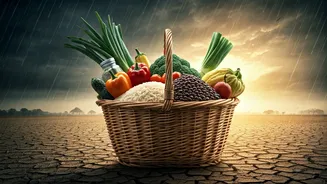
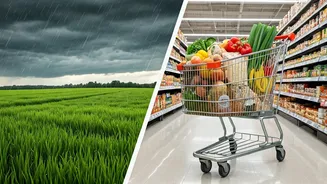
You don't need to be a farmer to feel the monsoon's effects. The most direct impact on urban families is at the local vegetable market and the grocery store. A strong monsoon and healthy harvest lead to a stable supply of food grains, vegetables, and pulses, which helps keep food inflation in check. [17, 21] When rainfall is deficient, crop yields fall, supplies dwindle, and prices for essentials like onions, tomatoes, and dal can skyrocket, putting a strain on household budgets. [19] This has a knock-on effect on the broader economy. Rising food inflation can force the Reserve Bank of India (RBI) to maintain higher interest rates, making loans for homes, cars, and businesses more expensive for everyone. [21]
The National Picture: GDP, Policy, and Stability
Ultimately, every one of these ripples converges to affect the entire Indian economy. Agriculture contributes significantly to the nation's GDP, and a poor monsoon can shave valuable points off economic growth forecasts. [9, 20] For 2026-27, S&P Global Ratings has already cited the possibility of a sub-par monsoon as a key reason for moderating its growth projections. [20] A healthy monsoon reduces the government's fiscal pressure, as there is less need for farm loan waivers or rural distress relief packages. It also influences the energy sector, as good rainfall ensures reservoirs are full for hydropower generation. [19] From a single farm to the national stock exchange, the monsoon's performance sets the tone for the country's economic health for the year.