






A Historic Dry Spell
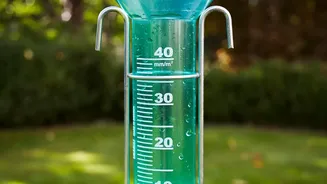
The numbers confirm what residents felt. According to the India Meteorological Department (IMD), its city observatory recorded a mere 23mm of rainfall throughout July. This figure is alarmingly low, making it the second-driest July the city has witnessed
in 108 years, surpassed only by the 18.5mm recorded in 1918. The month, which is typically one of the wettest and contributes significantly to the seasonal total, saw a dramatic failure. While the city usually receives between 80mm and 100mm of rain in July, this year's paltry figure has pushed the entire South Interior Karnataka region into a 'deficient' rainfall category.
What's Behind the Missing Monsoon?
Meteorologists point to a combination of factors for the weak monsoon performance. For much of the month, large-scale weather systems that drive rainfall were absent. An offshore trough that typically runs along the west coast, pulling moisture over the peninsula, was weak or non-existent for long periods. While a brief revival brought showers at the very end of the month, it was too little, too late to make up for the prolonged dry spell. Furthermore, a strengthening El Niño in the Pacific Ocean is a major cause for concern. Moderate El Niño conditions prevailed through July and are expected to intensify, which often correlates with suppressed monsoon rainfall over India.
The View from the Reservoirs
Bengaluru's water lifeline is the Cauvery River, and the health of its reservoirs is a constant source of anxiety. The dry July has put a significant strain on these water sources. While recent rains in the Cauvery catchment areas in early August have brought some relief, significantly boosting inflows to the Krishnaraja Sagar (KRS) and Kabini reservoirs, the situation remains precarious. As of early August, the water level at KRS was rising and approaching the 100-foot mark against a full level of 124.8 feet, while Kabini was nearing its full capacity. However, this recent boost follows a month of worrying depletion and an overall rainfall deficit for the season. Officials from the Bangalore Water Supply and Sewerage Board (BWSSB) have stated that the city currently has enough water reserves for about four months, but a continued weak monsoon could lead to a crisis.
Official Assurances and Ground Reality
Officially, the BWSSB has assured residents that there is no immediate shortage of drinking water. The board states that the city's monthly requirement of about 2 to 2.3 TMC (thousand million cubic feet) of water is being met and that contingency plans involving water tankers are in place. However, for many residents, particularly in the city's periphery and in large apartment complexes that rely heavily on borewells and private tankers, the anxiety is real. Many borewells, which are not supplied by the BWSSB's Cauvery network, depend on rainwater to recharge groundwater aquifers. A failed monsoon directly impacts these, leading to reports of water cuts and increasing difficulty in procuring water tankers even before the peak summer months.
An Anxious Look Ahead
The outlook for the rest of the season offers little comfort. The IMD has forecast below-normal rainfall for both August and September across many parts of the country, including Karnataka. The strengthening El Niño is a key factor in this pessimistic forecast. For a state where nearly 79% of the geographical area is considered drought-prone, and which has officially declared drought in 16 of the last 25 years, a weak second half of the monsoon could have severe consequences for agriculture and drinking water security. Farmers in several districts are already reporting crop damage due to moisture stress and are demanding relief from the government.