





The Race for Faster Delivery
Not long ago, waiting a week for an online delivery was normal. Today, customers expect their goods in a day or two, if not hours. This dramatic shift in consumer expectation has forced e-commerce giants and new-age brands to completely rethink their supply
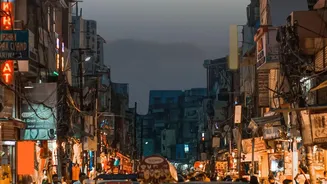
chains. The old model, which relied on massive warehouses located on the outskirts of major metropolitan hubs, is no longer efficient enough to meet the demand for speed across the country. E-commerce growth is no longer just a metro story; a significant and rising share of demand now comes from Tier 2 and Tier 3 cities. This geographic redistribution of a multi-billion dollar market has created a massive logistical challenge: how to get products closer to millions of customers in cities like Jaipur, Lucknow, Nagpur, and Coimbatore.
The Problem with Mega-Warehouses
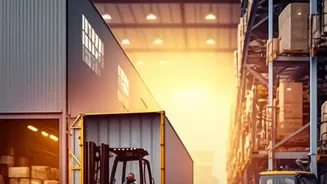
The traditional 'hub-and-spoke' logistics model involves a few very large fulfillment centers storing a wide range of inventory. While cost-effective for bulk storage, this system creates long distances for last-mile delivery, the final and most expensive step in the shipping process. Sending a package from a warehouse near Delhi to a customer in Indore is slow and costly. As e-commerce demand exploded in non-metro areas, this centralized approach became a bottleneck, making it impossible to offer the quick delivery times that city dwellers take for granted. Companies realized they needed to move their inventory away from the saturated metros and closer to these new, rapidly growing customer bases.
Enter the Micro-Fulfillment Centre
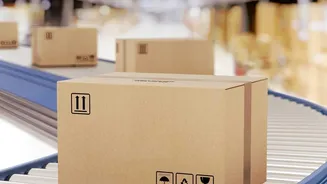
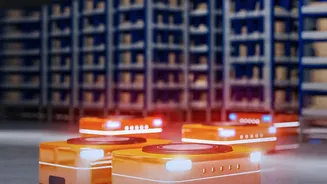
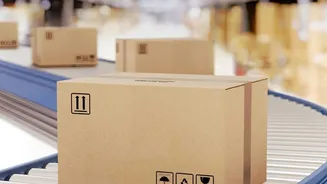
The solution is the micro-fulfillment centre (MFC). An MFC is a small-scale, highly efficient warehouse strategically located within or near urban and semi-urban population centers. Instead of a 500,000-square-foot behemoth, think of a compact, tech-enabled facility focused on storing and shipping the most popular products for a specific local area. These centres use automation and smart inventory management to process orders at high speed. When an order is placed, it is picked, packed, and dispatched from the nearest MFC, drastically cutting down the distance and time for the last mile. This decentralized network allows e-commerce players to promise—and deliver on—same-day or next-day shipping promises.
Why Tier 2 Cities Are the Perfect Fit
Tier 2 cities have become the epicentre of this warehousing boom for several key reasons. Firstly, real estate is significantly more affordable than in major metros, making it cost-effective for companies to lease or build numerous smaller facilities. Secondly, these cities provide access to a large, available workforce. Most importantly, they are at the heart of the fastest-growing consumer markets. Placing MFCs in cities like Nagpur—India's geographical centre—or burgeoning hubs like Bhiwandi and Gurgaon allows for efficient pan-India distribution and rapid access to regional customers. Government initiatives like the National Logistics Policy and PM Gati Shakti are further accelerating this trend by improving infrastructure and connectivity to these regions.
The New Wave of Logistics Jobs
This shift is creating a surge in employment opportunities across the logistics sector, which is projected to add millions of jobs. These are not just traditional manual labour roles. Modern MFCs require a mix of skills. Jobs range from warehouse associates, pickers, and packers who work with handheld scanners and automated systems, to line captains, inventory controllers, and data analysts. There is also a growing demand for fleet managers, transport coordinators, and last-mile delivery personnel. Major companies like Amazon, Flipkart, Reliance Retail, and leading logistics providers are actively recruiting for these roles, offering formal employment with structured salaries and benefits. As the sector becomes more organized and technology-driven, it is creating clear career paths for workers to advance from floor associates to supervisory and management positions within a few years.