




The Appliance Reality Check
Your ambitions may call for a multi-course feast, but your appliances have the final say. Start with the basics: your oven and stovetop. How many dishes can you realistically cook at once? Many recipes require different oven temperatures, making it impossible
to bake a cake and roast a chicken simultaneously. Take stock of your burners. If your signature biryani requires one large pot and two smaller pans for the gravy and raita, you have limited space left for anything else. The same applies to small appliances. Planning to use your mixer, food processor, and blender? Ensure you have not only the counter space but also enough accessible electrical outlets to power them without creating a hazardous tangle of wires. This quick inventory prevents the classic scenario of discovering you need to cook three things at 180°C with only one oven rack.
Fridge and Freezer Space Audit
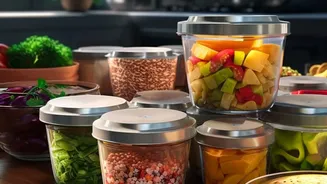
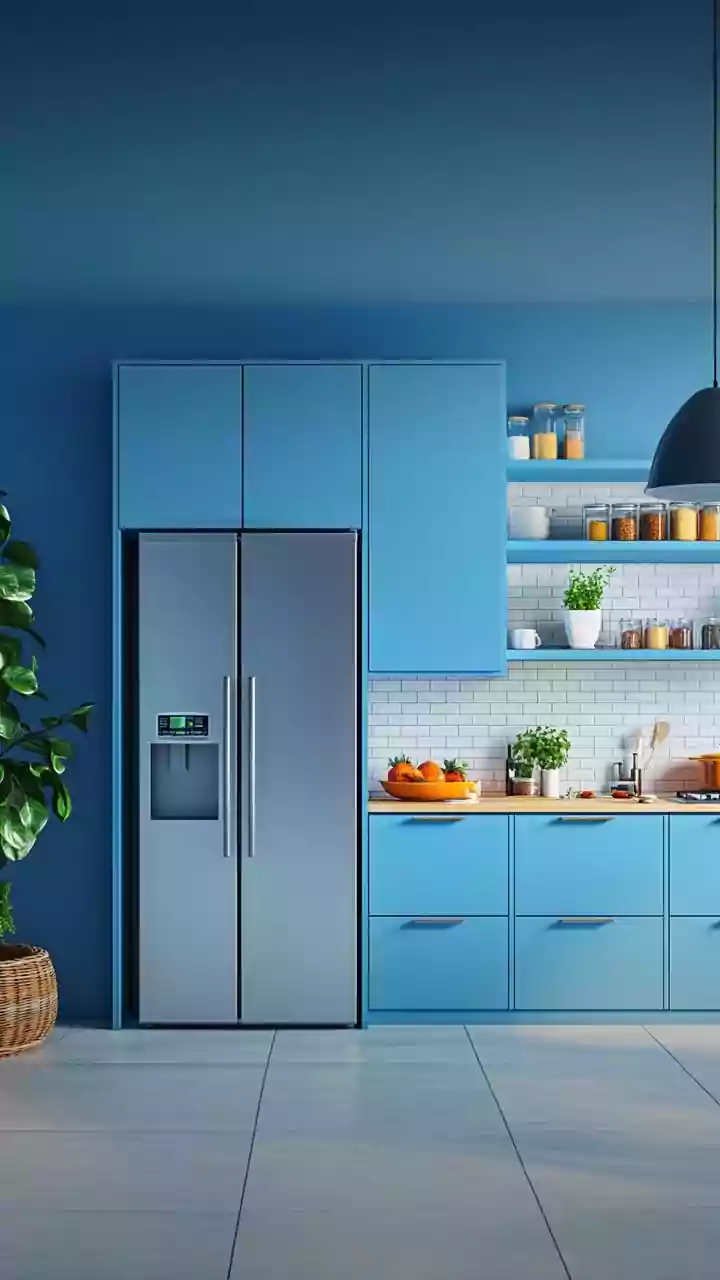
A successful party menu often relies on dishes that can be prepared in advance. But prepped ingredients, marinades, and make-ahead desserts all need a place to live. Before you commit to a chilled cheesecake or a multi-component salad, open your refrigerator and freezer. Is there actually room? That large pot of curry you plan to make a day ahead will need significant real estate. Remember to account for drinks, ice, and any items guests might bring. A fridge packed to the brim not only makes it hard to find things but also affects its cooling efficiency. If space is tight, your menu should pivot towards dishes that can be prepped and stored at room temperature or cooked just before serving, rather than complex recipes requiring extensive refrigeration.
Counter Space: Your Command Centre
Counter space is the most valuable real estate in a kitchen during party prep. It’s where you chop, mix, assemble, and plate. Before you decide on an ambitious menu that requires intricate knife work and multiple assembly stations, assess your workable surfaces. If your counters are already home to a microwave, coffee maker, and knife block, your available prep area is smaller than you think. Consider how much space each dish requires, not just for cooking but for its final presentation. Overcrowded countertops lead to stress, spills, and a feeling of chaos. If your space is limited, choose one-pot meals, sheet-pan recipes, or dishes that don't require last-minute assembly. You can also expand your prep space by using a cutting board placed over a cool stovetop or a sink cover.
Plan for People and Flow
A kitchen's capacity isn't just about physical space; it's about how people move through it. If your kitchen is also the main thoroughfare to a balcony or garden, a complicated cooking process can create a frustrating bottleneck for you and your guests. Think about traffic flow. Can guests grab a drink without getting in the way of you pulling a hot tray from the oven? Setting up a separate drink station in the living room or dining area can be a simple way to keep traffic out of your immediate workspace. Similarly, planning a buffet-style or family-style service can be much more manageable in a small space than plating individual meals, which requires significant clear counter area.
Matching the Menu to Your Capacity
Once you have an honest picture of your kitchen's limitations, you can choose your recipes wisely. This isn't about limiting your creativity; it's about channeling it smartly. If you have limited oven space, focus on a menu that heroes the stovetop or grill, with a no-bake dessert. If counter space is tight, embrace make-ahead stews, curries, or bakes that only need reheating. A 'low-and-slow' dish that simmers away on its own frees you up to focus on one or two simpler side dishes. Consider a theme that simplifies your workload, like a chaat bar or a taco night, where much of the 'cooking' is simply prepping fresh ingredients and letting guests assemble their own plates. This approach transforms potential stress into a fun, interactive experience for your guests.