





The Rise of the Fourth Meal
Across India's cities, a significant shift in eating habits is underway. The traditional structure of three meals a day is giving way to a more fluid schedule, with a noticeable spike in food orders placed well after conventional dinner times. Food delivery
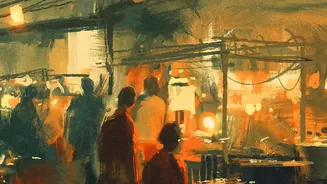
platforms have seen late-night orders, typically placed between 11 p.m. and 3 a.m., double over the past year. This isn't just an occasional weekend treat; it's becoming a regular part of the urban routine, creating what some are calling a "fourth meal" economy. This trend is not confined to major metros like Bengaluru, Hyderabad, and Mumbai; it is also showing robust growth in tier-2 and tier-3 cities such as Surat, Patna, and Lucknow, signalling a widespread cultural change.
The Drivers: Work, Streaming, and Convenience
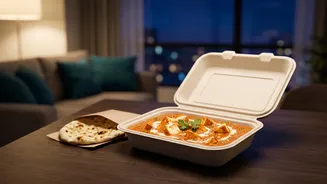
Several factors are fueling this nocturnal appetite. The primary driver is the evolution of work culture. With many professionals in the tech and service industries working flexible hours to align with global teams, the workday often ends late into the night. For these individuals, a meal ordered at 11 p.m. is their dinner, not a snack. According to data from Swiggy, 25% of corporate employees in major hubs order food after 10 p.m. while at the office. The rise of the gig economy and work-from-home arrangements have further blurred the lines between day and night. Add to this the culture of binge-watching streaming services, and you have a large population of people who are awake and looking for a convenient meal. For this new generation of consumers, sleep timings have shifted, with many staying up until 2 or 3 a.m.
What's on the Midnight Menu?
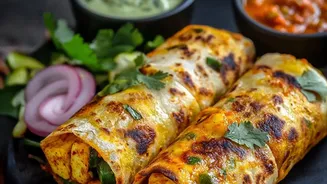
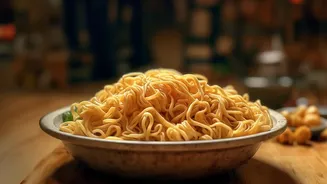
When late-night hunger strikes, comfort is key. According to data from various delivery platforms, the most popular choices are items like pizza, burgers, and biryani. Snacks such as chicken rolls, momos, and french fries are also in high demand, serving as the perfect companion for a late-night movie or work session. Desserts have carved out a significant niche in the late-night market, with orders for items like choco-lava cake and ice cream booming. This trend highlights a desire for indulgence and reward after a long day. Platforms have responded by curating special "late-night cravings" sections and promoting deals to capture this growing market.
An Ecosystem That Never Sleeps
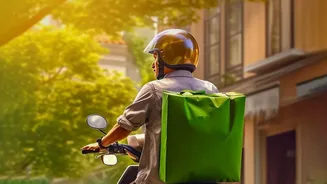
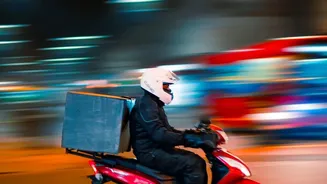
This demand has been met by a supply side that has adapted to be always-on. Major fast-food chains like McDonald's and Domino's now keep many of their outlets open until 3 a.m. in key cities. The rise of cloud kitchens, which operate without a storefront and cater exclusively to delivery, has been pivotal. These kitchens can operate at lower costs and cater specifically to the peak hours of the delivery market, including late at night. This 24/7 delivery infrastructure, powered by quick-commerce platforms and a vast network of delivery partners, has removed the friction that once prevented late-night ordering. Getting a meal at 2 a.m. is now often as seamless as ordering lunch.
More Than Just a Meal
The midnight ordering phenomenon is more than a business trend; it reflects deeper social shifts. For many young professionals, students, and those living alone, ordering in is a functional act that replaces the ceremony of a home-cooked meal. It’s about seeking comfort, de-stressing, or simply finding a small, controllable reward at the end of a hectic day. While this shift towards convenience is reshaping urban life, it also corresponds with broader changes in dietary patterns, which have seen an increased consumption of processed foods. This growing habit points towards a future where the rhythm of city life is increasingly detached from the traditional clock, with food available on-demand, anytime.