


The Unshakeable Comfort of Chai
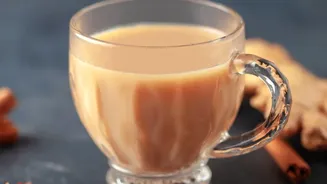
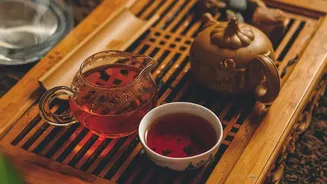
For decades, the rhythm of daily life in India has been punctuated by the ritual of chai. It is the nation's great unifier, a drink of comfort, conversation, and community. From roadside stalls to corporate boardrooms, the sweet, milky, spiced beverage
is a constant. Its preparation is a familiar sensory experience: the scent of ginger and cardamom, the simmer of milk and tea leaves, and the warmth of the first sip. This traditional brew is more than a drink; it's an emotion, deeply woven into the country's cultural fabric and social interactions.
A New Brew on the Block
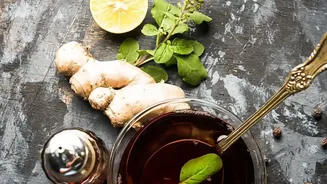
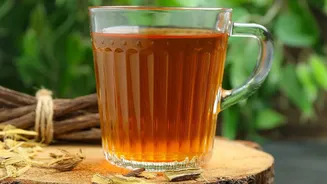
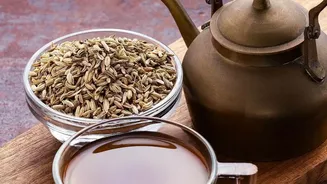
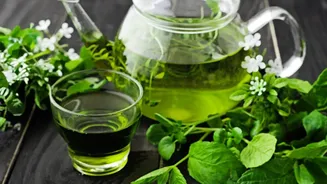
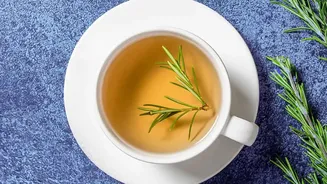
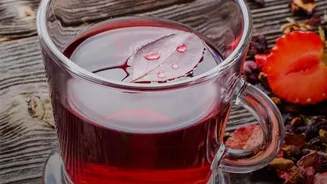
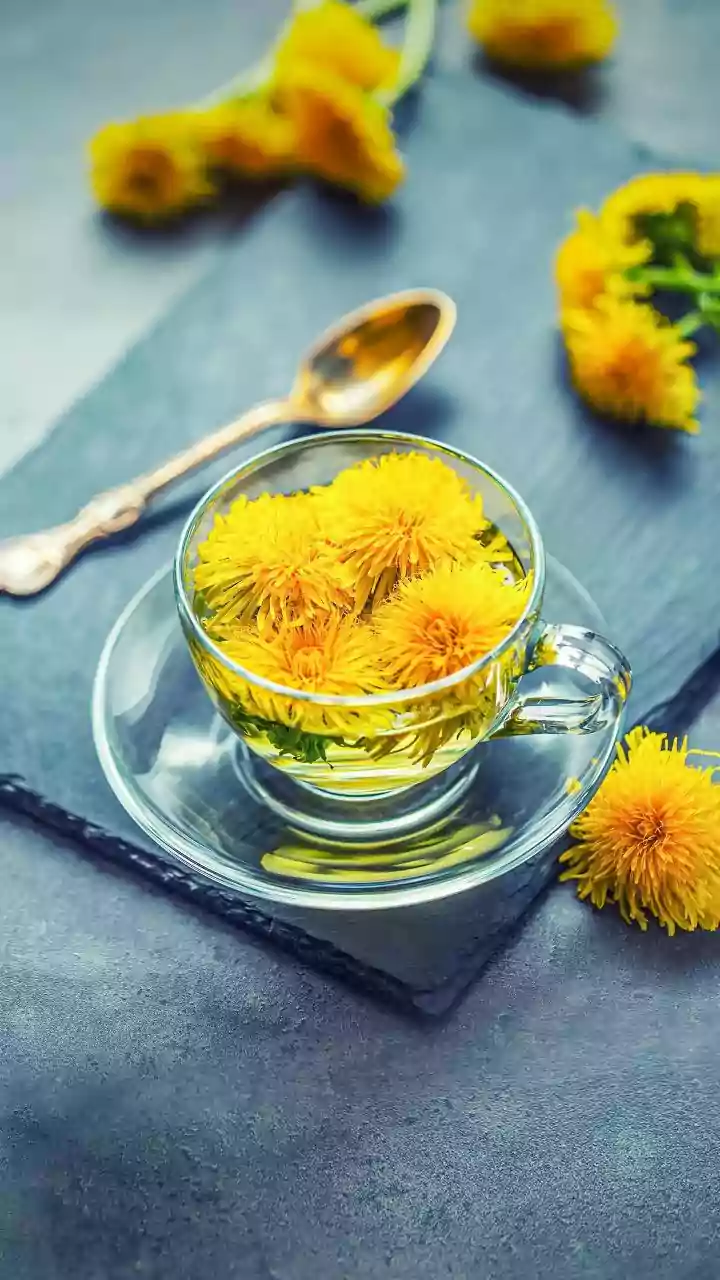
Entering this established landscape are smoked Himalayan herbal infusions, a category of artisanal beverages that offer a completely different experience. These are not teas in the traditional sense, as they don't come from the Camellia sinensis plant. Instead, they are caffeine-free tisanes made from mountain flora like rhododendron flowers, pine needles, and other wild herbs. Some are gently smoked over pine wood, a process that imparts a complex, woodsy aroma reminiscent of a campfire. The flavour is subtle and earthy, a stark contrast to the robust sweetness of milk chai. Brands are marketing these infusions by highlighting their Himalayan origin, evoking a sense of purity, nature, and escape.
The Wellness and Health Angle
A primary driver of this shift is a growing health consciousness among urban consumers. Many are actively looking to reduce their intake of dairy, sugar, and caffeine. A standard cup of milk chai, often loaded with sugar, can be a concern for those managing their weight or blood sugar levels. Herbal infusions, being naturally caffeine-free and containing virtually no calories when unsweetened, present an appealing alternative. Herbs like rhododendron are traditionally believed to offer a range of benefits, from boosting immunity and aiding digestion to possessing anti-inflammatory properties. This aligns perfectly with a wider trend towards functional foods and beverages that do more than just quench thirst.
An Experience and a Statement
Beyond health, the choice of beverage has become a form of self-expression for a new generation of consumers. Drinking a smoked Himalayan infusion can be a signal of being discerning, well-travelled, and connected to artisanal, authentic products. It is part of a broader premiumization trend, where consumers are willing to pay more for quality, origin, and a compelling story. The specialty tea market in India is growing much faster than the standard tea market, driven by younger consumers eager to explore new flavours and experiences beyond the everyday. These infusions offer a narrative of pristine mountain origins and careful, small-batch production that resonates with this desire for something unique.
Is It Really a 'Swap'?
While the trend is significant, it's important to frame it correctly. Smoked Himalayan infusions are not poised to dethrone masala chai from its pedestal anytime soon. The sheer volume and cultural entrenchment of traditional chai are immense. Rather than a wholesale replacement, this trend represents a diversification of the urban palate. Consumers are not giving up their morning chai; they are adding a new, caffeine-free option for the evenings or a soothing, mindful drink for a quiet moment. It's an expansion of choice, reflecting a modern India where tradition and innovation coexist. Cafes and households are making space for both, acknowledging that different moments call for different brews.