




Master Your Monsoon Commute
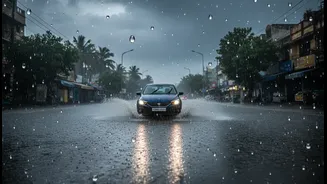
Navigating city streets during the monsoon is a test of patience and strategy. A 45-minute journey can easily stretch to two hours due to waterlogging and traffic jams. Start your planning the night before by checking multiple city-specific weather forecasts
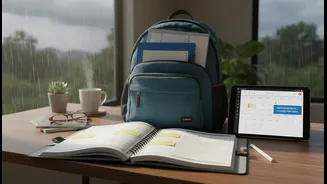
and traffic alerts. Apps like m-Indicator, Windy, and the IMD's MAUSAM can provide real-time updates on rain, flooding, and public transport status. Creating a 'monsoon kit' for your bag is another smart move. Include a sturdy umbrella, a lightweight raincoat, and waterproof footwear. Keeping a spare pair of dry socks and even a change of clothes at your workplace can make a world of difference to your comfort. Also, protect your electronics by keeping phones, wallets, and laptops in waterproof pouches or bags. Finally, allow for extra travel time; leaving even 30 minutes earlier can help you avoid the worst of the rush.
Safeguard Your Health and Wellness
The monsoon is a peak season for waterborne and vector-borne diseases like dengue, malaria, typhoid, and cholera. Stagnant water becomes a breeding ground for mosquitoes, and contaminated water sources increase the risk of infection. Prevention starts with simple, consistent habits. Drink only boiled or filtered water, and avoid street food, raw salads, and cut fruits, which have a higher risk of contamination. Wash your hands frequently with soap, especially after coming indoors and before eating. To prevent mosquito bites, use repellents, wear long-sleeved clothing, and ensure there is no stagnant water collecting in or around your home in places like flower pots or coolers. A strong immune system is your best defence, so focus on a balanced diet rich in vitamins, get adequate sleep, and drink warm fluids like herbal teas.
Fortify Your Home Against the Rain
Preparing your home can prevent major headaches during the monsoon. Before the rains intensify, check for and repair any leaks in the roof, walls, or windows. High humidity can lead to the growth of mould and mildew, so ensure your home is well-ventilated. Keep rooms dry and use natural air purifiers to maintain air quality. Power cuts are common during heavy downpours, so it's wise to have an emergency kit ready. This should include candles, a torch with extra batteries, a fully charged power bank, and a basic first-aid kit. A first-aid kit should contain essentials like antiseptic solution, bandages, pain relievers, and oral rehydration salts. Protecting wooden furniture from swelling due to moisture and ensuring electrical wiring is secure can prevent accidents and damage.
Leverage Technology to Stay Ahead
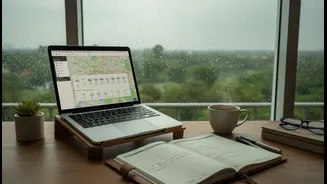
In today's digital age, your smartphone is a powerful tool for navigating the monsoon. Several apps provide crucial, real-time information. Government-backed apps like MAUSAM, Sachet, and FloodWatch India offer everything from weather forecasts and cyclone alerts to flood monitoring. For lightning alerts, the Damini app can provide warnings up to three hours in advance, which is particularly useful for those who work outdoors. For daily commuting in cities like Mumbai, apps such as m-Indicator provide live updates on local trains, buses, and traffic diversions. Global weather apps like Windy and AccuWeather offer detailed radar maps that let you see rain fronts approaching. Using these tools to plan your day can mean the difference between getting stranded and arriving safely.