






The Old Wisdom: When Rest Goes Wrong
For decades, the R.I.C.E. (Rest, Ice, Compression, Elevation) method was the undisputed champion of recovery. The logic seemed sound: if movement hurts, stop moving. While short-term rest is crucial, especially in the first 24 to 48 hours after an injury,
modern research shows that prolonged inactivity can be counterproductive. Staying completely still for days can lead to muscle weakening, joint stiffness, and reduced blood flow. This actually slows down the delivery of oxygen and nutrients your tissues need to repair themselves. In effect, too much rest can trap you in a cycle of deconditioning, where muscles become so weak that even returning to normal activity can risk re-injury.
The New Science: Embracing Active Recovery
Enter active recovery: the practice of performing low-intensity exercise following a strenuous effort. Instead of coming to a complete halt, you engage in gentle movement. The primary benefit is enhanced blood circulation. This increased blood flow helps to deliver oxygen to your muscles and more efficiently clear out metabolic waste products that contribute to soreness. While some once believed this was all about flushing out lactic acid, the benefits are now understood to be broader, including reducing inflammation and muscle tension. Studies have shown that active recovery can be more effective at reducing muscle pain than passive recovery, helping athletes and fitness enthusiasts feel better, faster.
Why Swimming Is the Ideal Recovery Tool
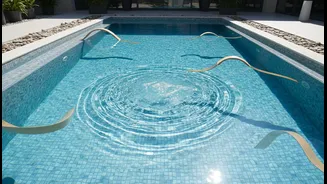
While a light walk or cycle can serve as active recovery, swimming offers a unique combination of benefits that make it particularly effective. The first is buoyancy. Water supports your body weight, which dramatically reduces stress and impact on your joints, bones, and sore muscles. This near-weightlessness allows for gentle movement and stretching that might be painful on land. Secondly, the water provides hydrostatic pressure. This is the force the water exerts on your body, acting like a full-body compression garment. This pressure helps reduce swelling and inflammation by encouraging blood and excess fluid to move from your tissues back into circulation. This process accelerates healing and can significantly shorten recovery times.
How to Structure a Recovery Swim
A recovery swim isn't about chasing personal bests. The goal is gentle, low-intensity movement. A structured session might last between 20 to 40 minutes, keeping your heart rate low. The focus should be on easy, continuous swimming rather than intense sprints. You can start with a short warm-up of very easy swimming, followed by a main set that incorporates different strokes to work various muscle groups. For example, freestyle is great for the upper body, while using a kickboard can help flush out tired legs. Some find that focusing on drills, like sculling (using only your hands), helps improve technique while keeping the effort minimal. The session should end with a cool-down of slow swimming or gentle stretching in the water.
Not Just for Elite Athletes
The concept of a structured recovery swim isn't just for professional athletes; it's beneficial for anyone who exercises. Whether you're sore from a weekend run, a new gym class, or a game of football with friends, a gentle swim can help ease stiffness and soreness. The relaxing, meditative quality of rhythmic swimming also has mental benefits, helping to lower stress and improve your mood after a tough physical effort. By rethinking the rest day as a recovery day, you can use the unique properties of water to help your body heal more effectively, allowing you to return to your regular activities feeling stronger and more refreshed.