




The Monsoon's Quiet Magic
The secret behind Kerala’s suddenly serene coastline is the arrival of the Southwest Monsoon, known locally as Edavappathi, which blankets the state from June to September. [3, 4] While many travelers might shy away from the rain, those in the know understand
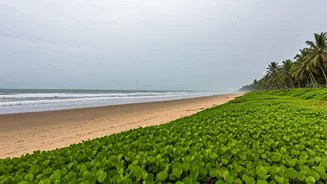
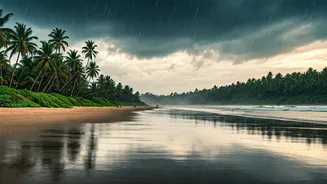
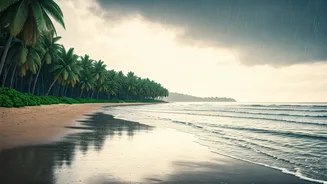
this is when 'God's Own Country' reveals a different, more profound kind of beauty. The typical tourist crowds thin out, leaving vast stretches of sand and sea for the few who venture out. [18] This isn't the kind of persistent, holiday-ruining rain; rather, it's a cycle of intense showers followed by sunny interludes that leave the landscape glistening and refreshed. [4] It’s a time when you can have popular spots like Kovalam or Varkala almost to yourself, experiencing the raw power and beauty of the rough monsoon sea from a safe distance. [13]
Why 'Off-Season' is the New 'In-Season'
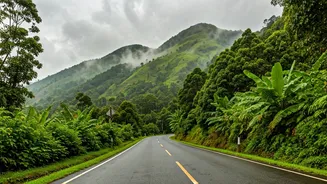
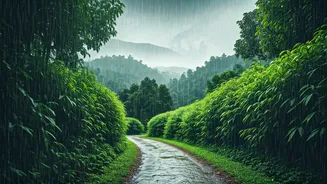
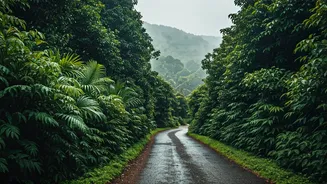
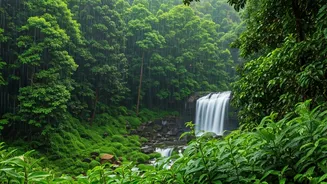
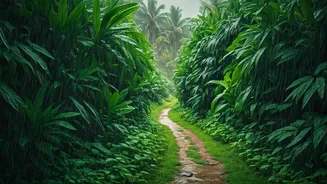
Traveling to Kerala during the monsoon is one of the smartest moves a budget-conscious wanderer can make. With fewer tourists, hotels and resorts often offer significant discounts on accommodation. [18, 21] This makes luxury stays, which might be out of reach during the peak winter season, suddenly accessible. Beyond the savings, the experience itself is richer. The atmosphere is dust-free and cool, the air is fragrant with the scent of wet earth, and the landscape is painted in the most vibrant shades of green imaginable. [3, 8] It’s a photographer’s dream and a nature lover’s paradise. Waterfalls like Athirappilly are at their majestic peak, and the backwaters of Alleppey or Kumarakom take on a mystical, romantic quality. [3, 16]
Where to Find Your Perfect Quiet Beach
While major beaches are quieter, for true solitude, venture to some of Kerala’s lesser-known gems. Marari Beach in Alappuzha is renowned for its clean, calm environment and is perfect for those seeking a peaceful retreat. [2, 10] For a unique landscape, Kappil Beach near Varkala offers the stunning sight of the sea on one side and the tranquil backwaters on the other. [2, 6] In the north, the coastline around Kannur and Kasaragod hides treasures like Thottada Beach, Meenkunnu Beach, and the expansive Bekal Beach, which offers the dual attraction of a historic fort overlooking the sea. [2, 5] These spots provide a more authentic glimpse into coastal life, far from the commercial hustle. [2, 11]
Embrace the Rains: Tips for Monsoon Travel
A monsoon trip requires slightly different preparation. While swimming in the rough seas is generally not advised, you can still enjoy long, contemplative walks on the beach. [13, 17] Pack light, quick-drying clothes and a reliable raincoat. Footwear-wise, opt for sturdy sandals or floaters. The main draw of the monsoon is the rejuvenation it brings—not just to nature, but to the body as well. According to Ayurvedic tradition, the monsoon is the ideal time for wellness therapies. [4] The cool, moist air is believed to make the body more receptive to treatments, and many resorts offer special rejuvenation packages during this season. [3, 4]
More Than Just a Beach Holiday
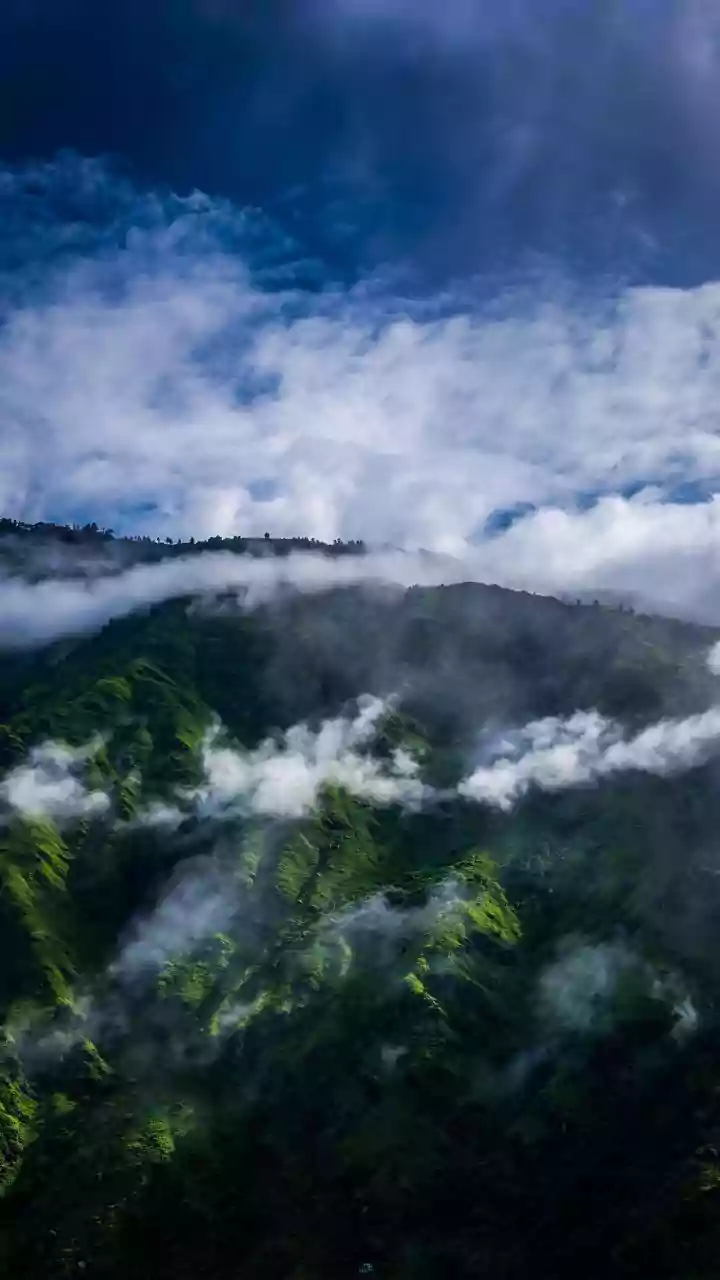
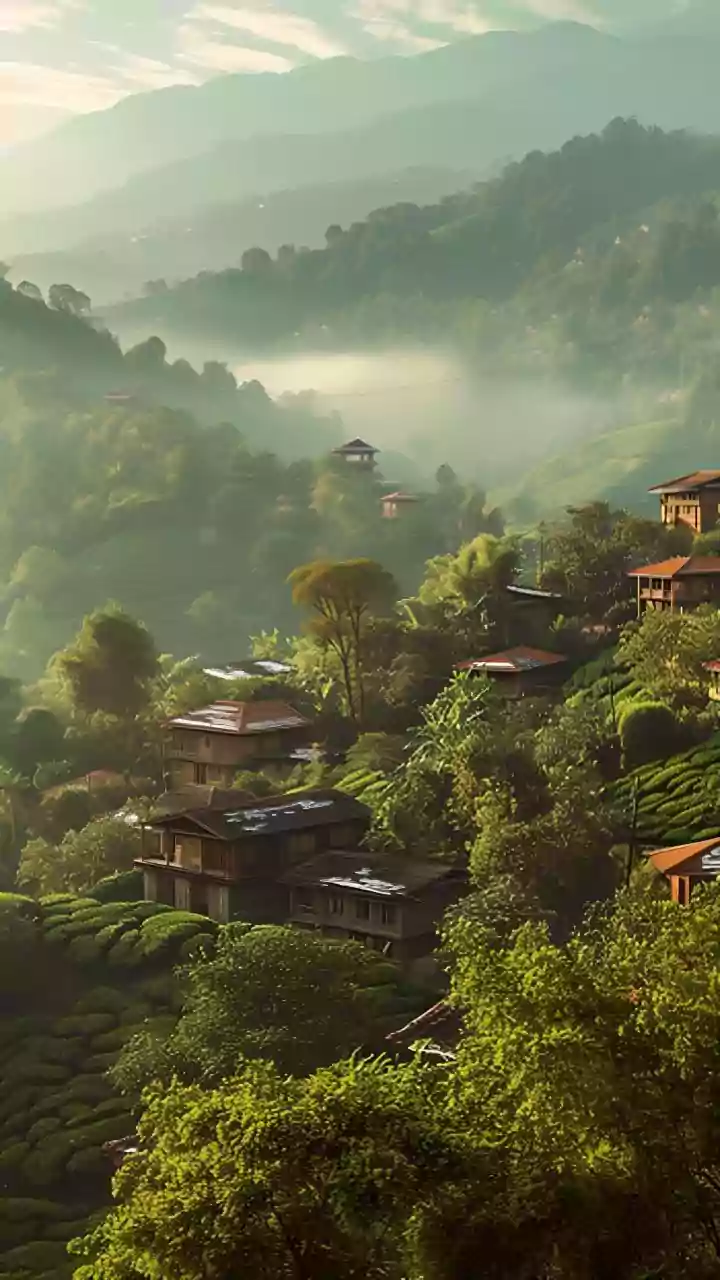
A quiet beach is just the beginning. The monsoon transforms all of Kerala. The backwaters offer a different kind of serenity as you drift in a houseboat, listening to the rhythm of the rain on the roof. [14, 16] The hill stations of Munnar and Wayanad become lush, mist-covered wonderlands, with tea plantations looking impossibly green. [15] Even tourism officials note that visitors, including a rising number of tourists from Arab nations, are increasingly drawn to the unique charm of the monsoon, preferring the moderate rains that keep the state green and beautiful without disrupting travel entirely. [12] This season offers a chance to connect with a quieter, more introspective side of Kerala, trading the frenzy of peak season for a soulful, restorative journey.