






What Exactly Is the Home Cooling Trap?
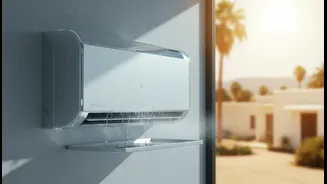
The logic seems simple: it gets hot, so we turn on the air conditioner. But the collective impact of millions of households doing this at the same time creates a complex problem. The 'home cooling trap' is a vicious cycle. Rising temperatures lead to
a massive increase in AC usage. This surge in demand puts immense pressure on India's electricity grid, which is often powered by burning fossil fuels. This, in turn, releases more greenhouse gases, contributing to global warming and making our cities even hotter through the 'urban heat island' effect. So, the very device we use to escape the heat is, on a larger scale, contributing to making the heat worse. This cycle is accelerating, with India expected to add 130-150 million new ACs over the next decade. Experts warn that without intervention, AC-driven peak power demand could nearly triple by 2035, risking power shortages as early as 2028.
The High Cost for Your Wallet and the Grid
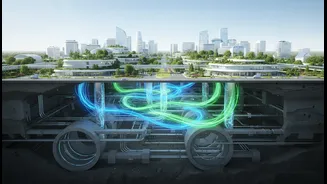
The trap isn't just environmental; it's economic. Air conditioners are among the most power-hungry appliances in a home. During peak summer months, they can be responsible for a huge chunk of your monthly electricity bill. This financial burden is significant for millions of middle-class families. On a national level, the cost is staggering. Meeting the soaring peak demand requires massive investments in power infrastructure—money that could be used for other development goals. Recent heatwaves have already pushed India's power generation to all-time highs, testing the limits of the grid. The India Cooling Action Plan (ICAP), launched in 2019, aims to tackle this by reducing cooling demand by 20-25% by 2037-38 through smarter, more efficient solutions.
Rethink Your Cooling: It's Not Just About the AC
Escaping the trap doesn't mean giving up comfort. It means adopting a smarter, multi-layered approach to cooling. Before you even touch the AC remote, several low-cost and no-cost strategies can dramatically reduce the heat inside your home. Many of these are modern adaptations of traditional Indian techniques that kept homes cool for centuries. The goal is to reduce the 'cooling load'—the amount of work your AC has to do. By combining passive cooling methods with mindful AC usage, you can maintain comfort while saving significant amounts of energy and money. This approach empowers you to take control of your home's environment, rather than simply reacting to the heat.
Practical Step 1: Block the Heat
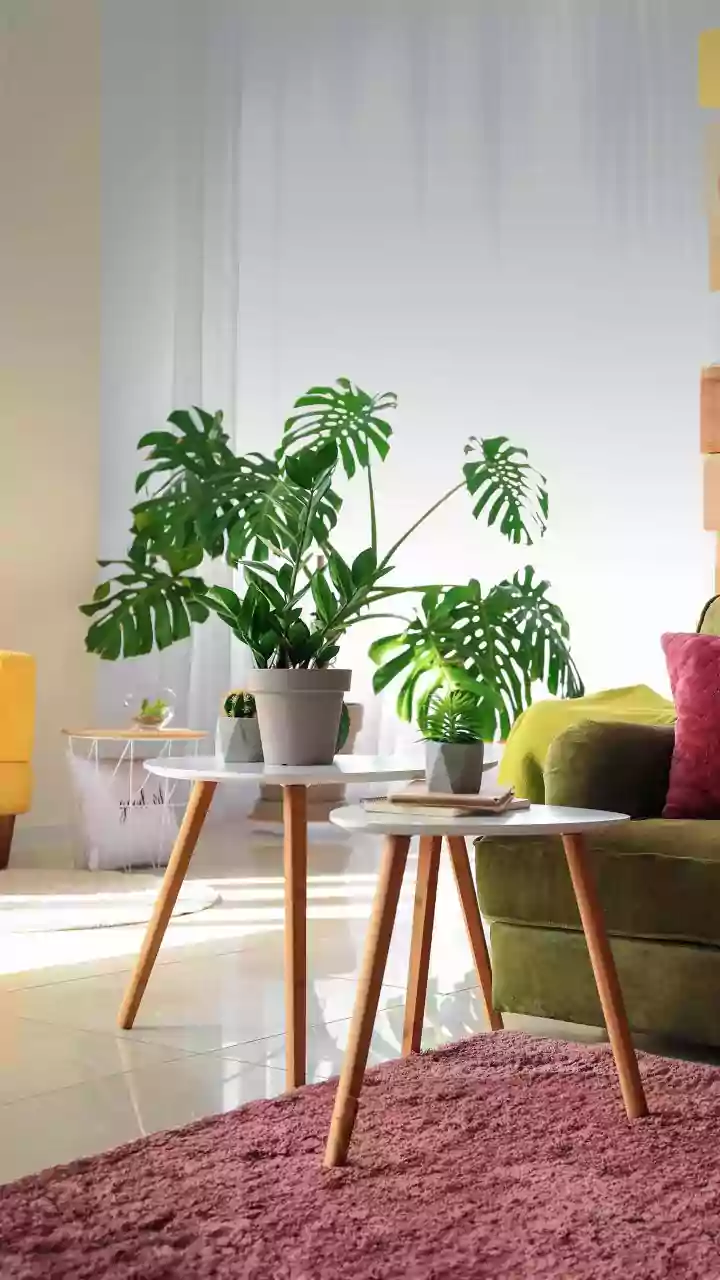
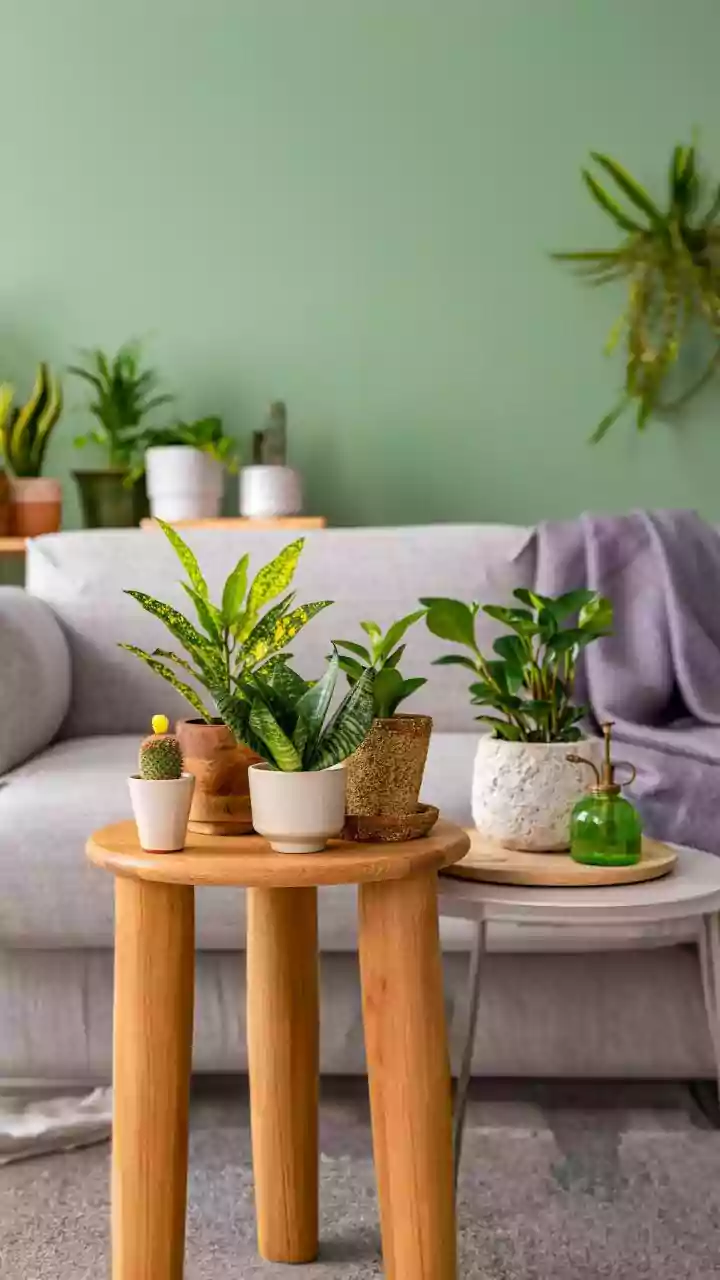
The first rule of staying cool is to stop the heat from getting in. During the hottest parts of the day, use thick, dark curtains or blinds to block direct sunlight, especially on west and south-facing windows. Sealing air leaks around windows and doors prevents hot air from creeping in and cool air from escaping. Externally, simple solutions like reflective white paint on the roof can reduce heat absorption. Even adding potted plants to balconies and windows can help create a cooler micro-environment through a process called evapotranspiration. In older buildings, traditional architectural features like jalis (perforated screens) and courtyards were designed for this very purpose, promoting airflow while providing shade.
Practical Step 2: Use Your AC and Fans Wisely
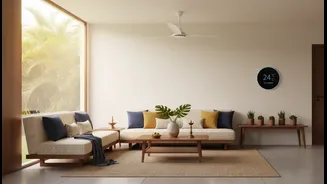
When you do use your AC, make it count. The Bureau of Energy Efficiency (BEE) recommends setting the thermostat to a default temperature of 24°C. For every degree you raise the temperature, you can save a significant amount on your electricity bill. Use a ceiling fan in conjunction with your AC; the fan helps circulate the cool air, making you feel cooler and allowing you to set the thermostat a few degrees higher. Clean your AC filters every few weeks, as dirty filters reduce efficiency and make the unit work harder, consuming more power. When buying a new AC, prioritize a high ISEER (Indian Seasonal Energy Efficiency Ratio) rating—a 5-star model is far more efficient than a 2-star one and will lead to substantial savings over its lifetime.
Practical Step 3: Embrace Natural and Low-Tech Cooling
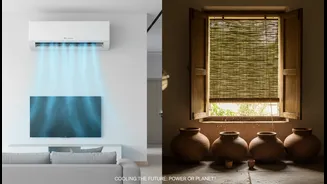
Don't underestimate the power of natural ventilation. Open windows on opposite sides of the house during the cooler early morning and late evening hours to create a cross-breeze that flushes out hot air. Traditional methods like using khus (vetiver) screens sprinkled with water can act as natural air coolers, reducing the temperature of incoming breezes through evaporation. Placing shallow bowls of water near a window can have a similar, albeit smaller, cooling effect. Even the ancient practice of using earthen pots (matkas) to cool water is based on the same principle of evaporative cooling, a technique that is being rediscovered by modern architects.