




Forget 'Diet Food,' Embrace Real Food
The first step to making healthy food taste good is to stop thinking about it as 'diet food'. The language of deprivation—cutting out, restricting, avoiding—sets us up for failure. Instead, let’s adopt a mindset of abundance. Think about what you can
*add* to your plate. More colour, more texture, more flavour. A traditional Indian thali is a perfect example of this philosophy in action. It’s not about a single, sad dish; it’s a vibrant, balanced ecosystem of dal, sabzi, roti, rice, and yogurt. Each component is delicious on its own, but together, they create a symphony of taste and nutrition. Health is not about subtraction; it’s about a joyful addition of whole, nourishing ingredients.
Your Masala Dabba is a Flavour Goldmine
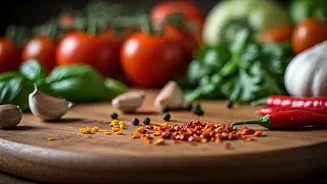
In the quest for healthy eating, your spice cabinet—your masala dabba—is your most powerful tool. Spices are the ultimate flavour hack: they add incredible depth, aroma, and complexity for virtually zero calories. We’re not just talking about chilli. Cumin adds an earthy warmth, coriander a citrusy brightness, and turmeric a gentle, peppery bitterness. A simple bowl of lentils can be transformed with a tadka of ghee, mustard seeds, and curry leaves. A boring vegetable stir-fry comes alive with a pinch of garam masala at the end. Instead of reaching for high-sodium sauces or pre-made dressings, learn to bloom your spices in a little oil to release their essential oils. This simple technique is the foundation of flavour in so much of Indian cooking, and it can be the foundation of your delicious, healthy kitchen.
Master a Few Key Techniques
How you cook is just as important as what you cook. Boiling and steaming have their place, but they often leach flavour and create a mushy texture. To unlock incredible taste, you need to master heat. Roasting vegetables like cauliflower, carrots, and sweet potatoes in a hot oven caramelises their natural sugars, making them intensely sweet and delicious. A high-heat stir-fry or 'bhuno' technique for your sabzi creates a beautiful char and texture while preserving the vegetable’s crispness. Grilling or pan-searing paneer, chicken, or fish creates the Maillard reaction—that savoury, browned crust that is pure flavour. These techniques don’t require a lot of oil, but they deliver a hundred times more satisfaction than a plate of pale, steamed broccoli.
Balance Flavours with Fat and Acid
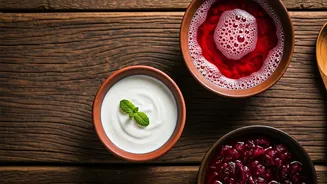
A common mistake in 'healthy' cooking is eliminating all fat and flavour enhancers. But a dish without them often tastes flat and unsatisfying. The key is to use the *right* kinds. A drizzle of good-quality oil, a dollop of thick yogurt, or a spoonful of ghee can make vegetables more appealing and help your body absorb fat-soluble vitamins. Even more important is acid. A simple squeeze of lemon or lime at the end of cooking can brighten an entire dish, making all the other flavours pop. Think about the role of amchur (dried mango powder) or tamarind in adding that tangy kick that makes you want another bite. These elements—healthy fats and bright acids—are what make food feel complete and satisfying.
Celebrate Fresh and Seasonal Ingredients
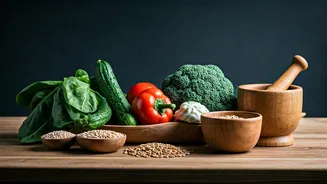
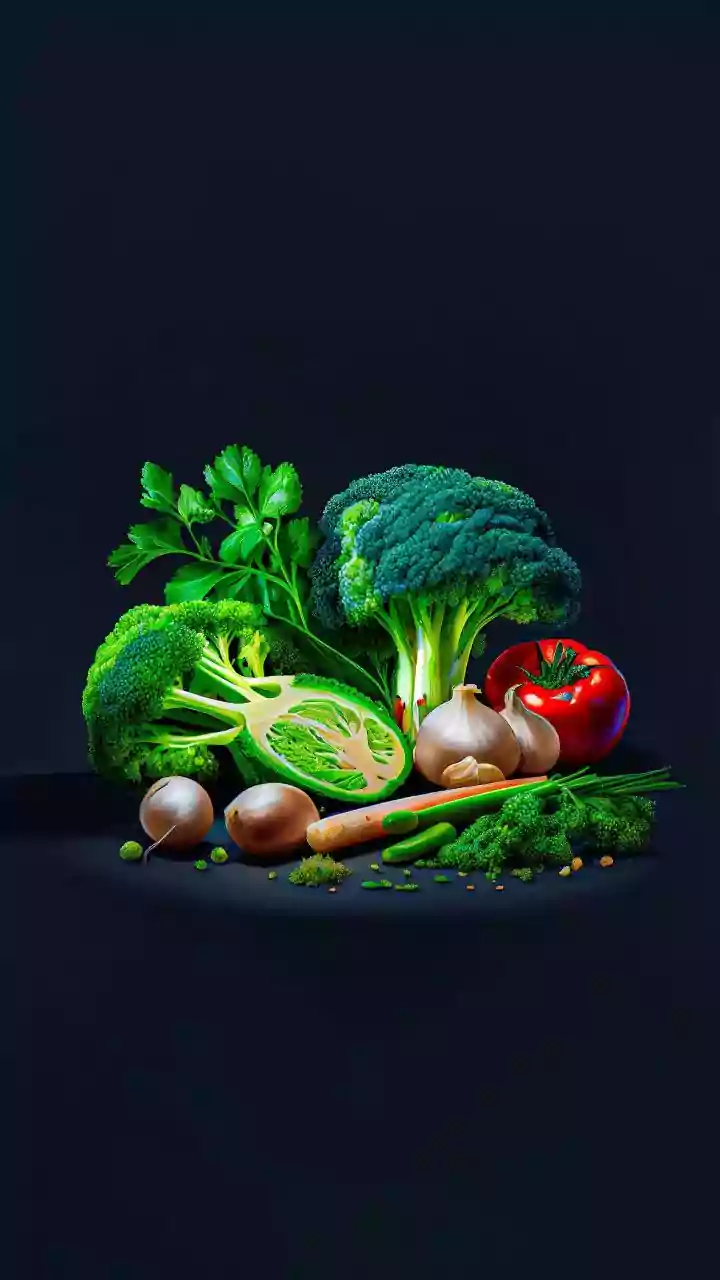
Ultimately, the most delicious healthy food starts with great ingredients. A perfectly ripe, seasonal tomato needs nothing more than a sprinkle of salt. Fresh, tender bhindi (okra) quickly stir-fried with turmeric and cumin is a delicacy. When you cook with what’s in season, you are getting produce at its peak of flavour and nutritional value. It’s also often more affordable. Instead of relying on processed foods that are engineered to taste good, train your palate to appreciate the subtle, natural sweetness of a fresh carrot or the crispness of a just-picked cucumber. This connection to real, whole food is the heart of a healthy and delicious life. Healthy doesn't have to be complicated; often, it’s about getting out of the way and letting good ingredients shine.