





The Great Debate: Rest vs. Active Recovery
For years, the fitness mantra was simple: after intense effort, you need a rest day. This passive approach, involving minimal physical activity, allows your body to repair muscle tissue and replenish energy stores. It’s a crucial component of any training
plan to prevent burnout and injury. However, a completely sedentary day isn't always the best answer. An alternative approach, known as active recovery, involves low-intensity exercise. The idea is to keep your body moving in a gentle way, which can often be more beneficial than coming to a complete halt.
What Exactly Is Gentle Movement?
Gentle movement, or active recovery, is any light physical activity that keeps your body moving without putting significant strain on it. The goal is to stimulate blood flow, which delivers oxygen and nutrients to your muscles and helps clear out metabolic waste products, like lactic acid, that contribute to soreness and stiffness. Think of it as a way to accelerate your body's natural repair processes. This increased circulation can help reduce inflammation, ease muscle soreness, and improve your overall readiness for your next challenging workout.
Listen to Your Body: The Deciding Factor
So, how do you choose? The key is learning to interpret your body's signals. A full rest day is non-negotiable if you are experiencing sharp, localized pain, signs of illness like a fever, or extreme exhaustion that interferes with daily life. These are signs your body is truly overtaxed and needs complete rest to heal. On the other hand, if you're dealing with general muscle soreness, stiffness that seems to lessen with movement, or mental fatigue, a gentle movement session is likely the better choice. An active recovery day can help work out the kinks, boost your mood, and keep your exercise habit consistent.
Your Gentle Movement Toolkit
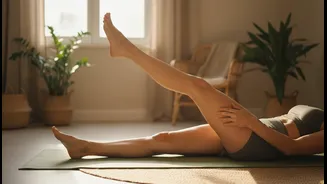
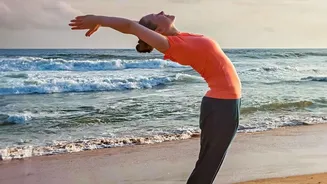
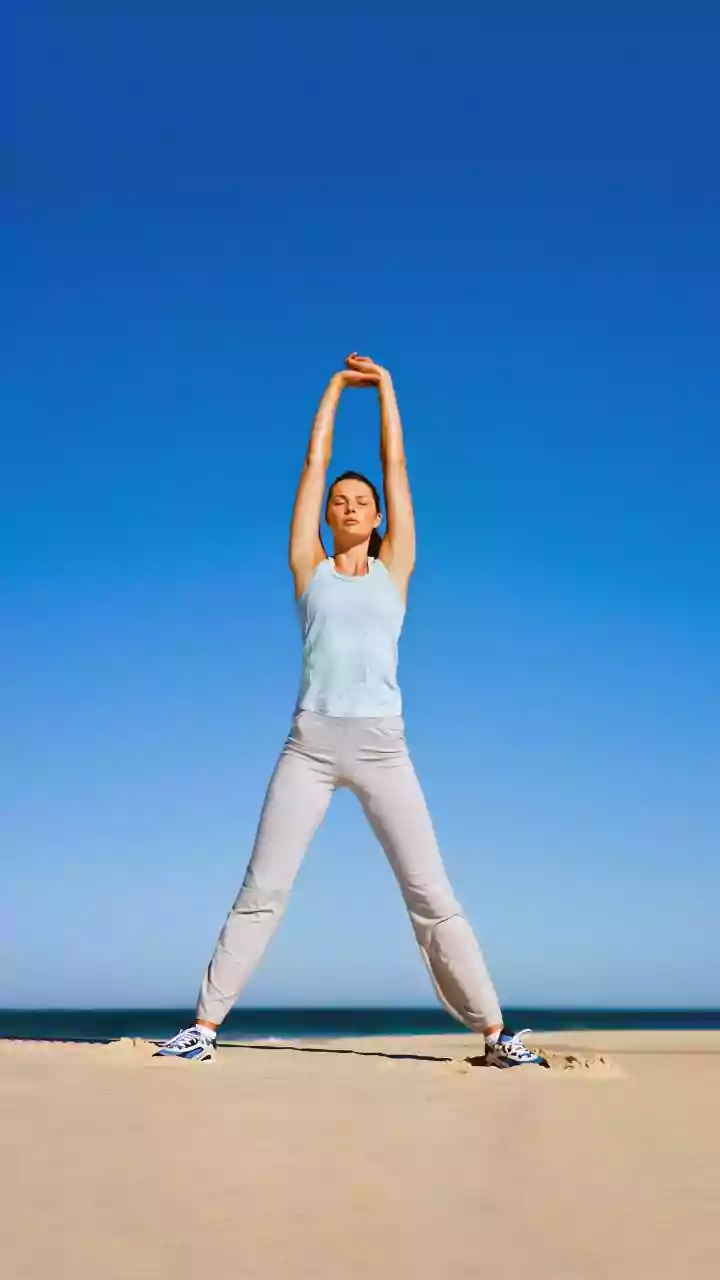
Building an active recovery day into your routine is simple. The key is to choose activities that are low-impact and feel restorative, not strenuous. You should be able to hold a conversation easily during the activity. Some excellent options include a brisk walk, a leisurely bike ride, or a gentle swim, which has the added benefit of being low-impact on your joints. Other great choices are restorative yoga, Tai Chi, or simple mobility and stretching exercises. Activities like foam rolling can also be incorporated to release tight spots and further improve blood flow. A 20 to 45-minute session is often enough to reap the benefits.