








The Invisible Crisis of Hidden Hunger
Hidden hunger is a lack of essential vitamins and minerals, or micronutrients, in a diet that may otherwise have sufficient calories. People can feel full but still be malnourished, leading to weakened immunity, impaired cognitive development, and reduced
productivity. In India, over 80% of the population suffers from at least one micronutrient deficiency, with iron, vitamin A, and zinc being common concerns. This issue is widespread, affecting not just the poor but also middle-class families whose diets have become increasingly reliant on a few staple crops like rice and wheat. The consequences are severe, contributing to higher health risks and limiting the potential of a large part of the nation's youth.
The Green Revolution's Double-Edged Sword
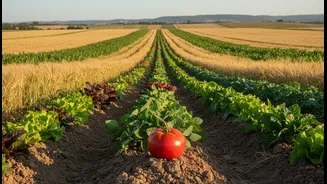
The Green Revolution was instrumental in making India food-secure by promoting high-yielding varieties of rice and wheat. However, this success led to agricultural monocultures, where vast farmlands are dedicated to a single crop. This focus, while boosting calorie production, has inadvertently narrowed our national food basket. Traditional, nutrient-dense crops like millets, pulses, and diverse local vegetables have been sidelined. This lack of dietary variety is a primary driver of hidden hunger, as no single staple crop can provide the full spectrum of micronutrients a human body needs to thrive.
Crop Diversity: The Natural Solution
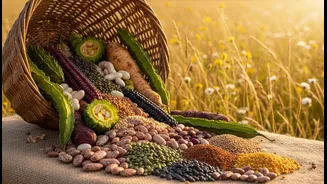
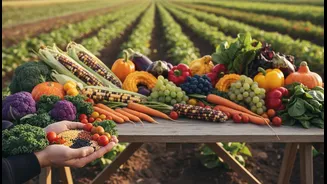
Crop diversity is the practice of cultivating a wide variety of plants, including different species and genetic strains. Instead of a field of only wheat, a diversified farm might rotate crops, plant multiple crops together (intercropping), or cultivate traditional, local varieties alongside modern ones. This approach brings a richer mix of nutrients to the table. Millets, for instance, are rich in iron and calcium. Pulses are a great source of protein and zinc. Local leafy greens offer a host of vitamins. By reintroducing this variety into our farms and onto our plates, we can directly combat the micronutrient deficiencies that define hidden hunger.
Building Resilience for a Changing Climate
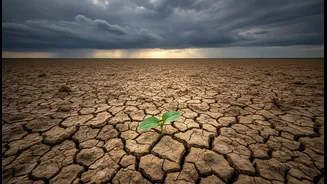
Beyond nutrition, crop diversity is a powerful tool for building resilience. Monocultures are highly vulnerable; a single pest, disease, or extreme weather event like a drought can devastate an entire harvest. A diversified farm, however, is like a well-balanced investment portfolio—risk is spread out. Different crops have different strengths; some tolerate drought, others resist specific pests, and their varied root systems can improve soil health. This makes the entire farming system more stable and better equipped to handle the shocks of a changing climate, ensuring a more reliable food supply and more stable income for farmers.
The Challenges and Path Forward
Despite the clear benefits, shifting towards crop diversity isn't simple. Farmers often stick with rice and wheat due to the guarantee of government procurement at a Minimum Support Price (MSP), a safety net not as robustly available for other crops. A lack of market linkages, underdeveloped supply chains for alternative crops, and limited access to quality seeds and knowledge are also significant barriers. To move forward, policies must create a more level playing field. Government initiatives like the Crop Diversification Programme (CDP) aim to encourage this shift, particularly in states like Punjab and Haryana. Strengthening Farmer Producer Organisations (FPOs) to handle aggregation and marketing, and increasing consumer awareness about the benefits of a diverse diet are also crucial steps.