






From Seeing Sights to Seeking Solitude
For decades, the standard holiday involved booking flights, seeing the sights, eating the food, and returning home with a camera full of photos and a need for another holiday just to recover. Today's young professionals and Gen Z travellers are rewriting
that script. They are consciously moving away from fast-paced, high-stress tourism towards slower, more intentional journeys. The goal is no longer to see as much as possible, but to feel something different and genuinely recharge. This shift prioritises balance over optimisation, focusing on experiences that nourish the body, mind, and spirit. It’s a departure from trips that leave you feeling more exhausted than when you left, driven by a growing awareness that rest isn't laziness, but essential maintenance.
Why the Shift Towards Wellness?
This trend is rooted in a larger cultural change, significantly accelerated by post-pandemic priorities. The realities of corporate burnout, digital overload, and constant connectivity have led many young Indians to view holidays not as an indulgence, but as a necessary tool for mental and physical well-being. There is a growing willingness to invest in travel that specifically addresses stress and emotional health. This reflects a new seriousness about mental wellness, treating it with the same importance as physical recovery. Travel offers a unique psychological spaciousness, providing a break from the routine and the expectations of everyday roles, which allows for deeper self-reflection and reconnection.
What a Modern Wellness Holiday Looks Like
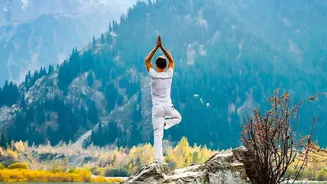
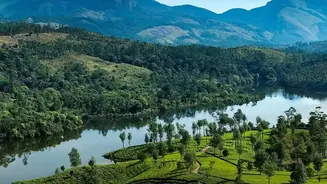
So, what does this new kind of holiday entail? The options are as diverse as India itself. It could mean a structured yoga program in Rishikesh, the world's yoga capital, or a clinical Ayurvedic treatment in Kerala, the birthplace of the ancient healing science. But wellness travel extends far beyond these traditional practices. It includes mindfulness and meditation at Buddhist centres in Dharamshala, or simply embracing a slower pace amidst the lush coffee plantations of Coorg. Even Goa, long famous for its parties, now boasts a thriving wellness scene with yoga studios, sound healing, and healthy cafes in areas like Palolem and Assagao. The intention is what separates these trips from conventional tourism; the destination might be the same, but the experience is entirely different.
The Ultimate Luxury: A Digital Detox
A defining feature of wellness travel for this generation is the deliberate act of unplugging. In a world of constant notifications and algorithmic pressures, the ability to be genuinely unreachable has become a coveted luxury experience. Many retreats now offer phone-free environments and limited Wi-Fi, which travellers see not as a deprivation, but as the entire point of the trip. The goal is to disconnect from the digital world to reconnect with oneself. This can range from a weekend digital detox to a 10-day silent retreat. This desire for disconnection is a powerful driver, with travellers seeking relief from the mental fatigue caused by being constantly online.
The Industry Catches On
The travel and hospitality industry has been quick to respond to this growing demand. India's wellness tourism segment is expanding significantly, with the market expected to reach over $26 billion by 2029. Luxury hotels, boutique resorts, and specialised travel operators are curating experiences that cater specifically to this new mindset. Offerings include personalised wellness programs based on individual health needs, from Panchakarma detoxes to stress management therapies. Recognising the potential, the Indian government has even launched initiatives like the "Heal in India" program and a dedicated AYUSH visa to promote the country as a premier global wellness hub.