






Understanding the Vrat Rules
Before packing your office tiffin, it’s essential to know the basics of a 'phalahar' vrat, the most common type of fast observed on Janmashtami. This typically excludes all grains like wheat and rice, lentils, onions, garlic, and regular table salt. Instead,
the focus is on fruits, dairy products, and specific non-cereal flours and starches such as sabudana (tapioca pearls), kuttu (buckwheat), singhara (water chestnut), and rajgira (amaranth). Sendha namak, or rock salt, is permitted for seasoning. With these rules in mind, planning your work meals becomes much simpler.
Fruit Chaat: The Easiest Power-Up
The simplest and most refreshing option is a colourful fruit chaat. It requires zero cooking and can be prepared in minutes before you leave for work. Chop up fruits like apples, bananas, pomegranates, and papayas. For a savoury twist, sprinkle some sendha namak and a pinch of black pepper powder. To make it more filling, you can add a handful of walnuts or almonds. It’s light, hydrating, and provides a natural burst of energy to beat the afternoon slump. Packing the chopped fruits and seasoning separately can keep the chaat from getting soggy.
Roasted Makhana: The Crunchy, Guilt-Free Snack
Makhana, or fox nuts, are a fasting superstar. They are light, crunchy, and incredibly easy to prepare and carry. Simply roast a cup of makhana in a teaspoon of ghee until they are crisp. Toss them with a little sendha namak and black pepper, and your portable snack is ready. They are a great source of carbohydrates and protein, helping you feel full and satisfied between meals. Unlike fried snacks that can leave you feeling heavy and lethargic, roasted makhana offers a guilt-free crunch you can enjoy right at your desk.
Sabudana Khichdi: The Classic Comfort Meal
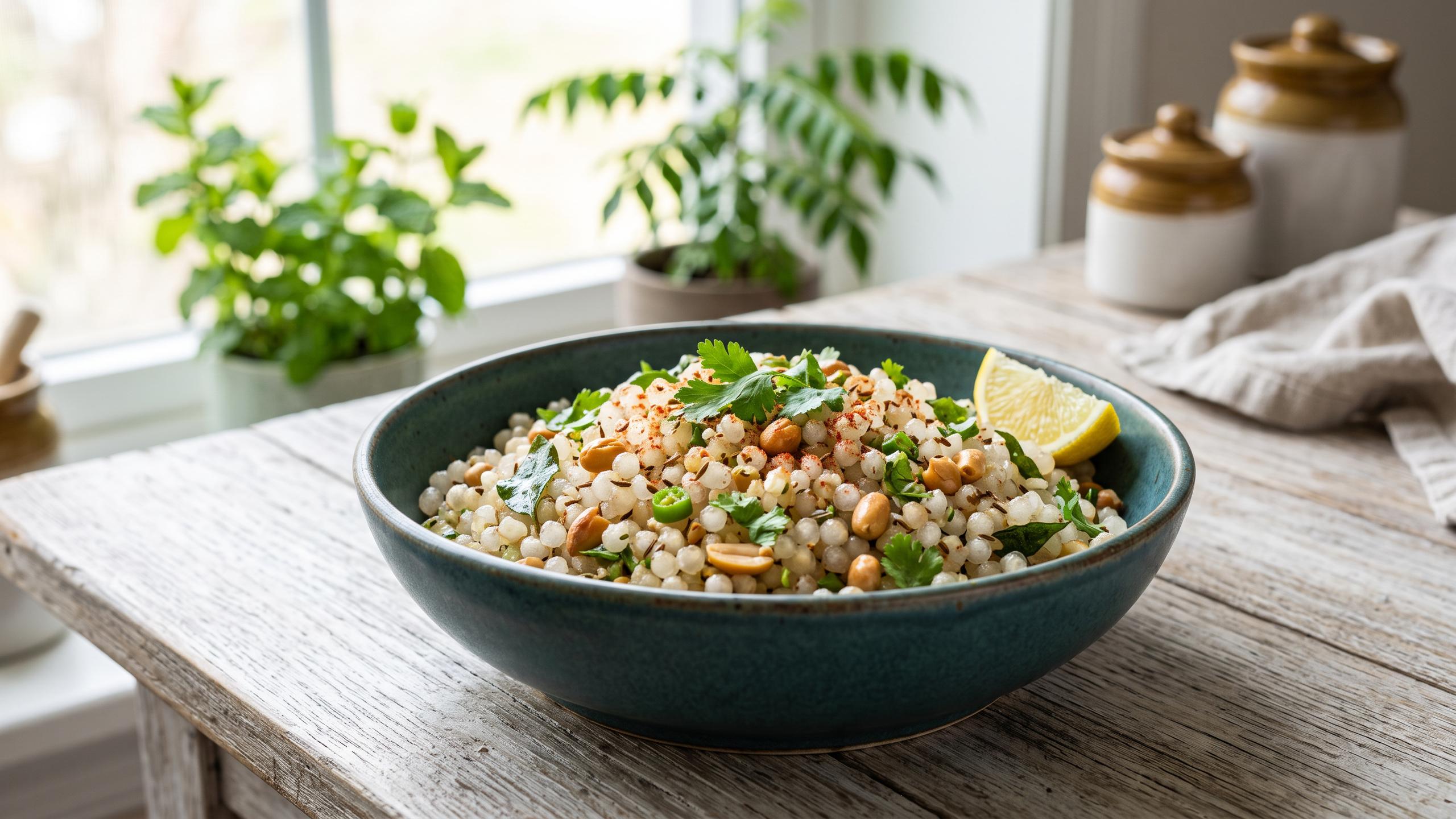
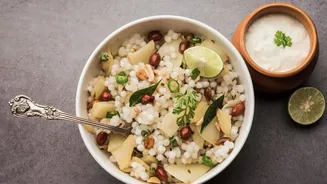
Sabudana khichdi is a beloved fasting staple for a reason. It’s wholesome, flavourful, and provides sustained energy. To make it office-friendly, prepare it in the morning with soaked sabudana, boiled potatoes, roasted peanuts, and spices like cumin and green chillies, using sendha namak for salt. The key is to ensure it’s not too oily. A well-made, non-sticky khichdi tastes great even at room temperature. The combination of carbohydrates from sabudana and potatoes, along with protein and healthy fats from peanuts, makes it a balanced meal.
Sweet Potato Chaat: A Tangy and Filling Treat
Often overlooked, sweet potatoes (shakarkandi) are a fantastic fasting food that's both nutritious and filling. You can boil them a day in advance. In the morning, just peel, chop, and prepare a simple chaat. Add a squeeze of lemon juice, sendha namak, and roasted cumin powder for a tangy flavour. It's a satisfying dish that can be eaten as a mini-meal. Sweet potatoes provide complex carbohydrates, which release energy slowly and keep hunger pangs at bay during a long workday.
Yoghurt and Smoothies: Hydration and Nutrition Combined
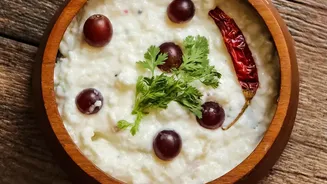
Dairy products like yoghurt (curd) are permitted and highly recommended during the fast. A simple bowl of plain dahi can be very cooling and refreshing. You can also blend it with banana, a few dates for sweetness, and a pinch of cardamom to create a delicious and portable smoothie. This not only keeps you hydrated but also provides protein and electrolytes to maintain your energy levels. A smoothie is particularly convenient at work as it requires no heating and can be sipped easily.
Dry Fruits and Nuts: The Instant Energy Handful
Never underestimate the power of a simple trail mix. A small container filled with almonds, walnuts, cashews, dates, and raisins can be a lifesaver when you need a quick energy boost. This mix is packed with healthy fats, protein, and natural sugars that provide instant and sustained energy. It's the perfect, no-fuss snack to keep in your drawer for those moments when you feel your energy dipping but a full meal is still hours away.