

Understanding the 'Danger Zone'
The core principle of food safety is keeping food out of the 'temperature danger zone'. This is the temperature range between 4°C and 60°C, where bacteria like Salmonella, E. coli, and Listeria can multiply rapidly. The goal of batch cooking safely is to
minimise the time your food spends in this zone. Improperly cooled or stored food can become a breeding ground for these pathogens, which can cause symptoms ranging from stomach cramps and diarrhoea to more severe illness, especially in children, the elderly, or those with weakened immune systems. Unlike spoilage bacteria that make food smell or taste bad, these harmful pathogens are often undetectable by sight, smell, or taste.
The Golden Rule: Cool Food Quickly
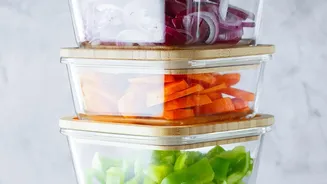
One of the biggest mistakes in meal prep is leaving large batches of hot food on the counter to cool down before refrigerating. Food should be cooled and refrigerated within two hours of being cooked. To do this safely and quickly, you must get the food out of the danger zone as fast as possible. Instead of leaving a large pot of dal or sabzi out, divide the contents into smaller, shallow containers. This increases the surface area and allows heat to escape much faster. Spreading rice or quinoa on a baking sheet is another effective method. For soups and curries, an 'ice bath' works wonders: simply place your smaller container of hot food into a larger bowl of ice and water, stirring the food periodically to speed up the cooling process.
Smart Storage: The Four-Day Guideline
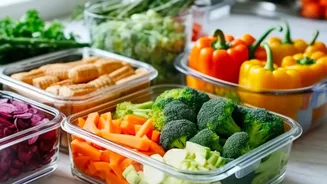
A twice-weekly cooking schedule aligns perfectly with food safety guidelines. Most cooked leftovers should be consumed within three to four days when stored correctly in the refrigerator. Cooking on a Sunday gives you meals for Monday, Tuesday, and Wednesday. A second, smaller cook on Wednesday evening covers you for Thursday and Friday. This approach avoids the risk of eating five- or six-day-old food. Always store food in airtight containers to prevent cross-contamination and maintain quality. Keep raw meat and poultry on the bottom shelf of your fridge to prevent their juices from dripping onto cooked foods. Labelling containers with the date prepared is a simple habit that removes any guesswork later in the week.
Reheat with a Purpose
When it's time to eat your prepped meals, reheating isn't just about making the food warm; it's about making it safe. All leftovers should be reheated to an internal temperature of at least 74°C (165°F) to kill any bacteria that might have developed. Use a food thermometer to be sure. When using a microwave, cover the food and stir it midway through to ensure there are no cold spots where bacteria can survive. Soups, sauces, and gravies should be brought to a full, rolling boil on the stovetop. Importantly, you should only reheat a portion once. Do not cool and refrigerate food that has already been reheated.
Don't Forget Basic Hygiene
Food safety during batch cooking also relies on the basics of kitchen hygiene. Prevent cross-contamination by using separate cutting boards and utensils for raw meat and vegetables. If you only have one board, wash it thoroughly with hot, soapy water between tasks. Wash your hands frequently, especially after handling raw ingredients like chicken or meat, before you touch ready-to-eat items. These simple steps are just as critical as proper cooling and storage in ensuring your convenient meals are also safe to enjoy throughout the week.