





Understanding the Great Retreat
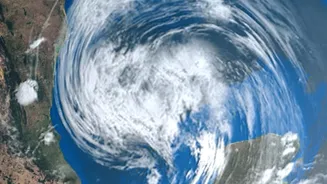
The monsoon withdrawal is not like flipping a switch. It is a slow, phased retreat of the moisture-laden southwest monsoon winds. This process begins when specific meteorological conditions are met. According to the India Meteorological Department (IMD),
the withdrawal cannot start before September 1st and is declared only after criteria like five continuous days without rain, a change in wind patterns, and a drop in atmospheric moisture are observed. This gradual retreat starts from the northwestern parts of the country and moves southeast over several weeks, meaning Delhi might be dry while Kerala is still experiencing rain.
The Typical September Timeline
The withdrawal process typically begins from west Rajasthan around the middle of September. From there, the line of withdrawal moves progressively southeast. By the end of September, it has often cleared much of North and Central India. However, this timeline is not fixed and can be influenced by other atmospheric conditions. For 2026, while cloud cover has reduced dramatically, the formal withdrawal process is anticipated to start after September 15th, with conditions becoming more favourable around September 21st.
North & West India: Clear Skies Ahead
For regions like Rajasthan, Punjab, Haryana, and Delhi, September brings a noticeable end to the rains. You can expect more sunshine, clearer skies, and a drop in humidity. However, this also leads to a rise in daytime temperatures, a phenomenon often called the 'October Heat' which can sometimes begin in late September. While rainfall in Delhi-NCR is declining, some weather systems might still bring occasional light showers. This period is generally excellent for sightseeing in places like the Golden Triangle, with fewer crowds and better prices.
Central & East India: A Mixed Bag
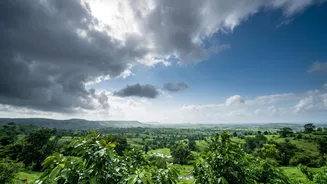
In Central and Eastern India, the monsoon lingers longer. States like Madhya Pradesh, Uttar Pradesh, Bihar, and Odisha may still receive significant rainfall in September, sometimes in intense bursts. For 2026, the IMD has noted that active weather systems are shifting heavy rain towards these regions early in the month. The landscape remains lush and green from the preceding rains, but residents should remain alert for localised flooding and weather disruptions.
South India: A Tale of Two Monsoons
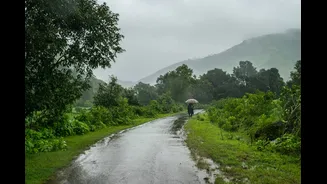
The experience in the South is different. While the southwest monsoon weakens, the southern peninsula prepares for the northeast monsoon, which typically arrives later in the year. In September, Kerala and the western coast may still see the tail end of the southwest monsoon showers. For Tamil Nadu, this month can be a brief, relatively drier pause before the onset of the northeast monsoon, which provides the region with a significant portion of its annual rainfall from October to December. Subdued rainfall activity is expected across Peninsular India for the early part of September 2026.
Your Health & Home Checklist
The transition period is critical for health. The combination of moist land and rising temperatures can lead to an increase in mosquito breeding, heightening the risk of diseases like dengue and malaria. It's essential to prevent water stagnation around your home. Inside, focus on keeping the house dry and ventilated to prevent fungal growth. Boost your immunity with warm, freshly cooked meals and herbal teas, and be cautious with street food. This is also a good time to check for and repair any dampness or leaks in your home before the drier winter air sets in.