



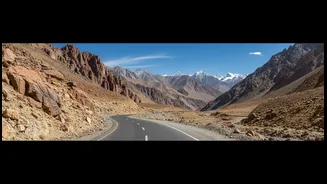


The Rain Shadow Secret
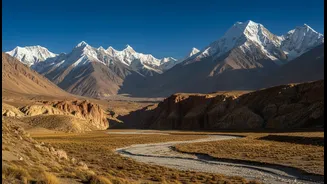
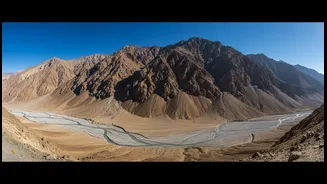
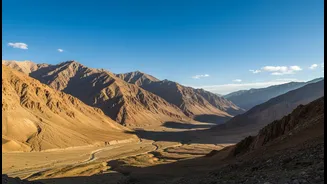
The magic of visiting Spiti and Ladakh during the monsoon lies in a simple geographical phenomenon: the rain shadow effect. Tucked away behind the formidable Himalayan ranges, both regions are shielded from the moisture-laden monsoon clouds that drench
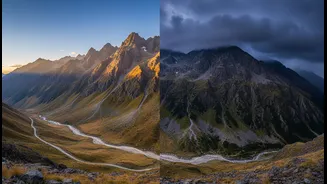
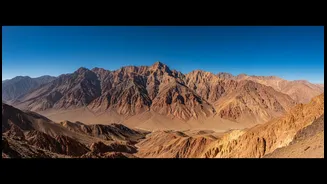
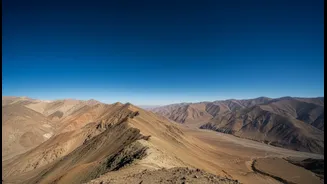
the rest of the subcontinent. While other hill stations contend with downpours and landslides, Spiti and Ladakh remain remarkably dry and sunny. This unique climate makes July and August an ideal time to explore these landscapes, offering clear views, pleasant weather, and a different perspective on mountain travel.
Ladakh: Land of High Passes and Blue Lakes
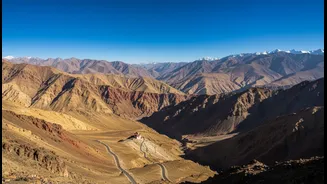
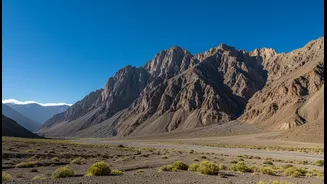
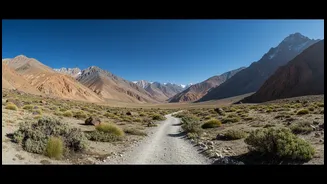
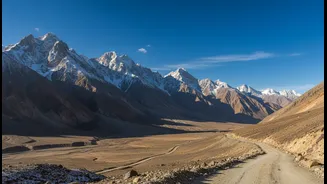
Often called 'Little Tibet', Ladakh transforms beautifully during the monsoon months. The occasional light drizzle washes the dust off the stark landscape, revealing surprising patches of green and blooming wildflowers against the barren mountains. For travellers, this season offers distinct advantages. The tourist crowds of peak summer have thinned, meaning you can experience iconic sights like Pangong Tso and the Nubra Valley with a sense of tranquility. The daytime temperatures are comfortable, hovering between 20°C and 30°C in Leh. Adventure activities like white-water rafting on the Indus and Zanskar rivers are also in full swing. The primary challenge lies not within Ladakh itself, but in getting there. The approach roads from Manali and Srinagar can be susceptible to rain-induced landslides in the lower reaches. For a hassle-free journey, flying directly into Leh is the most reliable option.
Spiti: A World Within a World
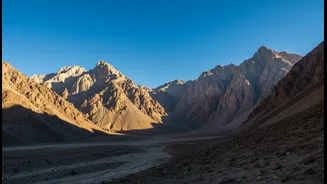
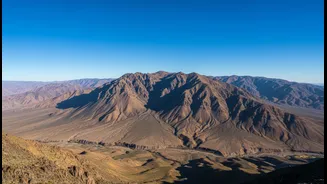
If Ladakh is an accessible wonder, Spiti Valley is its rawer, more untamed sibling. Situated in Himachal Pradesh, Spiti also enjoys a dry monsoon season. The light rainfall it receives is just enough to carpet parts of the valley in a delicate green, creating a stunning contrast with the mud-brick monasteries and arid peaks. A monsoon trip to Spiti is for the true adventurer. The journey itself is a significant part of the experience, with the approach from either Shimla or Manali presenting its own set of challenges and rewards. The Shimla-Kinnaur route is generally considered more stable, though not immune to monsoon disruptions. Once in the valley, you'll find fewer tourists, allowing for more profound cultural immersion. Spend time in ancient monasteries like Key and Tabo, stay in a local homestay to experience Spitian hospitality, and witness the surreal landscapes of villages like Langza and Komic.
Ladakh or Spiti: How to Choose Your Sunshine Escape?
Your choice between Ladakh and Spiti depends entirely on your travel style. Choose Ladakh if you prefer more comfort and accessibility. With its direct flight connectivity and a wider range of hotels and amenities, it's well-suited for families, first-time high-altitude travellers, and those on a tighter schedule. The attractions are more spread out but are connected by improving infrastructure. Choose Spiti if you are seeking a rugged road trip and a more offbeat adventure. The journey requires more time and a willingness to embrace uncertainty, as road conditions can be unpredictable. Spiti offers a deeper sense of isolation and cultural immersion, rewarding travellers who are prepared for a more challenging but intimate experience.
Essential Monsoon Travel Tips
Whichever destination you pick, high-altitude travel during this season requires careful planning. Always build buffer days into your itinerary to account for potential road closures or delays. Acclimatization is crucial to prevent Acute Mountain Sickness (AMS); spend at least a day or two at your first high-altitude stop before proceeding higher. Pack in layers, including warm jackets for chilly nights and a light rain jacket for the journey. Before starting any road journey, check the latest road status updates from official sources like the Border Roads Organisation (BRO). Finally, hire experienced local drivers who are familiar with the terrain and the nuances of monsoon travel in the Himalayas.