






What Exactly Is Compost Tea?
Think of compost tea as a probiotic drink for your plants. It’s a liquid extract made by steeping finished, high-quality compost in water. The process doesn’t just pull out water-soluble nutrients; it multiplies the vast population of beneficial microorganisms—bacteria,
fungi, protozoa, and nematodes—that live in the compost. When you apply this tea to your plants, you’re delivering a live culture that improves soil health and nutrient absorption. It's different from the brown liquid that sometimes leaks from the bottom of a compost bin, which is called leachate and can contain harmful pathogens. Properly brewed compost tea is a controlled, intentional process designed to cultivate the good stuff.
Why Your Balcony Garden Needs It
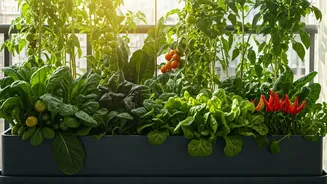
Plants in containers, like those on a balcony, exist in a closed ecosystem. Their soil can quickly become depleted of nutrients and microbial life. Compost tea replenishes this vital ecosystem in several ways. First, it provides a gentle, easily absorbed dose of nutrients, reducing the risk of the chemical 'burn' that synthetic fertilisers can cause. Second, the beneficial microbes go to work in the soil, improving its structure and helping your plants’ roots access nutrients that are already present but locked away. Finally, when sprayed on leaves (a foliar feed), the microbes can form a protective biofilm on the leaf surface, making it harder for pathogenic fungi and bacteria to take hold. It's a holistic approach that feeds the soil, which in turn feeds the plant.
The Simple Homemade Recipe
Making a basic batch of compost tea is surprisingly easy and requires no special equipment. This recipe is for a simple, non-aerated tea, which is perfect for beginners.
You will need:
- A 20-litre bucket
- 15-20 litres of non-chlorinated water (you can leave tap water out for 24 hours to allow the chlorine to evaporate)
- About 4-5 cups of high-quality, fully finished compost (it should smell sweet and earthy, not sour)
- A permeable bag, like an old pillowcase, a jute sack, or a few layers of cheesecloth
- A stick for stirring
The quality of your compost is the most important factor. Use a mature, biologically active compost pile or high-grade vermicompost (worm compost) for the best results.
How to Brew Your Liquid Gold
Once you have your ingredients, the process is straightforward. First, place your compost into the permeable bag and tie it securely, creating a giant 'tea bag'. Next, place the bag into your bucket of non-chlorinated water, ensuring it is fully submerged. Let the compost steep for 24 to 48 hours. Stir the brew vigorously a few times a day to help release the microbes and nutrients into the water. Keep the bucket in a shaded spot, as direct sunlight can harm the microorganisms. After a day or two, the water should have turned a rich, brown colour, like weak tea. Your compost tea is now ready. Remove the bag, squeezing out any excess liquid back into the bucket. The leftover compost can be added directly to your pots or back to your main compost pile.
Dilution and Application for Best Results
Pure compost tea is potent, so you must dilute it before use. A good rule of thumb is a 1:10 ratio—one part compost tea to ten parts non-chlorinated water. For example, mix 1 cup of tea with 10 cups of water. For best results, use the tea immediately, as the beneficial microbes have a limited lifespan once they run out of food and oxygen in the bucket.
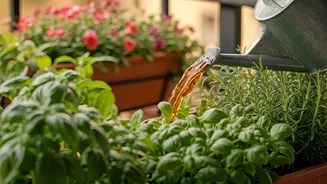
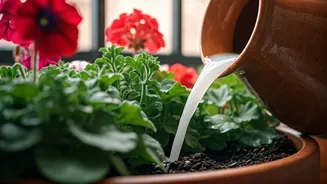
There are two great ways to apply it. You can use a watering can to drench the soil around the base of your plants. This directly feeds the root zone. Alternatively, for a foliar spray, pour the diluted tea into a clean spray bottle and mist the tops and undersides of the leaves. The best time to spray is in the early morning or late evening when the sun is not strong, as this allows the leaves to absorb the liquid without scorching. Apply every 2-4 weeks during the growing season to keep your balcony garden looking lush and supercharged.