





The Real Cost of Wasted Food
It’s an all-too-common scenario: a forgotten vegetable wilting in the fridge, leftovers that never get eaten, or a promotional ‘buy one, get one free’ offer that ends up in the bin. While it may seem like small amounts, the cost quickly adds up. In India,
households are the single largest source of food waste, contributing to over 60% of the total. According to the United Nations Environment Programme, the average Indian household wastes approximately 50-55 kg of food per person every year. This translates to a staggering national economic loss running into crores of rupees annually. For an individual family, this represents a significant chunk of the monthly budget that is literally being thrown away. But by turning our attention from the bin back to the pantry, we can reclaim that lost value.
Plan Your Meals, Plan Your Savings
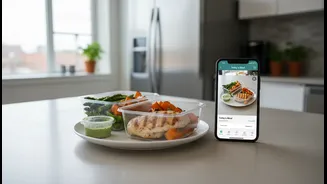
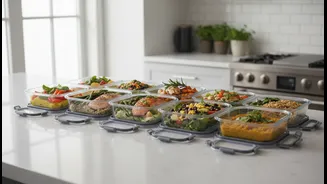
The most effective strategy to combat food waste begins before you even step into the grocery store. Meal planning is your secret weapon. Take 30 minutes each week to decide what you’ll eat for the next few days. Check your pantry, fridge, and freezer first, and build meals around ingredients you already have. This simple habit prevents impulse buys and stops you from purchasing duplicate items. Create a detailed shopping list based on your meal plan and, most importantly, stick to it. A list turns a potentially expensive, overwhelming trip into a targeted, efficient mission. And a classic piece of advice holds true: never shop on an empty stomach, as hunger can lead to impulsive purchases of things you don't need.
Smart Storage for Longer Shelf Life
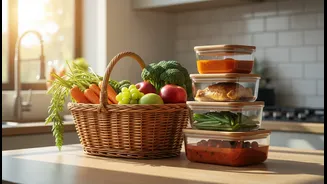
How you store your food is just as important as how you buy it. Proper storage can dramatically extend the life of your groceries. Learn which fruits and vegetables thrive in the refrigerator and which prefer a cool, dark pantry. For example, store leafy greens with a paper towel to absorb excess moisture, and keep onions and potatoes separate to prevent sprouting. Implement the “First-In, First-Out” (FIFO) rule: place newer items at the back of your fridge and pantry, so you use up the older ones first. Your freezer is also a valuable ally. If you have produce that's about to go bad or leftovers you won't eat in time, freezing them presses the pause button on decay, locking in nutrients and flavour until you're ready to use them.
Embrace the ‘Use-It-All’ Mindset
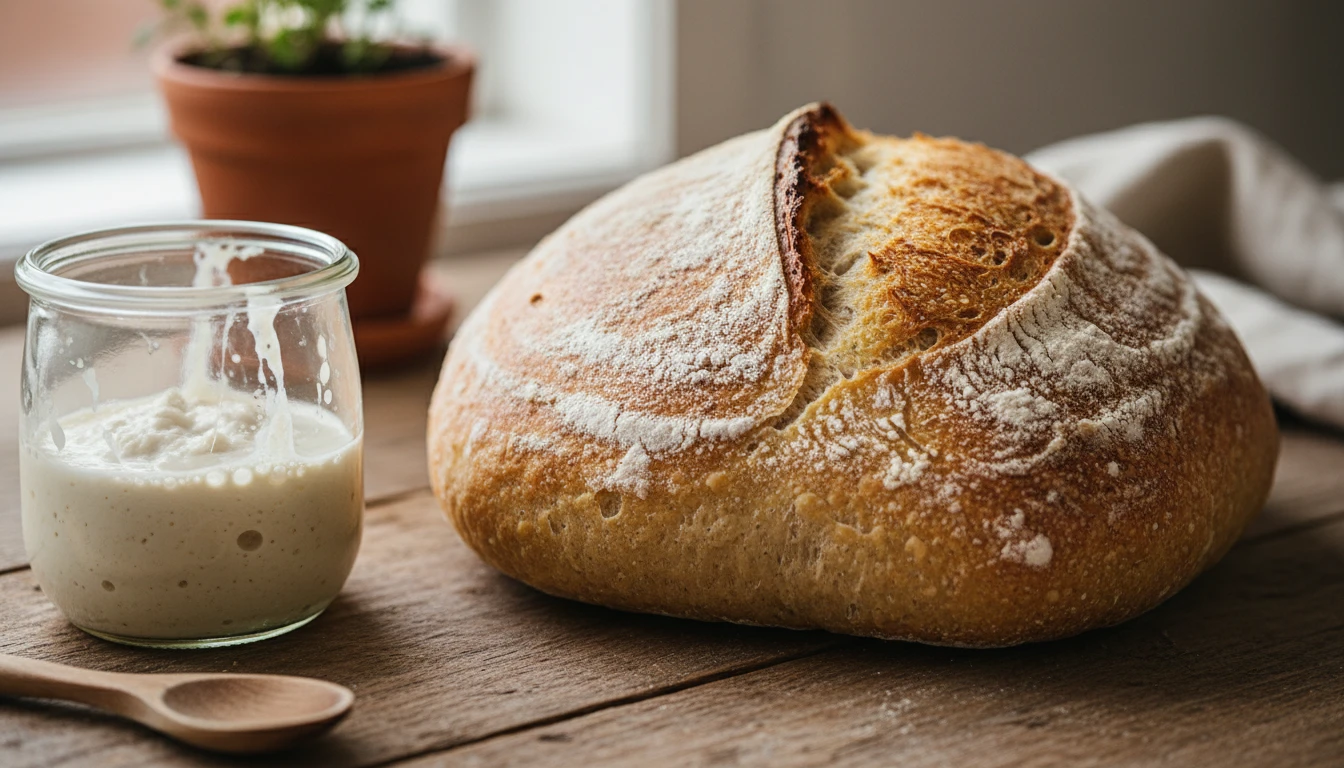
Before you toss those vegetable peels, herb stems, or stale bread ends, think again. Many of the parts of food we typically discard are perfectly edible and flavourful. Collect vegetable scraps like onion skins, carrot peels, and celery ends in a bag in your freezer; once you have enough, you can simmer them to create a free, delicious homemade vegetable broth. Stale bread can be revived in the oven or blitzed into breadcrumbs for coating cutlets or thickening sauces. Wilted greens can be thrown into soups, dals, or a sabzi. Getting creative with leftovers is another game-changer. Last night’s roast chicken can become today’s sandwich filling, and leftover dal can be used to make parathas.
Small Changes, Big Financial Impact
By adopting these habits—planning your meals, shopping smart, storing food correctly, and using every part of what you buy—you are not just reducing waste; you are actively trimming your grocery bill. The savings from buying only what you need and consuming everything you buy can be substantial. Even reducing your household food waste by 20-25% could put a significant amount of money back into your pocket each month. That saved cash can be redirected towards other family goals, savings, or investments. It’s a direct and tangible reward for a more mindful approach to food.