
The Monsoon's Unpredictable Fury
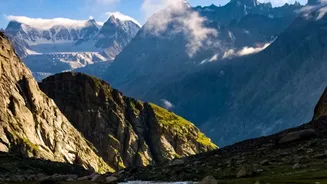
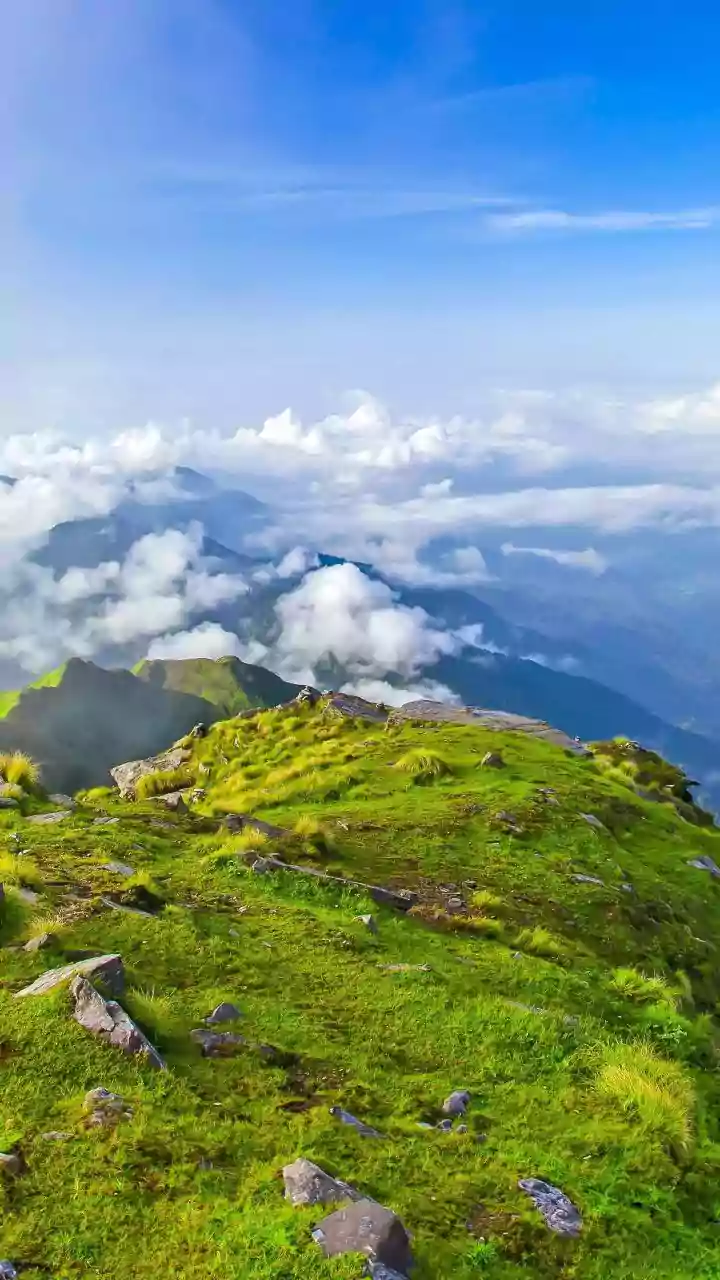
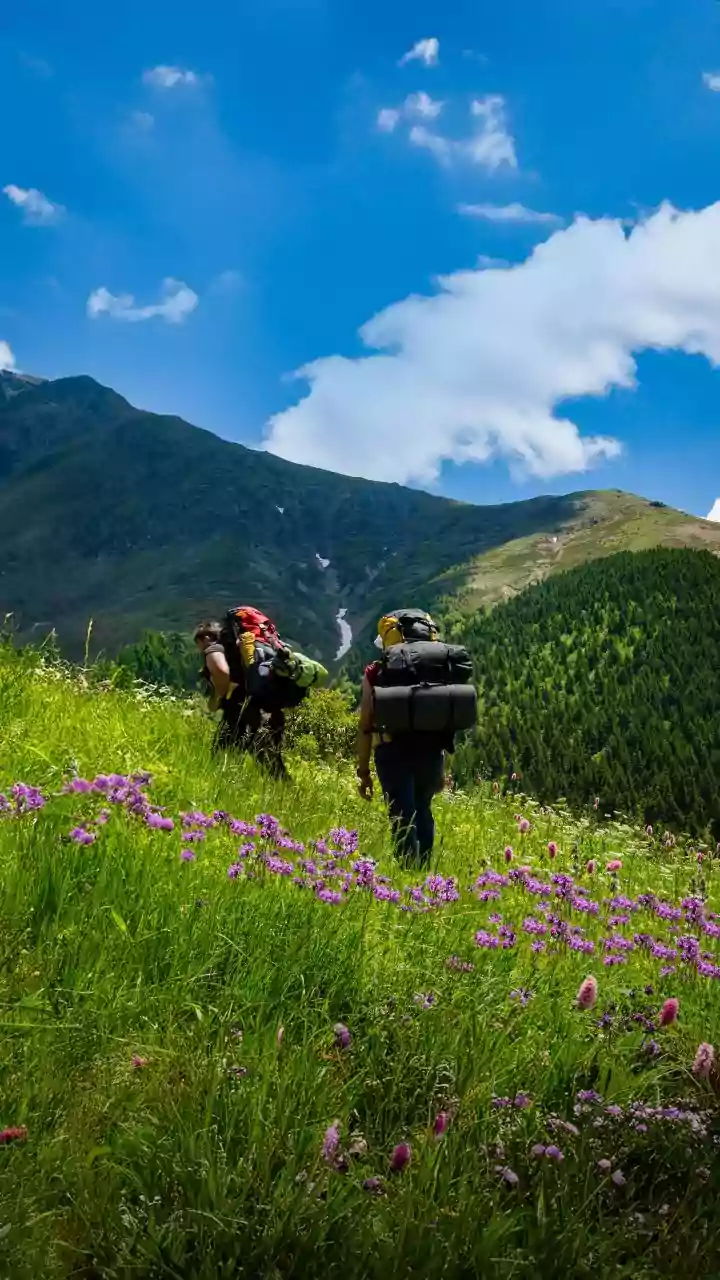
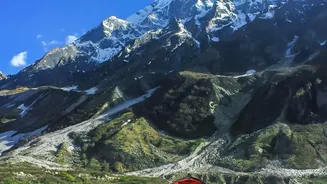
August in the high altitudes of Uttarakhand is a spectacle of nature's duality. It’s the time when valleys like the famed Valley of Flowers are at their most vibrant, carpeted with hundreds of species of blooming flowers. However, this beauty comes with a significant
challenge: the peak of the monsoon season. This year is no exception. Weather forecasts for August show a pattern of frequent, heavy rain, thunderstorms, and high humidity across the Garhwal region. The India Meteorological Department (IMD) has maintained Orange and Yellow alerts throughout the state, warning of potential flash floods and landslides, especially in vulnerable high-altitude areas. For trekkers, this translates to very real dangers, including slippery trails, reduced visibility due to fog, swollen rivers, and the ever-present risk of roads to trailheads being blocked by landslides.
Strategic Trek Selection
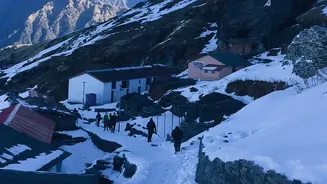
The first and most critical adaptation is choosing the right trail. Experienced trekking outfits and local authorities are clear: not all treks are safe in August. High-risk routes like Har Ki Dun, Kuari Pass, and Roopkund are strongly discouraged or officially closed during peak monsoon due to treacherous conditions. Instead, the focus has shifted to trails that are more manageable in the rain. The Valley of Flowers trek remains a popular choice, as it is specifically a monsoon trail and its infrastructure is geared for the season. Other shorter, lower-altitude treks like Nag Tibba, Dayara Bugyal (with caution), and the Madhyamaheshwar trek are also seeing footfall, as they offer a Himalayan experience with comparatively lower risk. The key is avoiding routes known for landslide-prone approaches and dangerous river crossings.
Tech, Timing, and Local Wisdom
Modern adventurers are blending technology with age-old mountain wisdom. Trekkers are now meticulously tracking multi-source weather forecasts before and during their trips, using apps and satellite imagery to get a better handle on approaching rain. However, technology has its limits in the mountains. The most effective strategy remains starting treks early. Mornings in August are often clearer, with clouds and rain typically building up in the afternoon. By starting at dawn, groups aim to reach their next campsite or finish their day's walk before the weather turns. This is combined with a heavy reliance on local guides and trek leaders. Their on-the-ground experience in reading mountain conditions, understanding the stability of paths, and knowing safe alternative routes is invaluable and something no app can replace.
Flexibility is the New Itinerary
The most significant shift in mindset among trekkers is the embrace of flexibility. The concept of a rigid, day-by-day itinerary is being replaced by a more fluid plan. Trekking groups are building extra 'buffer days' into their schedules. These days allow them to wait out a period of heavy rain, for a blocked road to be cleared, or to take a rest day if conditions are too hazardous to proceed. Organisers are prepared with alternative plans, including rerouting treks or having backup activities. State authorities have also been forced to adapt, with the State Disaster Response Force (SDRF) on high alert and officials temporarily halting pilgrim and trekker movement on certain routes when debris or rising water levels pose an immediate threat. Trekkers are being advised to heed these official warnings and avoid non-essential travel during severe weather alerts.
Gear Up for the Wet
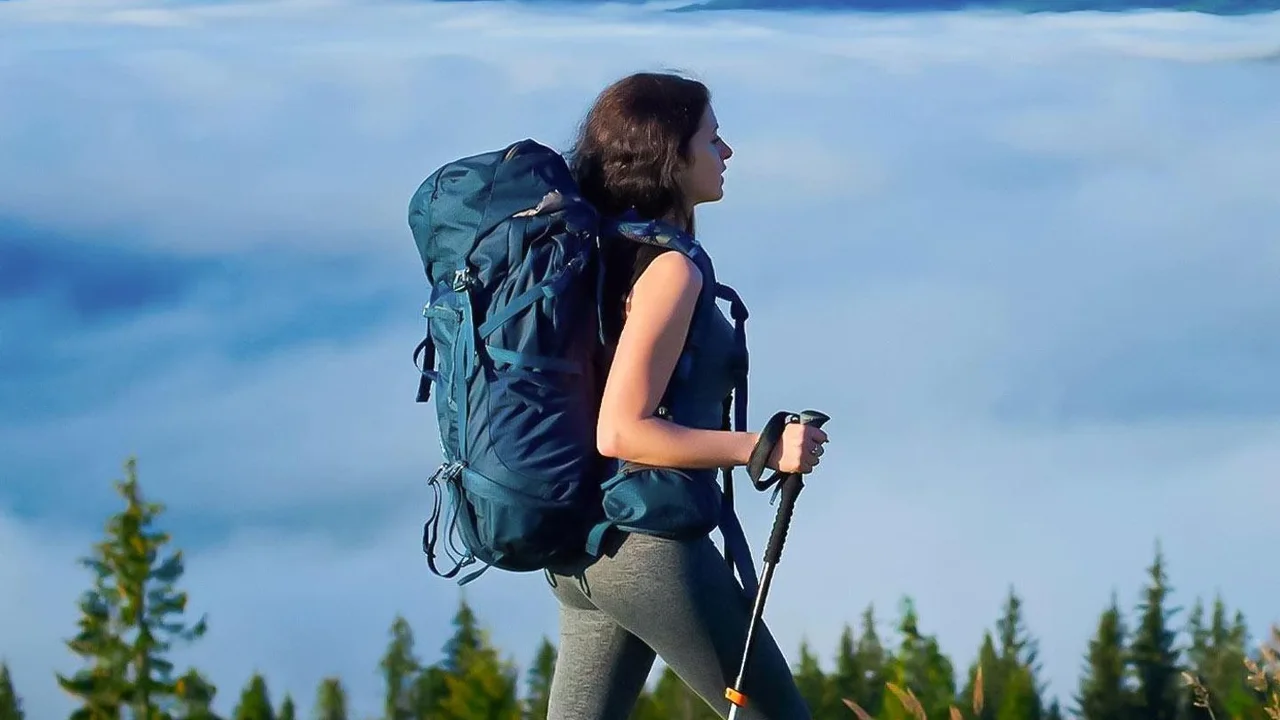
Navigating the monsoon also means having the right gear, and there is no room for compromise. The mantra is 'waterproof everything'. This includes high-quality waterproof trekking shoes with excellent grip, a reliable rain jacket and pants, and a waterproof cover for backpacks. Quick-dry clothing is essential, as cotton stays wet and can lead to a dangerous drop in body temperature. Trekking poles, often considered optional in other seasons, become a necessity on slippery, muddy trails to provide stability and prevent falls. Given the high humidity and prevalence of leeches in forested areas below 3,000 meters, leech socks or gaiters are also a standard part of the monsoon trekking kit.