



The Quiet Rise of a Super Nutrient
Dietary fibre, the indigestible part of plants, has always been a silent hero in Indian cuisine. [8] It’s the roughage in our rotis, the substance in our sabzis, and the heartiness in our dals. But lately, this hero is no longer silent. There's a growing
buzz around fibre, driven by a new wave of health consciousness across the country. More than half of Indian consumers say they are now actively managing their diet to improve their health. [12] A recent survey revealed that nearly 49% of Indians plan to buy more high-fibre foods in the coming year. [12] This isn't just a niche trend; it's a mainstream shift, as people increasingly connect what's on their plate to their overall well-being and seek ways to manage lifestyle diseases like diabetes and heart conditions. [10, 22]
Why More Fibre, Why Now?
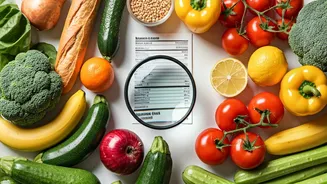
The renewed focus on fibre is a direct response to modern health challenges. India is facing rising cases of digestive issues, obesity, and diabetes, with around 77 million adults living with the latter. [10, 19] Scientists and nutritionists have long pointed to dietary fibre as a powerful tool in managing these conditions. [6] It helps regulate blood sugar levels, lowers bad cholesterol, aids in weight management by making you feel full for longer, and is crucial for good digestive health. [5, 11] While the Indian Council of Medical Research (ICMR) recommends about 25-40 grams of fibre daily, many urban Indians fall short due to a higher intake of processed foods and refined grains (maida). [3, 19] The current trend is an awakening to this nutritional gap and a conscious effort to close it. [17]
Back to Our Roots: Traditional Powerhouses
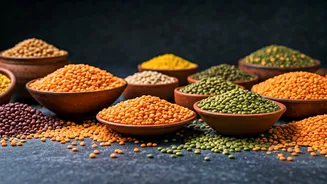
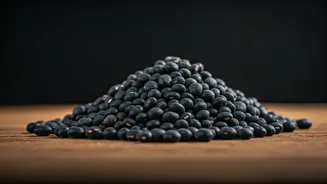
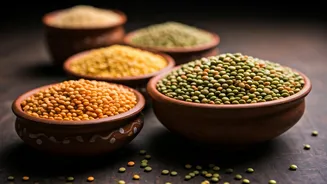
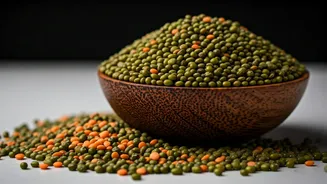
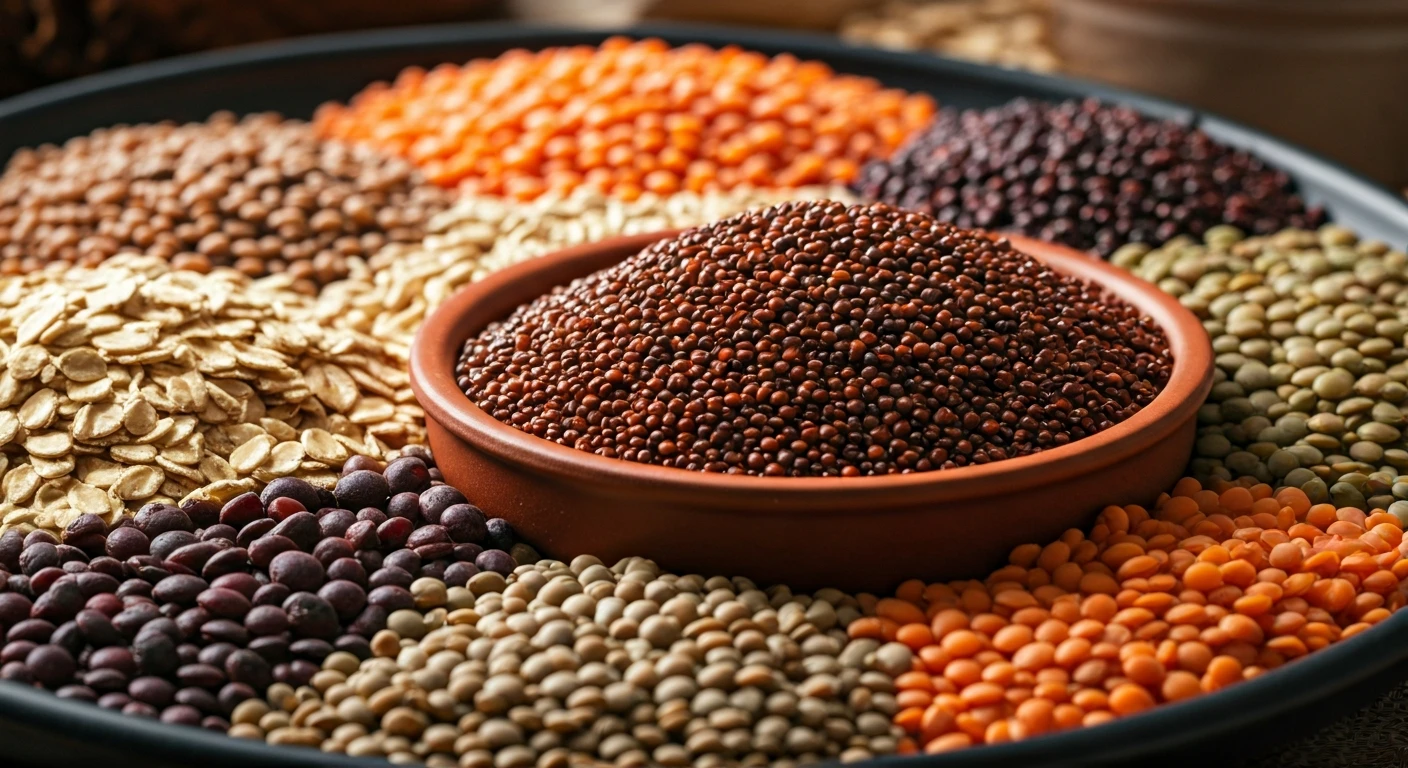
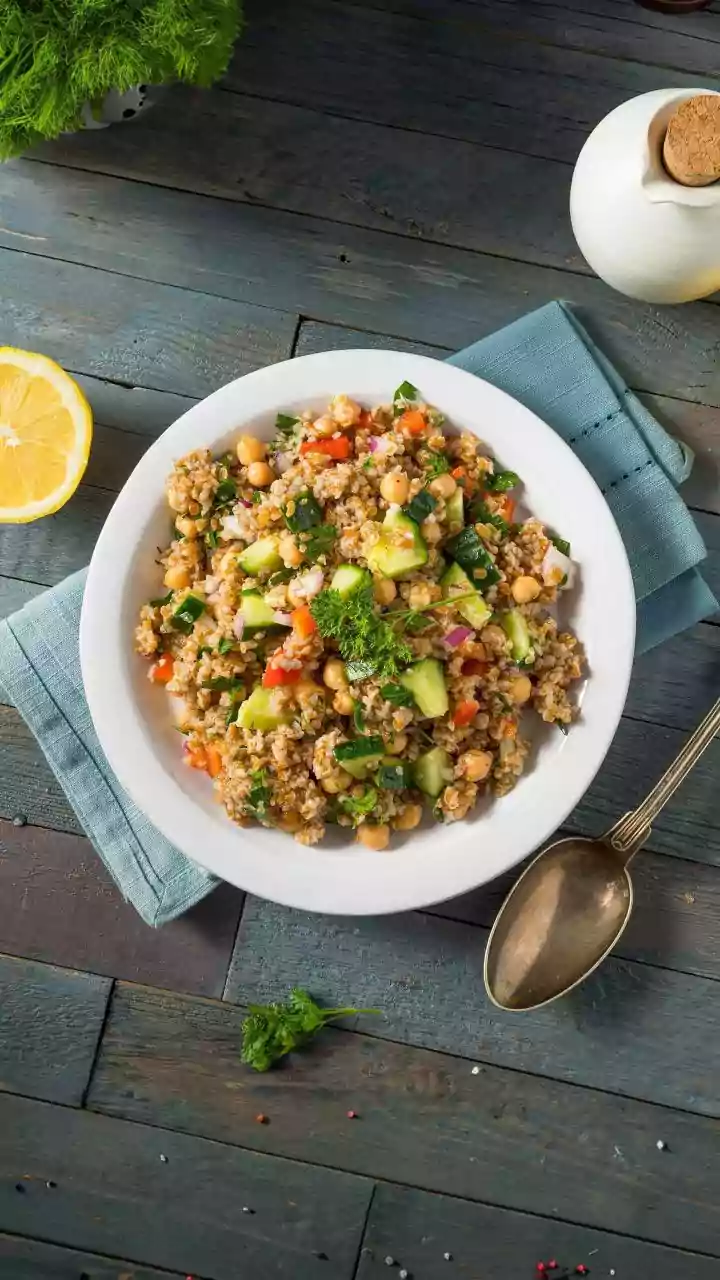
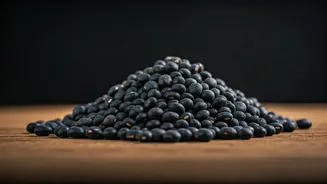
The beautiful thing about this trend is that it’s not about adopting foreign fads. It’s about returning to the wisdom of traditional Indian food. [6] Our cuisine is naturally rich in fibre. [3] Millets like jowar (sorghum), bajra (pearl millet), and ragi (finger millet) are fibre superstars, containing up to 11 grams per 100g. [3] Lentils and pulses, the cornerstone of any Indian meal, are packed with both fibre and protein; rajma can have up to 15g of fibre per 100g, and chana dal around 12g. [3] Everyday vegetables like bhindi (okra), spinach, and bottle gourd, and fruits like guava and apples (with the skin on), are also excellent sources. [4] A traditional Indian thali with whole wheat roti, dal, sabzi, and a salad is a well-balanced, high-fibre meal by design. [6]
The Modern Fibre Fix
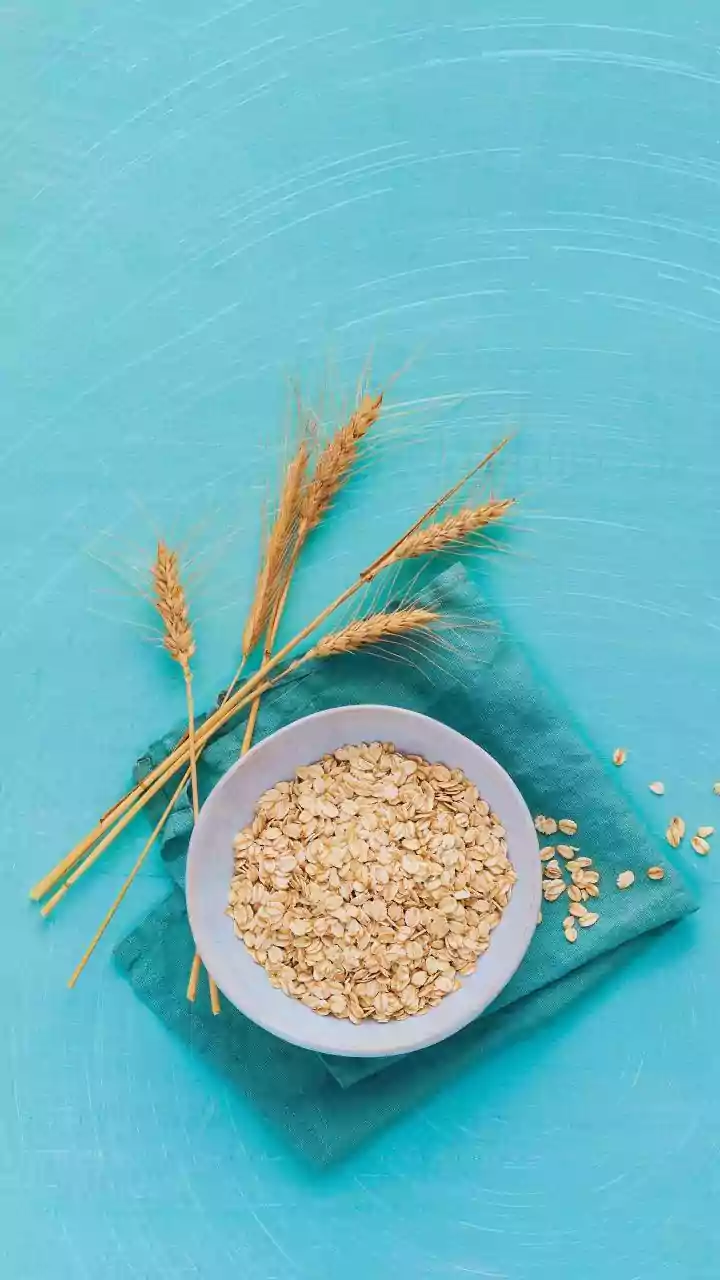
While traditional foods are making a comeback, the food industry is also innovating. The high-fibre food market in India is growing, with companies launching products to meet the rising demand. [10] You can now find atta fortified with extra fibre, multigrain breads that proudly display their high-fibre content, and breakfast cereals made from oats and millets. [10, 18] Healthy snacking has also evolved, with options like roasted chana, millet-based khakhras, and oats tikkis becoming popular choices for a fibre boost on the go. [20] Even ready-to-eat products are getting a healthy makeover, with brands launching legume-based meals that are high in both fibre and protein. [10]
Making It Work for You
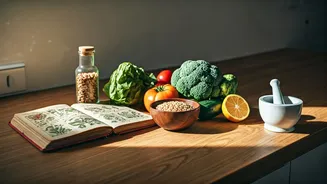
Incorporating more fibre into your diet doesn't require a complete overhaul. Small, consistent swaps can make a big difference. Start by replacing some of the white rice with brown rice or millets. [3] Opt for whole wheat or multigrain atta for your rotis and don't sieve the flour, as the bran contains much of the fibre. [3] Make it a rule to fill half your plate with vegetables. [3] Instead of juice, eat the whole fruit to get all the benefits. [13] Snack on a handful of nuts, seeds, or roasted chana instead of packaged chips. [21] And remember to increase your water intake as you increase fibre, as it helps the fibre do its job effectively in your digestive system. [13]