



The End of the Off-Season
For years, the Indian travel calendar was predictable: summer for the hills, winter for the beaches, and monsoon for staying home. That rhythm has been decisively broken. The rainy season is no longer an off-peak slump but has emerged as a powerful third
travel season. According to recent data from travel platforms, monsoon-period bookings have surged, with some reporting year-on-year increases of over 50%. This isn't a case of travellers begrudgingly getting caught in a downpour; they are actively chasing the rain. This shift indicates that domestic leisure travel is no longer confined to just two peak seasons, with industry leaders now viewing the monsoon as a significant travel driver in its own right.
Seeking Green, Quiet, and Value
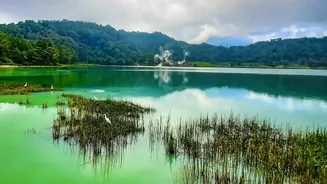
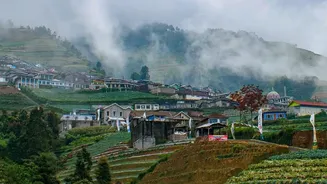
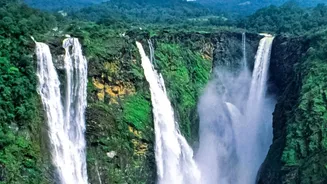
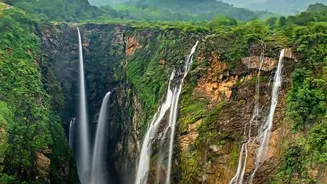
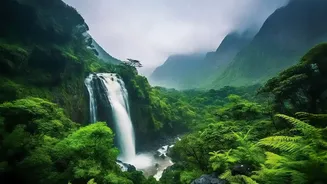
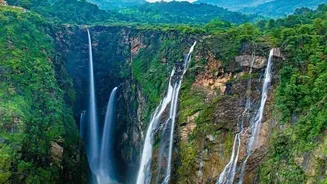
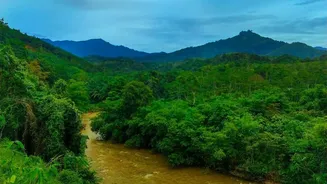
So, what’s behind this rainy-day renaissance? The motivation is multifaceted. A primary driver is the search for a different kind of experience. Travellers are increasingly prioritising wellness, nature, and cultural immersion over just ticking off a destination. The monsoon delivers this in abundance, transforming landscapes into lush, verdant wonderlands. Destinations in the Western Ghats like Coorg, Munnar, and Lonavala come alive with mist-covered hills, overflowing waterfalls, and the fragrance of wet earth. Beyond the scenery, there is a strong desire to escape the crowds that define peak-season travel. The monsoon offers a slower, more peaceful holiday. And while prices are becoming more resilient due to rising demand, the season still generally offers better value with lower flight and hotel rates compared to the winter peak.
New Hotspots and Shorter Breaks
The geography of monsoon travel is also expanding. While Kerala and Goa remain popular for their unique rainy-season charm—think Ayurvedic treatments in Kerala or Goa’s tranquil, green interiors—new favourites are storming the charts. Hill stations like Rishikesh and Mussoorie have seen a massive spike in interest, with search queries growing by over 150% for the season. Perhaps most surprisingly, the Northeast is emerging as a star performer, with Nagaland and Arunachal Pradesh recording the strongest growth in flight and hotel bookings. The headline’s claim about changing weekend timing is borne out by a trend towards shorter, more flexible trips. Data shows a preference for brief 3-day getaways, sometimes dubbed “70-hour monsoon breaks,” often planned spontaneously. A staggering 140% rise in bus bookings further highlights a growing appetite for shorter, flexible road trips to nearby destinations.
How the Travel Industry Is Adapting
The travel and hospitality industry has been quick to respond, moving far beyond simply offering rainy-day discounts. Hotels are now marketing the monsoon as an experience in itself. Many now offer curated packages that include indoor activities, culinary classes focused on seasonal comfort food, and wellness treatments designed for the humid climate. In places like Goa, the focus shifts from the beaches, which are often closed, to the lush hinterlands, waterfalls, and cultural heritage. Resorts are enhancing their properties with features like scenic balconies to enjoy the rain and ensuring safety with anti-slip measures and proper drainage. This proactive approach shows an understanding that modern monsoon travellers are not looking for a consolation prize; they are seeking a premium, atmospheric experience that celebrates the season.