

The Monsoon Magnet
For years, the Indian monsoon meant a temporary retreat for tourism in the Himalayas. But a new trend is flipping that script. Gangtok, Sikkim's capital, is emerging as a sought-after destination for a growing tribe of digital nomads and tech professionals.
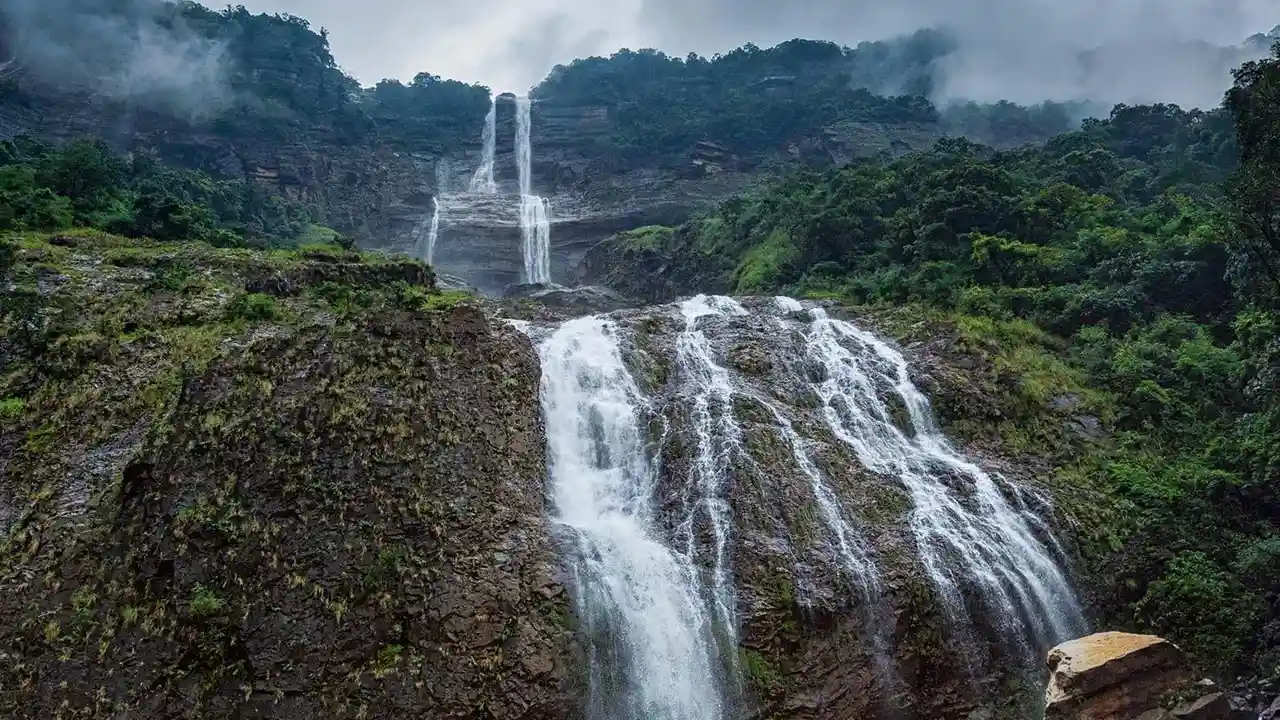
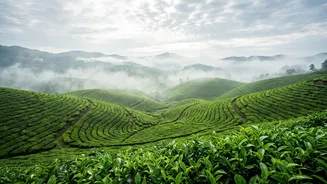
They are not just visiting; they are plugging in their laptops and staying for the season. The appeal is multi-faceted. While mainland India grapples with summer heat and humidity, Sikkim's monsoon offers a cool, refreshing climate. The landscape, washed clean and vibrant green, provides a serene backdrop that fuels creativity and reduces burnout. The state's reputation for peace, clean air, and an organic food culture further enhances its allure for those seeking a better work-life balance.
Inside the New-Age Ashram
This migration is powered by a new ecosystem of co-living and co-working spaces. Forget makeshift cafe tables; these hubs are purpose-built for productivity. Spaces like 'Sanctorum', Gangtok's first dedicated coworking hub, offer ergonomic workstations, high-speed fibre internet, private meeting rooms, and even podcast studios. Many hotels and homestays have also adapted, providing rooms with work desks, power backup, and reliable Wi-Fi. This infrastructure is crucial. It assures a software developer from Bengaluru or a graphic designer from Mumbai that they can seamlessly continue their work, meet deadlines, and stay connected while being nestled 5,410 feet up in the Himalayas.
A Day in the Life
What does a typical day look like for a remote worker in Gangtok? It is a blend of focused work and mindful leisure. Mornings might be dedicated to coding sprints or client calls, with the misty mountains visible from the window. Afternoons are for exploration. A short break could mean a walk down the city's famous pedestrian-only MG Marg, a visit to a nearby monastery for quiet contemplation, or simply sipping local tea in a cozy cafe. Evenings are often a community affair. Many co-living spaces foster a sense of community through shared dinners, skill-sharing sessions, or weekend treks, combating the isolation that can sometimes accompany remote work. It is a lifestyle that prioritizes both professional output and personal well-being.
The Practical Realities
While the dream of working from the mountains is compelling, there are practical considerations. Internet connectivity, the lifeline of any digital nomad, has historically been a concern in hilly regions. However, Gangtok now boasts reliable 4G from providers like Jio and Airtel, and a growing network of fibre broadband services. The government is also actively promoting this trend, with initiatives like the 'Nomad Sikkim' project aiming to develop villages with guaranteed internet and power backup to attract long-stay professionals, especially during the off-season. While occasional weather-related disruptions can occur, most hubs have backup systems in place. The cost of living is another draw, often proving more affordable than in major metropolitan cities.
More Than a Temporary Escape
The rise of workation hubs in Gangtok is more than just a passing trend; it signals a fundamental shift in how we perceive work and life. It's a move away from the rigid separation of the two, towards a more integrated and flexible existence. This model offers a win-win situation: it provides a sustainable, year-round income for local communities and homestay owners, particularly during the traditional tourist off-season. For the tech workers, it is a chance to de-stress, find inspiration in nature, and connect with a community of like-minded individuals, all without putting their careers on hold. It is a counter-narrative to urban burnout, proving that a high-flying career and a high-altitude life can go hand in hand.