






Meet Your New Sunday Ritual
The habit is deceptively simple: the weekly 'fridge audit' or 'use-it-up' session. Instead of letting your refrigerator become a forgotten graveyard for wilted coriander, half-cut onions, and leftover dal, you dedicate 15-20 minutes once a week to take
stock. The goal isn't just to clean; it's to strategise. By seeing exactly what you have, especially items nearing their end, you can proactively plan meals around them. This single practice shifts your mindset from 'what do I want to eat?' to 'what do I need to use?' It's a small change in perspective with a massive impact on the amount of food that ends up in the bin.
Why This Habit Is So Effective
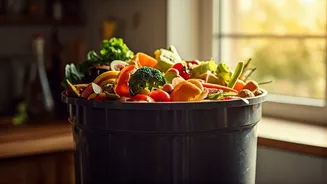
In India, household food waste is a staggering issue. The UN's 2021 Food Waste Index Report estimated that the average Indian household wastes around 50 kilograms of food per person every year. Much of this waste comes from good intentions—we buy fresh vegetables with plans to cook, but life gets busy. The weekly audit directly combats this. It breaks the cycle of impulse buying and forgotten produce. When you know you have three tomatoes that need to be used, you're less likely to buy another kilogram. It imposes a gentle but firm discipline, ensuring that the food you spend your hard-earned money on actually nourishes your family instead of feeding a landfill. This method also drastically simplifies meal planning for the week ahead, reducing the daily 'what to cook' dilemma.
Your 15-Minute Weekly Game Plan
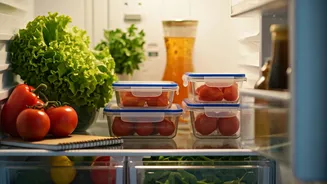
Making this a habit is easy. Here’s a simple four-step plan: 1. **Pick a Day:** Choose a consistent time each week. For many, the weekend before grocery shopping works best (e.g., Saturday morning or Sunday evening). 2. **The 'Everything Out' Rule:** Take everything out of your vegetable crisper and main fridge shelves. This gives you a clear view and prevents small items from hiding in the back. 3. **Sort and Group:** Quickly group items into three categories: 'eat today/tomorrow' (wilting greens, leftovers), 'eat within the week' (firm vegetables), and 'long-lasting' (pickles, sauces). This is your priority list. 4. **Plan Your 'Use-It-Up' Meal:** Based on your 'eat today' pile, plan at least one meal. That sad-looking capsicum, half an onion, and a bit of paneer? That’s your Monday stir-fry. This single action guarantees those items get used.
Get Creative with What You Have
A 'use-it-up' meal doesn't have to be boring. In fact, it can be a great opportunity for creativity. Think of it as your own personal cooking challenge. Have leftover cooked rice and assorted vegetables? Make a quick tawa pulao or fried rice. Are your herbs like coriander and mint starting to look limp? Blend them with some garlic, green chillies, and lemon juice for a fresh chutney that will last for days. Stale bread can be turned into bread upma or croutons for soup. Leftover sabzi from the night before makes for a fantastic and flavourful paratha filling. The key is to see ingredients not as leftovers, but as building blocks for a new, delicious dish.
The Benefits Beyond the Bin
The most immediate benefit of the weekly audit is a lighter bin and a fuller wallet. Families that adopt this habit report significant savings on their monthly grocery bills. But the advantages don't stop there. It reduces the mental load of meal planning, brings a sense of order to your kitchen, and instills a powerful lesson in resourcefulness for the whole family. In a culture that has long valued not wasting food, this modern habit is simply a return to our roots. It’s a conscious, mindful act that connects you to the food you eat and empowers you to make a tangible, positive impact on the environment, one meal at a time.