




The Monolith Beckons
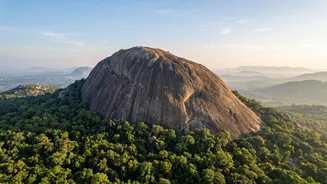
Rising dramatically to an altitude of 1,226 metres, Savandurga is a geological marvel. It’s not just a hill but a single, massive piece of granite, making it one of the largest monoliths in Asia. Located just a couple of hours' drive from Bengaluru, it has
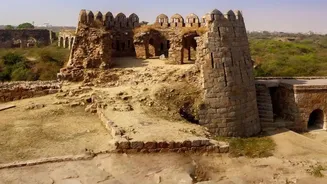
long been a destination for pilgrims visiting the temples at its base, but its steep, bare rock faces have increasingly drawn a different kind of devotee: the fitness-focused adventurer. The hill is actually composed of two peaks, Karigudda (the black hill) and Biligudda (the white hill), with trekking and climbing routes primarily on the latter. Its historical significance, once serving as a fort for rulers like Kempegowda and Tipu Sultan, adds a layer of mystique to the ascent.
A Full-Body Fitness Test
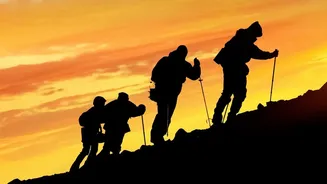
Calling the Savandurga climb a 'trek' almost undersells the physical demands. It’s a comprehensive workout that engages muscles you might not typically use. The ascent over steep, rocky surfaces is a significant test of lower body strength, engaging your legs and glutes to propel you upward. Simultaneously, maintaining balance on the uneven terrain requires constant core engagement for stability. Unlike a predictable gym session, climbing forces your body to adapt to varied inclines and surfaces, improving functional strength and coordination. The sustained effort also provides a substantial cardiovascular challenge, boosting heart health and endurance. The descent is equally demanding, testing your knees and forcing you to control every step to prevent slips on the steep gradient.
Choose Your Challenge: Biligudda vs. Karigudda
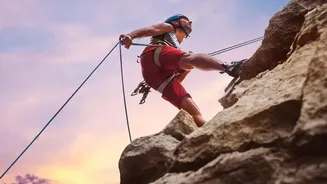
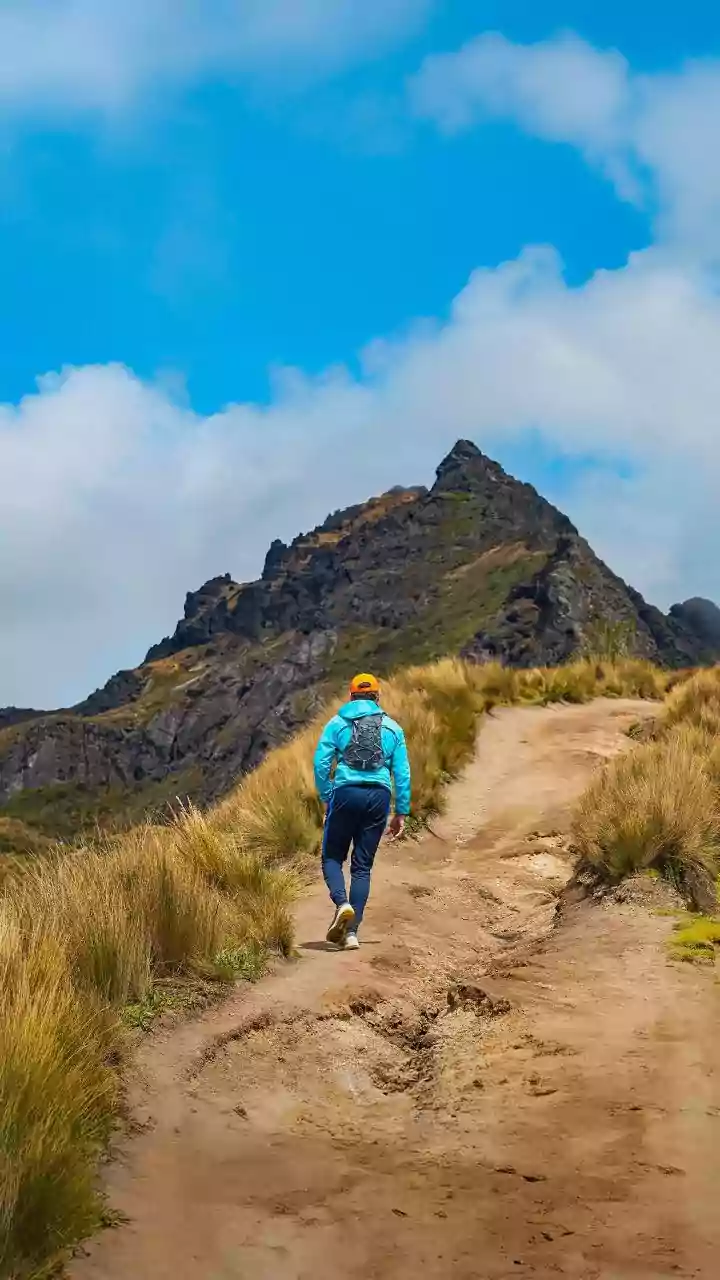
Savandurga offers distinct trails catering to different fitness levels. The most popular is the route up Biligudda (the white hill), which starts near the Sri Lakshmi Narasimha Swamy temple. While considered the 'easier' of the two, it is still rated as moderate to challenging. The trail is marked with painted arrows on the rock, but some sections are steep, requiring climbers to use their hands and find footholds carved into the surface. The Karigudda (black hill) trail is far more difficult and technical, often requiring climbing gear and permits, making it suitable only for experienced rock climbers. For most fitness enthusiasts, the Biligudda trail provides the perfect balance of challenge and accessibility, taking about two to three hours to reach the summit.
The Reward: Views and Accomplishment
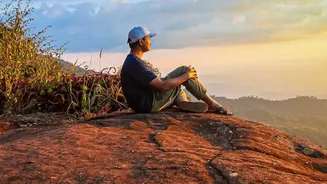
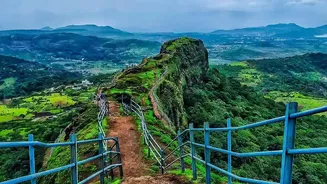
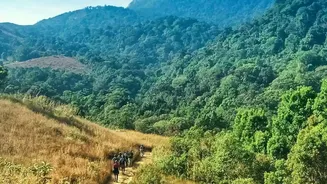
The physical exertion pays off handsomely. As you ascend, the landscape unfolds into a stunning panorama. From the top, you are greeted with breathtaking 360-degree views of the surrounding Deccan Plateau, the Manchanabele Dam, and the Arkavathi river. Reaching the small Nandi temple at the summit provides a profound sense of accomplishment. This isn't just about burning calories; it's about pushing your limits and being rewarded with an experience that is both physically and mentally invigorating. The feeling of standing atop the massive monolith, with the world stretching out below, is a powerful motivator that keeps climbers coming back.
Plan Your Climb: Essentials for a Safe Workout
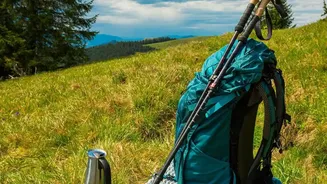
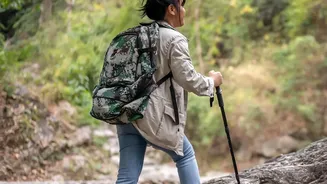
Preparation is key to a successful and safe climb. The best time to visit is from October to February, as the monsoon makes the rocks dangerously slippery and summer heat can be intense. An early morning start, ideally before 7:30 AM, is crucial to avoid the scorching sun, which heats the rock surface. Essential gear includes trekking shoes with excellent grip, as standard sports shoes are inadequate for the smooth, steep rock. Carry at least two to three litres of water per person, as there are no reliable water sources on the trail. Lightweight, energy-boosting snacks, a cap, and sunscreen are also must-haves. While permits were not always required for Biligudda, it's now often necessary to book a slot online via the Karnataka Eco-Tourism website, so check in advance.