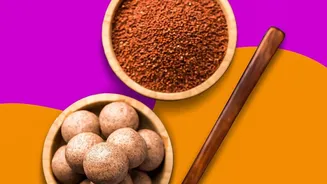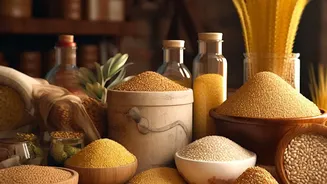


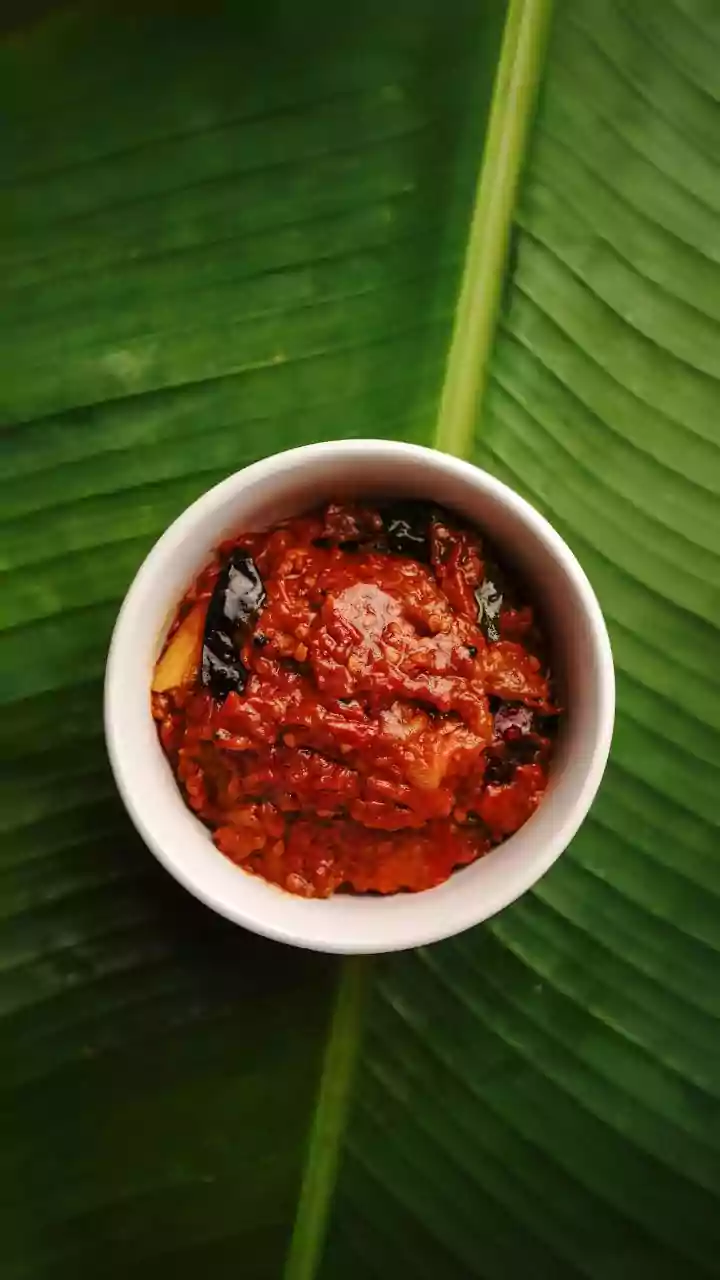



Once considered humble 'coarse grains', millets are staging a remarkable comeback. From trendy cafes to conscious home kitchens across urban India, these ancient staples are being rediscovered for their powerful nutritional and environmental benefits.
A Nutritional Upgrade from Modern Staples
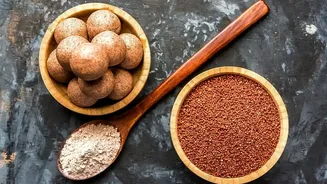
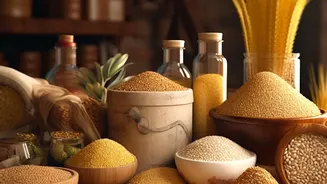
For decades, polished white rice and refined wheat have dominated the urban Indian plate. But as lifestyle-related health issues become more prevalent, a growing number of people are seeking healthier alternatives. Millets are stepping up to fill that gap. Compared to rice and wheat, millets are nutritional powerhouses. They are packed with protein, loaded with dietary fibre, and are naturally gluten-free, making them an excellent choice for those with sensitivities. Grains like ragi (finger millet) are famously rich in calcium, while others like bajra (pearl millet) are high in iron. Furthermore, most millets have a lower glycemic index, which means they release sugar into the bloodstream more slowly. This quality is particularly beneficial for managing blood sugar levels and providing sustained energy, avoiding the sharp spikes and crashes associated with refined grains.
Good for You, Better for the Planet
The appeal of millets extends far beyond personal health; they are also champions of sustainability. In a country facing increasing water scarcity, the agricultural footprint of our food choices matters more than ever. Millet cultivation requires significantly less water than rice and wheat. Some estimates suggest millets use up to 70% less water than rice, making them a climate-resilient crop perfectly suited for India's diverse and often arid landscapes. These hardy grains can thrive in poor soil conditions without a heavy dependence on chemical fertilizers and pesticides. This resilience not only reduces the financial burden on farmers but also promotes better soil health, prevents erosion, and lowers the overall carbon footprint of our food system. The shift towards millets supports agricultural biodiversity, moving away from the monocultures of rice and wheat that have become dominant.
From Rustic Roots to Culinary Renaissance
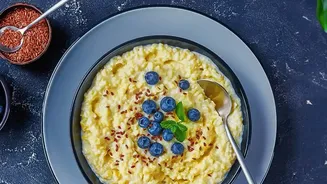
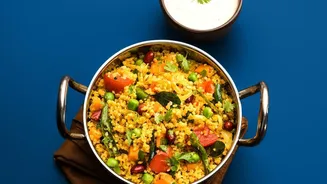
For millets to truly enter the mainstream, they need to be more than just healthy—they have to be delicious and versatile. And that's exactly what's happening in urban India's culinary scene. Chefs and home cooks are creatively incorporating millets into a wide array of dishes, challenging the old stereotype of them being bland or difficult to cook. In cities like Bengaluru, Mumbai, and Delhi, cafes and restaurants are rolling out innovative millet-based menus. You can find everything from foxtail millet upma and ragi dosas to jowar tacos and millet-based pizzas and pastas. Restaurants like Toast & Tonic in Bengaluru and Noon in Mumbai are crafting gourmet dishes that place millets front and centre, proving their culinary flexibility. This trend is also visible at home, where people are experimenting with millet flour for rotis and baked goods, using them in salads and khichdis, and even making desserts like millet kheer.
A National Push for an Ancient Grain
This grassroots movement is amplified by a significant governmental and international push. India was a key proponent behind the United Nations declaring 2023 as the 'International Year of Millets', a move designed to raise global awareness about their benefits. The Indian government has even branded millets as 'Shree Anna' or the 'best of grains' to elevate their status. This has sparked conversations, encouraged farmers to increase cultivation, and spurred innovation in the food processing industry. While challenges like consumer awareness and taste preferences remain, the concerted effort from farmers, chefs, consumers, and policymakers is creating a powerful momentum. The re-integration of millets into our diets is not just a fleeting trend but a conscious shift towards a more sustainable and nutritious future.