



The Ancient Charm of Khus
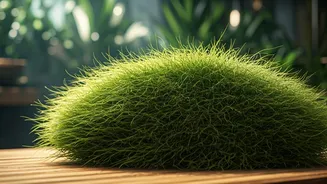
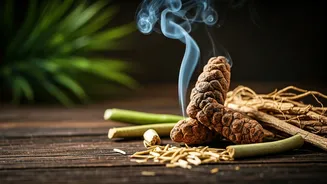
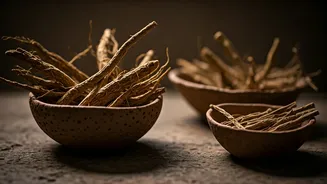
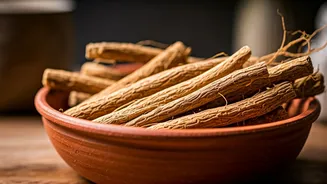
Before chemical sprays and plug-in diffusers, there was khus. Known scientifically as Vetiveria zizanioides, vetiver is a perennial bunchgrass native to India. Its dense, fibrous root system is the source of its magic. For centuries, these roots—known
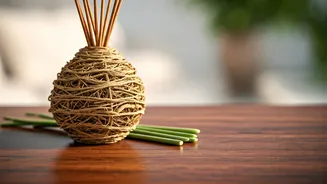
as khus—have been woven into mats and blinds ('khus ki tatti') that are hung in doorways and windows. When sprinkled with water, they release a distinctive, complex aroma: earthy, woody, and slightly sweet. This scent is deeply embedded in the sensory memory of an Indian summer, evoking petrichor, cool relief, and quiet afternoons. Using vetiver roots in a bowl is a modern, simplified take on this age-old tradition, bringing the essence of a monsoon shower indoors.
The Science of Scent and Cool
The magic of vetiver is rooted in simple science. The roots contain a resinous essential oil that is prized in perfumery for its deep, grounding base notes. This oil is not very volatile on its own, which is why dry vetiver roots have only a faint smell. The secret is water. When the roots are soaked, they absorb the moisture, and as the water slowly evaporates, it carries the aromatic molecules of the essential oil into the air. This process, known as evaporative cooling, also has a secondary benefit: it gently lowers the ambient temperature in the immediate vicinity of the bowl, making it a natural, miniature air cooler. It’s a dual-action system that perfumes and cools simultaneously.
Your Step-by-Step Guide
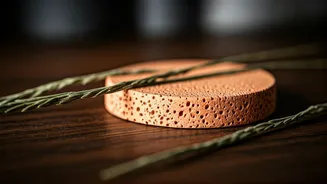
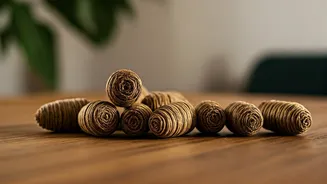
Creating your own vetiver home freshener is incredibly simple and rewarding. Here’s what you need and how to do it: 1. **Source Your Materials:** You will need a handful of dried vetiver (khus) roots and a shallow, unglazed earthen or terracotta bowl (a 'diya' or a small 'matka' works perfectly). You can find vetiver roots at local markets, Ayurvedic stores, or online. 2. **Prepare the Roots:** Gently rinse the roots under cool water to remove any dust or soil. Avoid using soap. You don’t need to chop them; the long strands work beautifully. 3. **Arrange in the Bowl:** Coil the cleaned roots and arrange them inside the earthen bowl. There’s no right or wrong way; simply ensure they fit comfortably. 4. **Add Water:** Pour clean, cool water over the roots until they are submerged. The porous terracotta will immediately begin to absorb some of the water, which is part of the process. 5. **Placement:** Place the bowl in a well-ventilated area where you want to enjoy the fragrance, like a living room, bedroom, or entryway. Positioning it near a window or a fan can help diffuse the scent more effectively.
Benefits Beyond Fragrance
The appeal of a vetiver bowl extends far beyond its pleasant smell. In a world saturated with synthetic chemicals, it offers a completely natural, non-toxic alternative to commercial air fresheners, which can often trigger allergies or respiratory issues. The earthy aroma of vetiver is also known in aromatherapy for its calming and grounding properties, helping to reduce stress and anxiety. It creates a serene, spa-like atmosphere in your home. Furthermore, vetiver oil is a known insect repellent, and while a bowl of roots won't eliminate a pest problem, it can help deter mosquitoes and other insects from lingering in the area.
Maintenance and Longevity
To keep your natural freshener working effectively, a little maintenance is required. The water in the bowl will evaporate, especially in a dry or warm environment, so you’ll need to top it up every day or two. This regular addition of fresh water is what keeps the aroma release consistent. Every week, it's a good idea to change the water completely to prevent it from becoming stagnant. The vetiver roots themselves are incredibly long-lasting. They will continue to release their fragrance for months. When the scent starts to fade, you can simply sun-dry the roots completely and then store them, or repurpose them in closets and drawers as a dry sachet before eventually composting them.