







The shift from damp monsoon days to crisp, cooler air is a welcome change for many. But for your hair, this transition can be jarring, often leading to unexpected dryness, static, and even an increase in hair fall.
Why Your Hair Struggles Post-Monsoon
During the monsoon, high humidity causes
the hair shaft to swell with moisture, leading to frizz. As winter approaches, the opposite happens. The air becomes significantly drier, both outdoors and inside due to heaters. This low-humidity environment actively pulls moisture from your hair strands. In response, the hair's outer layer, the cuticle, lifts and becomes rough, allowing essential hydration to escape. This process leaves hair brittle, prone to breakage, and feeling dry. The scalp is also affected; cold air can constrict blood vessels and reduce natural oil production, leading to a dry, tight, or flaky scalp which can disrupt healthy hair growth.
Upgrade Your Washing Routine
The foundation of post-monsoon hair care is gentle cleansing. While you may have washed your hair more frequently to combat monsoon sweat and grime, the drier climate calls for a new strategy. Consider washing your hair less often to preserve your scalp's natural protective oils. When you do wash, use lukewarm water instead of hot, as high temperatures can strip away moisture from both your hair and scalp. Opt for a mild, hydrating, and preferably sulfate-free shampoo. Focus the lather on your scalp where oil and dirt accumulate, and let the suds rinse gently through the lengths of your hair.
Make Deep Conditioning a Priority
Conditioner is non-negotiable in this drier season. After every wash, apply a nourishing conditioner, concentrating on the mid-lengths and ends, which are the oldest and most fragile parts of your hair. For an extra boost, incorporate a deep conditioning mask into your routine once a week. Look for products with ingredients like hyaluronic acid, glycerin, shea butter, or argan oil, which help attract and seal in moisture. Applying a mask and leaving it on for 15–30 minutes can replenish lost moisture, smooth the cuticle, and significantly improve softness and manageability.
Embrace the Power of Oils
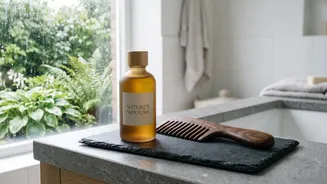
Hair oils are a traditional and effective way to combat dryness. They work by creating a protective barrier that seals the hair cuticle, preventing moisture from escaping. You can use them in several ways. A pre–shampoo oil massage, a practice common in India, can protect your strands from the stripping effects of shampoo. Apply a lightweight oil like argan, jojoba, or almond oil to your scalp and hair, leaving it on for about 30 minutes before washing. Alternatively, use a few drops of a finishing oil or serum on dry, styled hair to tame flyaways, add shine, and provide a final layer of protection against the dry air.
Minimize Breakage and Protect Your Strands
Dry hair is fragile hair, making it susceptible to breakage from everyday actions. Handle wet hair with extra care, as it's at its most elastic and vulnerable. Use a wide–tooth comb to detangle, starting from the ends and working your way up. Try to reduce your reliance on heat styling tools like blow dryers and straighteners, which can further dehydrate your hair. When you do use them, always apply a heat protectant spray first. At night, consider sleeping on a silk or satin pillowcase. The smooth surface reduces friction, meaning less frizz, tangles, and breakage while you sleep.