





Understanding the 'Flag Season'
The term 'Flag Season' signifies the formal start of the tourist season along the Konkan coast. Following the heavy monsoon rains from June to September, the sea becomes rough and unsafe for recreational activities. November 15 marks the date when conditions
are typically calm and safe again, inviting visitors back to the shores. For 2026, this date is especially significant as it coincides with the inaugural season for Maharashtra's newly accredited Blue Flag beaches, where the official flags will be hoisted, symbolising their readiness to welcome tourists.
What is a Blue Flag Certification?
The Blue Flag is a prestigious, voluntary eco-label awarded by the Denmark-based Foundation for Environmental Education (FEE). It is recognised globally as a symbol of a high-quality, sustainable beach. To earn this certification, a beach must meet over 30 stringent criteria across four main categories: environmental education and information, bathing water quality, environmental management, and safety and services. This means the water is clean and tested regularly, the beach is litter-free with proper waste management, safety measures like lifeguards are in place, and there is clear information about the local ecosystem. The award is only valid for one season, ensuring these high standards are consistently maintained year after year.
Meet Maharashtra’s Trio of Blue Flag Beaches
For the 2026-27 season, Maharashtra has made its debut on the global Blue Flag map with three stunning beaches in the Konkan region. This recognition places them among a select group of beaches in India and worldwide committed to the highest standards of cleanliness and sustainable tourism. The newly certified beaches are Ladghar and Guhagar in Ratnagiri district, and Shrivardhan in Raigad district.
Ladghar: The Beach with Reddish Sands
Located near Dapoli in Ratnagiri, Ladghar is often called 'Tamas Teertha' because a portion of its sand has a distinct reddish hue, especially visible at sunset. This beach is celebrated for its calm, shallow waters, making it suitable for swimming. It offers a laid-back atmosphere away from the major crowds and is a known spot for dolphin-watching tours, which are managed by the local community. The certification highlights its success in balancing tourism with the protection of its unique coastal biodiversity.
Guhagar: A Stretch of Pristine White Sand
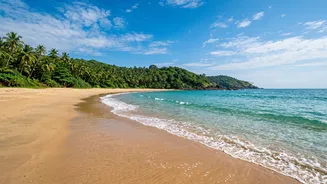
Guhagar, also in Ratnagiri district, is famous for its long, unbroken stretch of white sand, spanning nearly six kilometres. The shoreline is picturesquely lined with dense Casuarina plantations, locally known as 'suru' trees. Known for its exceptionally clean bathing waters and low-impact tourism infrastructure, Guhagar offers a serene and unspoiled beach experience. Its Blue Flag status is a testament to its well-maintained environment and commitment to keeping the beach pristine for visitors.
Shrivardhan: History Meets Natural Beauty
In Raigad district, Shrivardhan beach is noted for its tranquil, crescent-shaped shoreline and a flat, gentle gradient that makes its waters particularly safe for swimming. The beach is also a hub for water sports, offering activities like boat rides and parasailing for the more adventurous. Its management is supported by a strong, community-led waste segregation system. Adding to its charm is its historical significance, being located near the heritage town associated with the Maratha Peshwas.