





Solving the Mountain Internet Problem
The biggest hurdle for any mountain workation is the internet. Digital nomads require stable, high-speed connections for video calls, file transfers, and cloud-based applications. Hostels in Bir have risen to this challenge by investing in robust infrastructure.
Many now offer high-speed fiber Wi-Fi, often with multiple service providers for redundancy. For example, Bir Nest offers two separate 100 Mbps fiber lines to ensure connectivity even if one provider goes down. To combat the frequent power cuts common in the mountains, these hostels also provide essential power backup, such as generators, ensuring that a professional's workday isn't interrupted. This focus on reliable infrastructure has been a game-changer, transforming Bir from a risky bet to a dependable base for remote work.
From Dorm Beds to Dedicated Workspaces
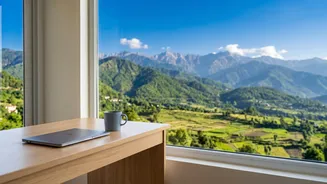
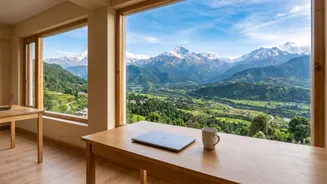
The modern hostel in Bir is no longer just a place to sleep. Recognizing that digital nomads need a conducive environment for productivity, many have evolved into co-living and coworking hybrids. Hostels like Zostel and The Trippy Tribe feature dedicated coworking zones, separate from the social buzz of cafes and common rooms. These spaces often come equipped with ergonomic desks and chairs designed for long hours of work. This allows remote workers to maintain a clear separation between their professional tasks and their leisure time, all under one roof. The environment is typically quiet during the day to facilitate focus, transitioning to a more social atmosphere in the evenings.
The All-Important Community Vibe
Remote work can be isolating, and hostels in Bir actively combat this by fostering a strong sense of community. They attract a like-minded crowd of freelancers, founders, and creatives, making it easy to network and socialise. Common areas, shared kitchens, and rooftop cafes become hubs for connection. Many hostels, including Madpackers and The Social Stays, organize group activities like bonfires, movie nights, and local walking tours, helping guests connect with both fellow travelers and the local culture. This blend of privacy for work and community for socialising is a key reason why many digital nomads choose a hostel over a traditional hotel or guesthouse.
Balancing Productivity and Peace
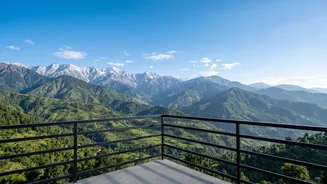
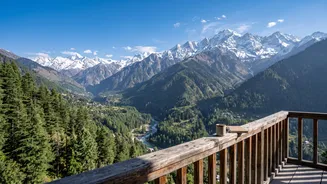
Beyond the tangible amenities, Bir's core appeal lies in its tranquil atmosphere. The town itself, with its Tibetan monasteries, lush tea gardens, and stunning mountain backdrops, offers a peaceful environment that promotes focus and well-being. Hostels are often designed to maximize this benefit, with gardens, terraces, and rooms offering panoramic views of the Dhauladhar range. The lifestyle allows for a unique work-life balance where a day of focused work can be followed by a sunset walk to the paragliding landing site or a quiet evening at a local cafe. It’s this combination of modern infrastructure and natural serenity that makes Bir an increasingly popular and sustainable choice for the growing digital nomad community in India.