




What Is the Skin Barrier, Exactly?
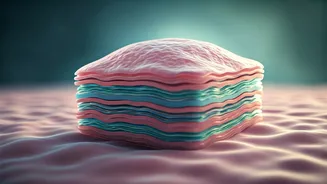
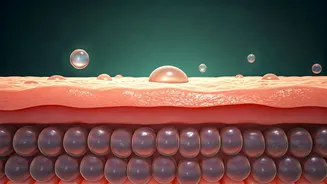
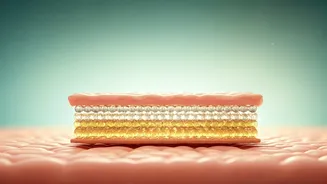
Think of your skin barrier as a tiny, intelligent security guard for your face. Scientifically known as the stratum corneum, it's the outermost layer of your skin. The best way to picture it is like a brick wall. The 'bricks' are tough skin cells called
corneocytes, and the 'mortar' holding them together is a mix of natural lipids like ceramides, cholesterol, and fatty acids. This tightly-packed structure has two crucial jobs: to keep the good stuff in (like water, ensuring your skin stays hydrated and plump) and to keep the bad stuff out (like pollutants, UV radiation, and harmful bacteria). When this wall is strong and intact, your skin looks and feels healthy, calm, and hydrated. When it's compromised, problems start to appear.
Signs Your Barrier Is Crying for Help
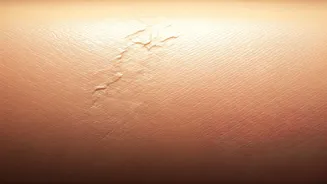
A damaged skin barrier isn't subtle; it makes its presence known. If you're experiencing persistent redness, irritation, or a feeling of tightness, especially after cleansing, your barrier is likely compromised. Other tell-tale signs include increased sensitivity to products that never bothered you before, flaky patches, dullness, and even a sudden increase in breakouts. Because a weakened barrier can't effectively lock in moisture, you might also find that your skin feels constantly dehydrated, no matter how much moisturiser you apply. Essentially, if your skin feels reactive, uncomfortable, and generally unhappy, it’s a strong signal that its primary defence system is down.
The Common Culprits Behind the Damage
Often, we are the architects of our own skin barrier damage, usually with the best of intentions. One of the biggest offenders is over-exfoliation. Using harsh physical scrubs or too many potent chemical exfoliants (like AHAs and BHAs) too frequently can strip away the essential lipids holding your skin barrier together. Similarly, using cleansers that are too harsh and leave your skin feeling 'squeaky clean' are also stripping these vital oils. Other factors include environmental stressors like pollution and extreme weather, unprotected sun exposure (UV radiation is a major barrier-wrecker), stress, lack of sleep, and even a poor diet. Understanding these triggers is the first step toward protecting and repairing your skin's first line of defence.
How to Repair and Protect Your Barrier
The good news is that a damaged skin barrier is not a life sentence. With a little care, you can nurse it back to health. The strategy is simple: go back to basics. First, pause all harsh treatments. That means putting away your strong exfoliants, retinoids, and vitamin C serums for a couple of weeks to give your skin a break. Switch to a gentle, pH-balanced, hydrating cleanser that doesn't strip your skin. Next, focus on replenishing the 'mortar' of your skin wall. Look for moisturisers packed with barrier-supporting ingredients. The holy trinity to look for are ceramides, cholesterol, and fatty acids, as they directly mimic your skin's natural lipid composition. Other hero ingredients include niacinamide (which boosts ceramide production), hyaluronic acid (for hydration), and panthenol (for soothing).
Building a Barrier-Friendly Routine
Creating a routine that supports your skin barrier doesn't have to be complicated. In fact, simplicity is key. Morning: 1. Cleanse (or just rinse): If your skin isn't oily, a simple rinse with lukewarm water is often enough. If you must cleanse, use a gentle, creamy formula. 2. Hydrate & Protect: Apply a moisturiser with barrier-repairing ingredients. 3. Sunscreen: This is non-negotiable. Use a broad-spectrum sunscreen with at least SPF 30 every single day to protect your barrier from UV damage. Evening: 1. Gentle Cleanse: Wash away the day's grime, makeup, and sunscreen with a hydrating cleanser. 2. Nourish: Apply a serum with ingredients like niacinamide or hyaluronic acid, if you like. 3. Moisturise: Lock everything in with a rich, restorative moisturiser. This is when your skin does its repair work, so give it the tools it needs. Once your barrier feels strong and calm again (usually after 2-4 weeks), you can slowly re-introduce active ingredients one at a time, perhaps just 2-3 times a week, to avoid overwhelming your skin.