







The False Sense of Security
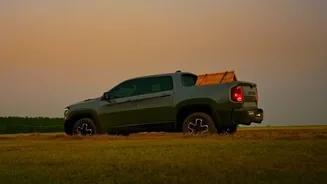
A tonneau cover or truck canopy seems like the perfect solution for protecting your cargo from India’s intense monsoon season. You load your tools, equipment, or luggage, secure the cover, and assume everything will stay dry. However, most bed covers
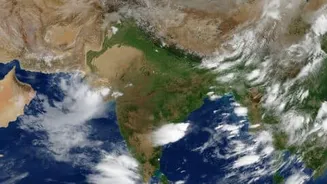
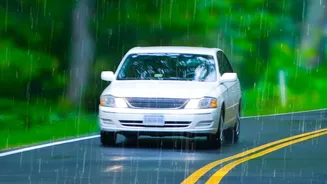
are designed to be water-resistant, not fully waterproof. During a torrential downpour, which weather alerts are currently predicting for multiple regions, water can and will find a way in. This is often not due to a faulty cover, but due to the inherent design of the truck bed itself, which has gaps, especially near the cab and tailgate, that can let water seep in. Even a properly installed cover can be compromised by worn-out seals or slight misalignments over time.
More Than Just a Puddle
A small leak might not seem like a big deal, but trapped moisture in an enclosed space is a recipe for disaster. The most immediate problem is damaged cargo, but the long-term consequences are far more expensive. Persistent dampness can cause the truck bed's metal to rust and corrode, compromising its structural integrity. This is especially true if the protective paint is scratched or worn. Furthermore, moisture creates the perfect breeding ground for mold and mildew, which can ruin the bed liner, create foul odors, and even pose health risks. If you have accessories like bed lighting or power outlets, water intrusion can lead to electrical shorts and costly repairs.
Your Monsoon-Proofing Checklist
Before the next heavy shower, take a few minutes to perform a simple inspection. Start by clearing any leaves, dirt, or debris from the edges of the cover and the truck bed rails, as this can prevent a proper seal. Next, closely examine the rubber or foam seals along the entire perimeter of the cover. Look for any sections that are cracked, compressed, brittle, or peeling away. Pay special attention to the corners, as these are common failure points. One easy way to check for gaps is to sit inside the covered bed during the day and look for any slivers of light. If light can get in, water can too. Also, ensure that if your cover has drainage tubes, they are clear and properly routed to carry water away from the bed.
Quick Fixes and Long-Term Solutions
If you find a leak, don't panic. For small gaps or worn seals, you might be able to apply a temporary fix with automotive-grade sealant or weather stripping from a local auto shop. However, these are often short-term solutions. The best long-term fix for worn-out seals is to replace them entirely. If the cover itself is torn or cracked, repair kits are available, but significant damage might mean it's time for a replacement. When installing a new cover, ensure it is perfectly aligned and not over-tightened, as this can warp the rails and create new gaps. For the best protection, consider adding a dedicated tailgate seal, which helps block water and dust from entering through one of the most vulnerable areas.