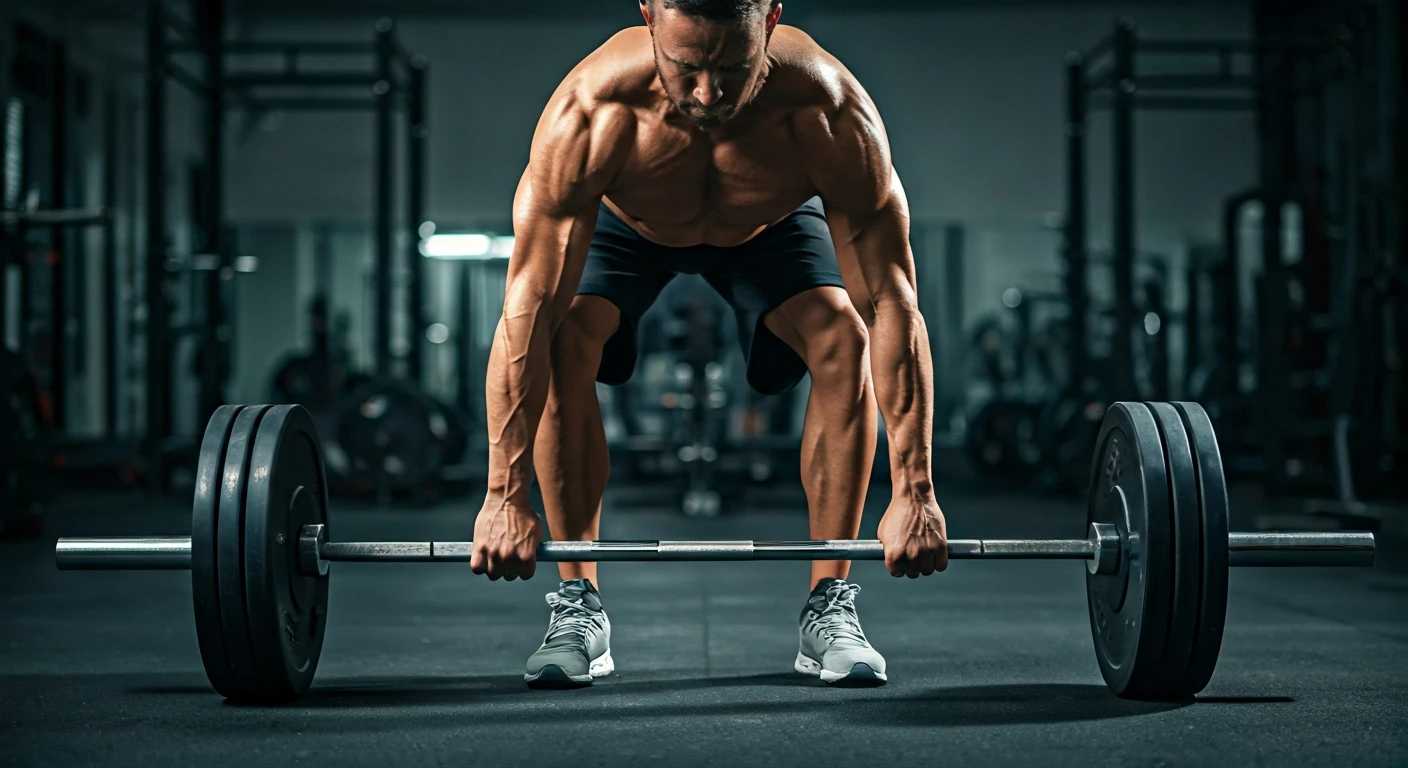





From Weight Loss to Building Strength
For years, the fitness narrative in India was dominated by a single goal: weight loss, often pursued through endless hours of cardio. The post-pandemic era, however, has triggered a significant mindset shift. An increased awareness of lifestyle diseases,
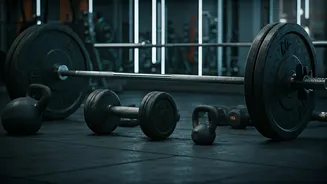
coupled with a desire for long-term health and resilience, has pushed Indians to look beyond the weighing scale. The conversation is no longer just about losing kilos, but about gaining strength, energy, and control over one's health. This new fitness philosophy is about addition—more muscle, better metabolism, and improved functional ability—rather than just subtraction.
The New Icons of Fitness
Social media has been a powerful catalyst in this revolution. Fitness influencers on platforms like Instagram and YouTube have democratized fitness, making it accessible and aspirational for millions. They have shifted the public perception of fitness from something reserved for elite athletes to a lifestyle achievable by anyone. By sharing their own strength journeys, workout routines, and nutritional advice, influencers have demystified weightlifting and built supportive communities. This digital wave, along with government initiatives like the Fit India Movement, has embedded fitness into the national consciousness, inspiring people to move from sedentary lifestyles to active ones.
More Than Just Muscle
The benefits of strength training extend far beyond aesthetics. Research shows it is a powerful tool for improving overall healthspan. It enhances bone density, which is crucial for an ageing population and particularly for women, who are more susceptible to osteoporosis. Regular resistance training improves insulin sensitivity, helping manage blood sugar levels, and lowers the risk of cardiovascular disease. Furthermore, it has a profound impact on mental well-being, reducing symptoms of depression and anxiety while boosting self-esteem. Just 30-60 minutes of muscle-strengthening activity per week has been linked to a 10-17% reduction in all-cause mortality.
A Revolution for Everyone
Perhaps the most significant aspect of this trend is its inclusivity. Strength training is no longer a male-dominated domain. A growing number of women are embracing weightlifting, challenging outdated myths about getting "bulky" and discovering the empowering feeling of being strong. While societal barriers and safety concerns still exist, the narrative is changing. The trend is also catching on with older adults, with many people over 50 picking up weights to improve balance, counter age-related muscle and bone loss, and maintain their independence. Fitness experts note that this 'active ageing' demographic is a significant and growing part of the fitness market.
The Business of Brawn
This cultural shift is fueling a booming fitness economy. India's fitness market is projected to more than double by 2030, growing from ₹16,200 crore in 2024 to ₹37,700 crore. This growth isn't just in traditional gyms but also in boutique studios offering specialized formats like HIIT and Pilates, which are seeing rapid expansion. The growth is most pronounced in Tier-2 and Tier-3 cities, where a new generation of fitness enthusiasts is emerging. This expansion extends to allied sectors like activewear, nutrition supplements, and digital fitness platforms, creating a comprehensive wellness ecosystem.