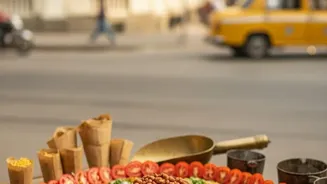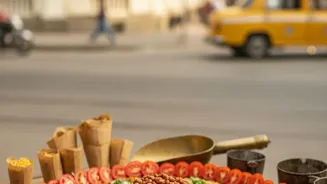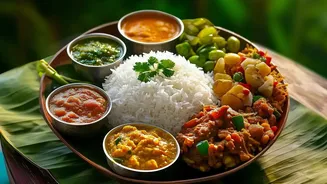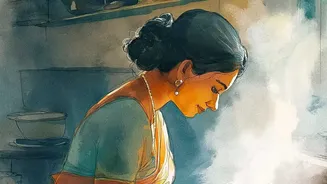

For decades, 'Indian food' in cities often meant a familiar menu of butter chicken and naan. Now, a culinary revival is underway as diners and chefs alike champion the rich diversity of India’s authentic regional and hyperlocal cuisines.
Beyond the Familiar Favorites
The Indian restaurant
landscape is experiencing a significant transformation. For years, urban dining was dominated by a handful of North Indian, often Punjabi, dishes that became synonymous with Indian food globally. While beloved, this limited menu is giving way to a much richer and more diverse offering. Today, a cultural realignment is taking place, with diners showing a growing curiosity for foods that tell a clearer story. This shift is moving lesser-known culinary traditions from the country's coasts, hills, and plains into the spotlight, proving that there is a vast food landscape beyond the usual biryani and kebabs. This is not merely a trend but a celebration of heritage, diversity, and culinary honesty that is reshaping how India eats out.
A Taste of Nostalgia and Pride
Several factors are fueling this delicious revolution. For many, it's about connecting with their roots. Younger generations are increasingly curious about their family traditions, creating a demand for authentic dishes that carry a sense of history and cultural pride. A meal of Chettinad chicken, Bihari litti chokha, or Bengali kosha mangsho is no longer just food; it's a cherished cultural memory. This desire for authenticity is also powered by the rise of social media and food travel shows, which have elevated local cuisines into the mainstream conversation. Diners no longer just want a tasty dish; they want the story behind it—where the spices come from, who perfected the cooking technique, and its historical significance.
The Chef as Culinary Archivist
Chefs are at the forefront of this movement, acting as culinary archivists to preserve India's gastronomic heritage. Many are travelling to villages, consulting with elders, and documenting disappearing recipes that were never written down. The mission is not just to copy old recipes but to understand their foundations—the ingredients, the methods, and the cultural context—before giving them a place on a modern menu. This involves reviving dishes like the original slow-cooked Pindi Chole, older techniques for Patra ni Machhi, and tribal recipes using mahua flowers. These efforts ensure that the depth and complexity of India's culinary traditions are both preserved and presented in a way that appeals to today's diners.
From Every Corner of the Country
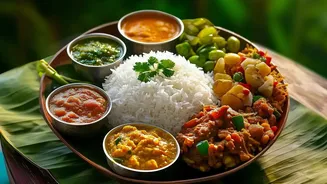
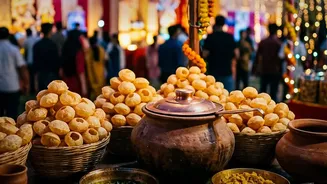
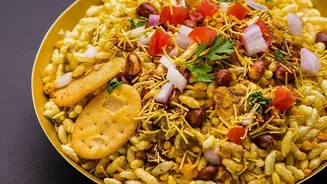
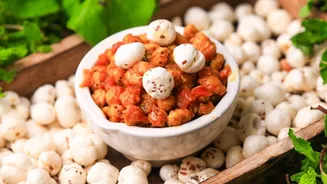
The result is an explosion of flavour on urban menus. Cuisines once confined to their home states are now finding eager audiences in major cities. Restaurants specializing in the distinct foods of Nagaland, with its smoked meats, or Kerala, with its coconut-rich curries, are gaining popularity. Diners are exploring the fiery vindaloo of Goa, the grain-rich thalis of the Himalayas, and the delicate preparations from states like Uttarakhand. This allows people to experience the pleasure of travel without leaving their city, tasting the sour notes of the Northeast or the mustard-forward dishes of Bengal. This embrace of regional variety offers something new for every palate and builds a deeper appreciation for the true diversity of Indian food.